
Attention-Based Design: Reclaiming Focus at B2B Events
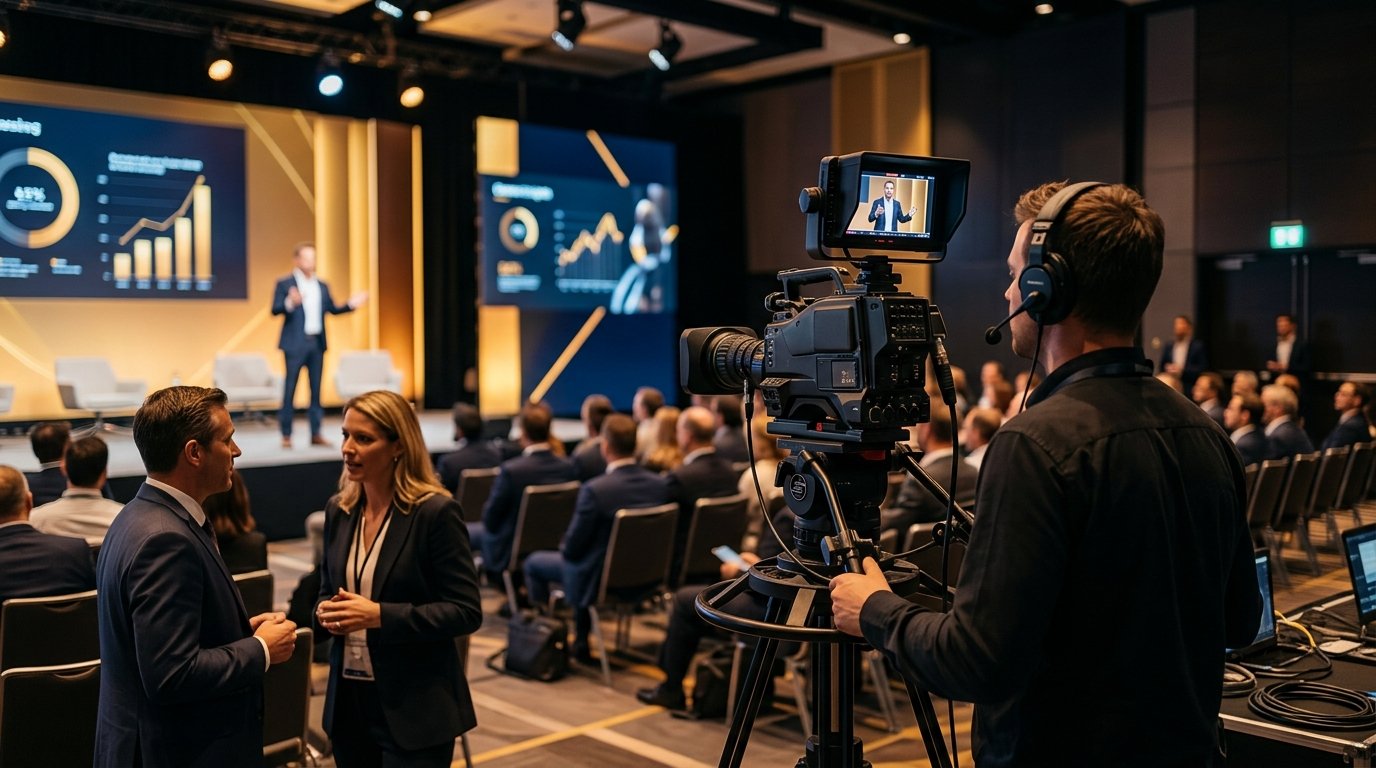
Attention-Based Design: Reclaiming Focus at B2B Events
Stop demanding attention and start earning it. A deep dive into the shift from passive attendance to active engagement in corporate production through the lens of cognitive psychology and cinematic excellence.
What is Attention-Based Design and why is it redefining B2B events?
In a room of 100 attendees, 84 are likely checking their phones right now. This is not a failure of the audience; it is a failure of design. If attention is the new currency of the event industry, most corporate summits are currently operating in bankruptcy. The Exclusive Collection recently launched a definitive insight paper at IMEX Frankfurt, developed alongside productivity expert Alexander Bell, which confirms what premium producers have felt for years: the traditional event format is fundamentally broken. We have entered the era of 'Attention-Based Design,' a framework that acknowledges attention is no longer guaranteed—it must be earned through every frame, every sequence, and every interaction. For the modern corporate decision-maker, this research is a wake-up call. The average employee now spends nearly a quarter of their working week in meetings, with 13.6 sessions per week on average. Yet, 35% of these are considered entirely unproductive. When you scale this to a major conference in London or New York, the cost of distraction becomes astronomical. The shift toward Attention-Based Design requires a total overhaul of how we view the attendee's cognitive load. It is no longer enough to simply secure 'presence' in a seat.
According to recent Industry discussion on Attention-Based Design, the industry must pivot toward creating environments that help people focus, think, and connect in ways that digital notifications cannot disrupt. This isn't about adding more 'flash' or superficial spectacle; it's about the surgical application of sensory and narrative tools to anchor the human mind to the brand story. At Alesia RSVP, we view our role as the architects of this focus. We understand that the human brain is wired to respond to movement, contrast, and narrative progression. By applying these biological imperatives to event production, we ensure that the visual narrative of the event is compelling enough to win the war against the smartphone. This means moving away from the 'one-size-fits-all' plenary session and toward a more modular, visually stimulating experience that respects the attendee's time and mental energy. The goal is to create a 'flow state' for the audience, where the transition between speakers, the quality of the lighting, and the clarity of the visual content all work in harmony to maintain a singular focus.
How can premium video content combat the 'second-screening' epidemic?
The 'second-screening' epidemic is the primary threat to event ROI. When an attendee looks down at their phone, they aren't just checking an email; they are exiting your brand ecosystem. Combatting this requires a cinematic approach to event production that mimics high-stakes broadcast quality rather than static corporate presentations. If your stage visuals are flat and your lighting is utilitarian, the phone screen will always be more vibrant and interesting than the speaker. Premium video content acts as a cognitive anchor. By integrating multi-camera live streaming and real-time visual storytelling, you create a sense of 'fear of missing out' (FOMO) even for those inside the room. The visual energy of the production must match the stakes of the content. This is where many event planners fail—they treat AV as a technical necessity rather than a psychological tool.
When the production quality is elevated to a cinematic level, the attendee's brain categorizes the experience as 'high value,' which naturally triggers higher levels of focus and retention. You can see this in action across our global events portfolio, where the focus is on creating a visual tempo that keeps the audience anticipating the next moment. This strategy is highlighted in the Latest Event Trends on BizBash, which emphasizes that the physical environment must be supported by digital visual excellence to maintain a singular focus. To effectively combat second-screening, we utilize high-definition LED backdrops, dynamic motion graphics, and real-time social feeds that are curated to enhance, not distract from, the main stage narrative. The key is to provide a visual experience that is more rewarding than the digital distractions in their pocket. This involves a deep understanding of pacing—knowing when to use high-energy visual transitions and when to allow for quiet, focused moments of reflection. By controlling the visual rhythm of the room, we control the attention of the audience.
How do you design event experiences that earn rather than demand attention?
Designing for attention starts with a rejection of the 'demand' model. You cannot demand that an executive stays off Slack; you must make the stage more interesting than the notification. This involves a strategic blend of physical logistics and visual production. Attention-Based Design suggests that we must respect the fragility of focus. This means shorter, high-impact sessions supported by world-class visual documentation. The goal is to create 'peak moments' that are so visually and intellectually arresting that the attendee is compelled to engage. This approach transforms the event from a passive information dump into an active narrative journey. At Alesia RSVP, we bridge the gap between 'being present' and 'being engaged.' By applying the principles of Attention-Based Design to our premium cinematography and photography, we create high-impact visual assets that cut through digital noise and anchor attendee focus on the brand experience.
Our teams in cities like Dubai and Singapore are trained to identify these peak moments and amplify them through professional lenses, ensuring the live experience is matched by a digital legacy of equal weight. Designing for attention also means considering the 'negative space' of an event—the breaks, the transitions, and the networking. These moments should not be visual dead zones. Instead, they should be supported by ambient visual content that reinforces the theme of the summit without requiring intense cognitive effort. The bridge between a successful event and a forgotten one is the quality of the content captured during these moments of peak attention. If you aren't capturing the energy of the room with magazine-quality editorial precision, you are wasting the most valuable currency you have: your audience's focus. We utilize advanced camera techniques, such as shallow depth-of-field and cinematic framing, to make the corporate environment feel as prestigious as a high-end film set. This elevation of the aesthetic environment directly correlates with how seriously the audience takes the message being delivered.
Why is cinematic storytelling the ultimate tool for post-event engagement?
The battle for attention does not end when the closing keynote concludes. In fact, the post-event phase is where the most significant brand loyalty is built or lost. This is where cinematic storytelling becomes the ultimate weapon. A standard recap video is a commodity; a cinematic aftermovie is a strategic asset. By repurposing the event into a series of high-quality visual narratives—documentary-style shorts, executive highlights, and podcast segments—you extend the lifecycle of that hard-earned attention for months. When an attendee sees themselves or their peers captured in a high-end, editorial style, it validates their decision to attend and reinforces the brand's prestige. This is why our photo and video gallery focuses on the human element of the corporate summit. We capture the focus, the handshake, and the moment of realization.
These images and videos become the building blocks of a post-event content strategy that continues to 'earn' attention long after the physical venue has been cleared. In the era of Attention-Based Design, the visual record of the event is just as important as the event itself. It is the proof of engagement. For marketing directors and VPs of Events, the move toward professional-grade production is not an aesthetic choice; it is a strategic mandate to ensure that the massive investment in a physical summit translates into measurable, long-term brand equity and audience focus. Alesia RSVP provides that premium finish, ensuring that your event is not just attended, but truly seen. By treating the post-event content as a standalone production, we allow the brand to reach those who couldn't attend while reinforcing the message for those who did. This multi-channel approach ensures that the 'attention' earned during the live event is converted into 'retention' in the following weeks. The final output is not just a video file; it is a library of high-value assets that can be used across social media, internal communications, and future marketing campaigns, providing a continuous return on the initial attention investment.
FAQ
How does high-quality visual content improve attendee focus?
High-quality visual content acts as a cognitive anchor by providing a more stimulating environment than a smartphone screen. Cinematic production values, dynamic lighting, and professional multi-camera feeds signal to the brain that the content is 'high value.' This triggers the release of dopamine and norepinephrine, neurotransmitters associated with focus and alertness, which reduces the likelihood of 'second-screening' and increases information retention.
What are the best ways to integrate Attention-Based Design into a corporate summit?
Integration starts with the schedule: replace long, monolithic sessions with shorter, high-impact 'sprints.' Visually, use high-contrast lighting and premium video backdrops to direct focus toward the stage. Finally, ensure that the event is documented with editorial precision; when attendees know the event is being captured at a high level, they perceive the experience as more significant and are more likely to remain engaged.
How does cinematic production impact the ROI of a B2B event?
ROI is measured not just in attendance, but in brand sentiment and message retention. Cinematic production elevates the brand's perceived authority and ensures that the core messages are delivered in a format that is memorable. Furthermore, the high-quality assets produced (videos, photos, highlights) serve as long-term marketing collateral, extending the value of the event far beyond the physical dates.
Why is the 'second-screening' epidemic so damaging to B2B brands?
Second-screening represents a total break in the brand experience. When an attendee engages with their phone, they are no longer absorbing your narrative or networking with your community. This fragmentation of attention makes it nearly impossible to achieve deep engagement or drive specific calls to action, effectively wasting the high cost-per-attendee associated with physical events.
Can Attention-Based Design be applied to smaller, boutique corporate events?
Absolutely. In fact, smaller events often benefit more from these principles because the environment is more controlled. In a boutique setting, the quality of every visual element—from the lighting of a boardroom to the style of the photography—is magnified. Applying Attention-Based Design ensures that these intimate gatherings feel exclusive and high-stakes, rather than just another routine meeting.
Questions Fréquentes
How does high-quality visual content improve attendee focus?
High-quality visual content acts as a cognitive anchor by providing a more stimulating environment than a smartphone screen. Cinematic production values, dynamic lighting, and professional multi-camera feeds signal to the brain that the content is 'high value.' This triggers the release of dopamine and norepinephrine, neurotransmitters associated with focus and alertness, which reduces the likelihood of 'second-screening' and increases information retention.
What are the best ways to integrate Attention-Based Design into a corporate summit?
Integration starts with the schedule: replace long, monolithic sessions with shorter, high-impact 'sprints.' Visually, use high-contrast lighting and premium video backdrops to direct focus toward the stage. Finally, ensure that the event is documented with editorial precision; when attendees know the event is being captured at a high level, they perceive the experience as more significant and are more likely to remain engaged.
How does cinematic production impact the ROI of a B2B event?
ROI is measured not just in attendance, but in brand sentiment and message retention. Cinematic production elevates the brand's perceived authority and ensures that the core messages are delivered in a format that is memorable. Furthermore, the high-quality assets produced (videos, photos, highlights) serve as long-term marketing collateral, extending the value of the event far beyond the physical dates.
Why is the 'second-screening' epidemic so damaging to B2B brands?
Second-screening represents a total break in the brand experience. When an attendee engages with their phone, they are no longer absorbing your narrative or networking with your community. This fragmentation of attention makes it nearly impossible to achieve deep engagement or drive specific calls to action, effectively wasting the high cost-per-attendee associated with physical events.
Can Attention-Based Design be applied to smaller, boutique corporate events?
Absolutely. In fact, smaller events often benefit more from these principles because the environment is more controlled. In a boutique setting, the quality of every visual element—from the lighting of a boardroom to the style of the photography—is magnified. Applying Attention-Based Design ensures that these intimate gatherings feel exclusive and high-stakes, rather than just another routine meeting.