
Closing the Gender Gap in Corporate Event Leadership
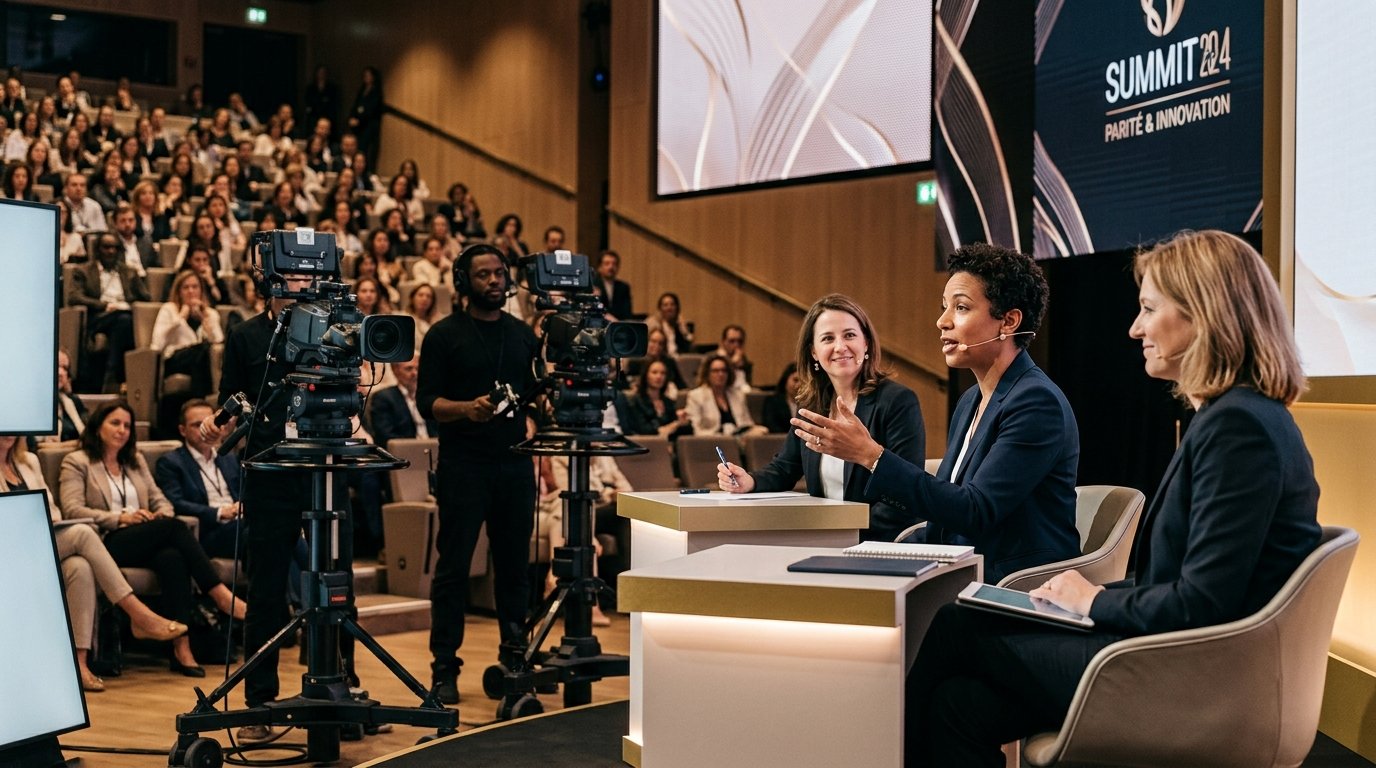
Closing the Gender Gap in Corporate Event Leadership
The statistics within the global events industry reveal a profound structural irony. While women constitute a staggering 77% of the total workforce—effectively serving as the operational engine for the world’s most complex conferences and summits—they occupy a mere 16% of senior leadership and board-level positions. This discrepancy is not merely a matter of human resources; it is a crisis of visibility and perceived authority. In the high-stakes world of B2B corporate events, the 'face' of leadership has historically been skewed, often overlooking the strategic architects who design these experiences. To bridge this gap, we must look beyond traditional recruitment and focus on how leadership is documented, broadcasted, and archived. High-end visual storytelling is no longer a luxury; it is a critical tool for correcting the historical record and ensuring that the real drivers of industry innovation are seen, heard, and recognized as the authorities they are.
Why is there a gender leadership gap in the global events industry?
The events industry presents a striking paradox that demands a deeper sociological and economic analysis. While women constitute a massive 77% of the workforce—the literal engine of global conference production—they occupy a mere 16% of senior leadership positions. This isn't just a pipeline problem; it's a visibility problem rooted in the historical classification of event labor. For decades, the 'event planner' stereotype has been relegated to the realms of logistics, hospitality, and 'soft' coordination—roles predominantly filled by women and often undervalued in the corporate hierarchy. Conversely, the 'event strategist,' 'agency founder,' or 'technical director' roles, which command higher fees and more industry influence, have remained a male-dominated enclave. This structural imbalance is exactly what initiatives like 'The 70%' by Conference News aim to dismantle by profiling leaders like Vicky Gardner. In the context of an Industry Discussion on Female Leadership, it becomes clear that the gap persists because the industry often fails to recognize the strategic value of the work being done behind the scenes.
Furthermore, the 'glass ceiling' in events is often reinforced by the lack of female representation in the financial and technical decision-making tiers of major agencies. When the majority of the workforce is female but the majority of the profit-sharing partners are male, the internal culture of the industry begins to reflect a dated corporate model. To move the needle, we must stop treating event management as a secondary support function or a branch of the service industry and start recognizing it as a primary driver of corporate growth and brand equity. This shift requires a fundamental re-evaluation of how we credit success. When a major summit succeeds, the credit must extend beyond the person on the podium to the female strategists who engineered the content, the flow, and the ROI. Without a conscious effort to highlight these contributions, the 16% statistic will remain stagnant, depriving the industry of the diverse perspectives necessary for true innovation in the experience economy.
How can premium event photography empower female leaders in B2B?
Visual authority is a currency in the B2B sector, and like any currency, it is often distributed unequally. When we look at the media galleries of major summits, the default 'hero shot' is often a male keynote speaker bathed in blue stage light, captured from a low angle to emphasize power. To change the leadership narrative, we must change the visual record. Premium event photography does more than document an appearance; it constructs a persona of expertise. High-end, magazine-quality portraits and action shots from a conference in London provide female executives with the visual assets necessary to anchor their personal brands in a competitive marketplace. It is about moving away from the 'candid snapshot'—which can often feel informal or accidental—and toward intentional, editorial-grade documentation that demands respect.
When a female leader is captured with the same cinematic lighting, sharp focus, and thoughtful composition typically reserved for male CEOs, the subconscious bias of the viewer is challenged. Professional photographers who understand the nuances of corporate branding know how to use depth of field and environmental framing to isolate a subject, making them the undeniable focal point of the narrative. This is particularly crucial for women who are often balancing multiple roles; having a portfolio of high-resolution images that showcase them in positions of command—whether leading a board meeting, speaking to a packed auditorium, or navigating a high-level networking session—is essential for career progression. This is not about vanity; it is about ensuring that the visual evidence of leadership matches the reality of the talent on stage. In an era where LinkedIn and digital portfolios serve as the first point of contact for recruiters and board members, these visual assets become the bridge between being an 'event professional' and being recognized as a 'global industry leader.' By investing in premium photography, organizations are not just capturing an event; they are investing in the long-term authority of their female talent.
What role does visual storytelling play in shifting industry representation?
Beyond the still image, the narrative of leadership is built through multi-dimensional storytelling that spans video, audio, and digital content. In the current B2B market, if a contribution isn't captured on video or audio, its impact is ephemeral, lasting only as long as the session itself. Professional aftermovies and on-site podcasting offer a platform for female leaders to articulate their vision long after the stage lights go down. According to the Latest Trends in Event Representation, diversity in content isn't just a moral imperative—it's a business one. Audiences, sponsors, and potential hires are increasingly scrutinizing the demographic makeup of event highlights. If your recap video only features one demographic in positions of power, you are signaling a lack of innovation and a resistance to modern market realities to your stakeholders.
Visual storytelling allows for the creation of 'micro-content'—short, punchy clips of a female leader delivering a key insight or solving a complex problem. These clips are the building blocks of modern influence. When a production team is briefed to seek out these stories, they begin to look for the '70%' who are often doing the heavy lifting. This involves interviewing female technical directors, lead strategists, and creative heads, giving them the same high-production-value treatment as the headline speakers. This approach creates a more accurate and inclusive historical record of the event. Furthermore, by distributing this content across social channels, event organizers can actively combat the 'manel' (all-male panel) reputation that still plagues many industry sectors. Professional production teams have a responsibility to be intentional curators of these narratives, ensuring that the women who power the industry are not just working the event, but are the visible faces of the event's success. This intentionality in storytelling shifts the focus from 'who was there' to 'who led the conversation,' providing a roadmap for the next generation of female leaders to follow.
How are major summits like EthCC and SXSW highlighting female talent?
We see this shift occurring at major global gatherings where the focus is moving toward meritocratic visibility and technical excellence. At EthCC, the focus is increasingly on highlighting the technical and strategic contributions of women in the Web3 and broader tech space—a sector that has historically struggled with gender balance. By ensuring these speakers receive the same level of AV production—crisp audio, dynamic multi-camera angles, and high-resolution photography—organizers validate their expertise in a way that words alone cannot. This approach is mirrored across our entire events portfolio. Whether it is a fintech summit in Singapore, a sustainability forum in Paris, or a corporate retreat in New York, the quality of the media produced must reflect the caliber of the talent on stage.
At these high-level summits, the production value acts as a silent endorsement. When a female developer or strategist is filmed using 4K cinema cameras and professional lighting rigs, the medium itself communicates that her message is of the highest importance. As a premium visual agency, Alesia RSVP bridges the visibility gap by providing high-end documentation that elevates female leaders, ensuring their presence at global summits is captured with the prestige and authority it deserves. We recognize that our lenses do more than capture light; they shape industry perceptions and influence future hiring and speaking invitations. Our commitment to high-end production values ensures that every leader we film or photograph is presented with the prestige their role demands. This involves a collaborative process where we work with organizers to identify key female voices early in the planning stages, ensuring they are positioned in the 'hero' segments of the event's visual output. By doing so, we help create a self-fulfilling prophecy of leadership: by depicting women as the industry's foremost authorities today, we ensure they are the ones leading it tomorrow. The goal is to make the 16% statistic a relic of the past, replaced by a leadership landscape that finally reflects the 77% of talent that makes the industry possible.
FAQ
How does professional event coverage improve brand authority for women in leadership?
Professional coverage uses editorial-grade photography and cinematic video to frame female leaders as authoritative figures. By providing high-quality visual assets, event organizers help these leaders build a consistent and powerful personal brand that resonates in the B2B space. High-end production values—such as professional lighting, crisp audio, and intentional framing—signal to the audience and the wider industry that the individual is a top-tier expert, which is essential for securing board seats and keynote invitations.
Why is visual representation crucial for gender equity in the B2B event space?
Visual representation challenges the 'leadership' stereotype by documenting the actual diversity of expertise at an event. When female leaders are prominently featured in conference media, it normalizes their presence in high-stakes roles and encourages more balanced representation in future programming. It also provides a visual roadmap for younger women in the industry, proving that leadership roles are attainable and visible, thereby helping to close the 16% leadership gap over time.
How can event organizers better showcase female speakers through media?
Organizers should instruct their AV and media teams to prioritize diverse 'hero shots' and ensure female speakers are featured prominently in highlight reels, social media snippets, and press releases. This includes ensuring they have the same stage production quality as male counterparts. Providing speakers with professional-grade photos and video clips for their own use also extends the reach of their expertise, allowing them to leverage the event's prestige to build their own professional authority long after the event concludes.
Questions Fréquentes
How does professional event coverage improve brand authority for women in leadership?
Professional coverage uses editorial-grade photography and cinematic video to frame female leaders as authoritative figures. By providing high-quality visual assets, event organizers help these leaders build a consistent and powerful personal brand that resonates in the B2B space. High-end production values—such as professional lighting, crisp audio, and intentional framing—signal to the audience and the wider industry that the individual is a top-tier expert, which is essential for securing board seats and keynote invitations.
Why is visual representation crucial for gender equity in the B2B event space?
Visual representation challenges the 'leadership' stereotype by documenting the actual diversity of expertise at an event. When female leaders are prominently featured in conference media, it normalizes their presence in high-stakes roles and encourages more balanced representation in future programming. It also provides a visual roadmap for younger women in the industry, proving that leadership roles are attainable and visible, thereby helping to close the 16% leadership gap over time.
How can event organizers better showcase female speakers through media?
Organizers should instruct their AV and media teams to prioritize diverse 'hero shots' and ensure female speakers are featured prominently in highlight reels, social media snippets, and press releases. This includes ensuring they have the same stage production quality as male counterparts. Providing speakers with professional-grade photos and video clips for their own use also extends the reach of their expertise, allowing them to leverage the event's prestige to build their own professional authority long after the event concludes.