
Humanity Protocol Hack: Rebuilding Web3 Brand Trust
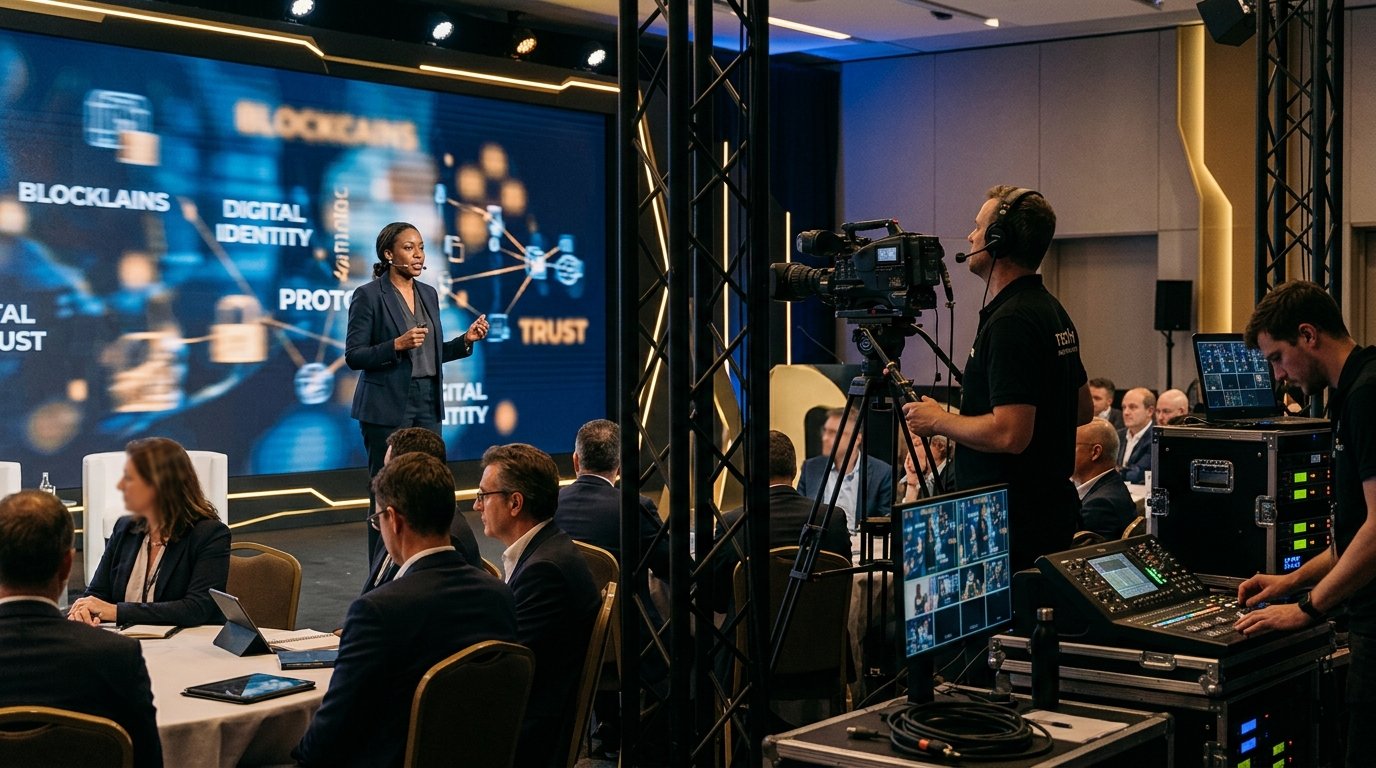
Humanity Protocol Hack: Rebuilding Web3 Brand Trust
When digital security fails, physical presence becomes the primary currency of trust for Web3 and corporate brands.
How does the Humanity Protocol hack impact brand reputation at major Web3 events?
When a $32 million hack sends a leading identity protocol into a tailspin, it's a stark reminder that in the volatile world of Web3, the only thing more valuable than your private keys is the authentic trust you build in person. The Humanity Protocol breach, resulting in a staggering 80% token price crash, isn't just a technical failure; it is a catastrophic blow to the project's brand equity. For a protocol built on the promise of 'Proof of Humanity' via palm-scanning, losing control of the very private keys meant to secure the foundation is a profound irony. This failure echoes a broader trend in 2026 where attackers have shifted their focus from complex code exploits to the simple theft of private keys. For corporate decision-makers and marketing leads, this creates a massive reputational hurdle. If your project is sponsoring a major booth or hosting a side event, you cannot simply hide behind a social media statement. The market demands a human response.
Events like EthCC and Consensus are no longer just about networking; they are about survival. When a hack occurs, the optics of your physical presence matter more than your digital whitepaper. Industry analysts tracking Industry reactions to the Humanity Protocol breach note that the projects that survive these incidents are those that maintain a visible, transparent presence in the real world. A protocol that disappears from the conference circuit after a breach is often perceived as a project in exit-scam mode. Conversely, a team that stands on stage, addresses the failure, and outlines a recovery plan in front of a live audience starts the process of rebuilding trust immediately. This is where the intersection of event management and crisis communication becomes a brand's strongest asset.
Security breaches create a vacuum of information that is quickly filled by speculation and fear. In the case of Humanity Protocol, the thief dumping 100 million H tokens on the BNB Chain created a visible, on-chain panic. To counter this, a brand must provide a visible, human counter-narrative. The physical event space provides the only environment where non-verbal cues and direct executive engagement can mitigate the cold reality of a price chart. Marketing directors must pivot their event strategy from mere lead generation to active reputation management. This involves high-level panels, town hall-style Q&A sessions, and direct engagement with the developer community. The goal is to prove that while the keys were compromised, the team and the vision remain intact. The physical presence of a founder at a summit is a signal of confidence that no digital verification can match.
Why is professional event documentation essential for rebuilding trust after a security breach?
Rebuilding trust after a $32 million exploit requires more than just a blog post; it requires a documented record of accountability. This is where professional event documentation—photography, video, and live streaming—transitions from a marketing luxury to a strategic necessity. When a protocol faces a crisis, the content captured at global summits serves as a visual testament to the project's continued operation. High-quality video production allows a brand to control the narrative by capturing executive responses, expert endorsements, and the sheer scale of their community support. This content is then distributed to stakeholders who couldn't attend, providing a sense of stability and permanence during a period of extreme volatility.
At Alesia RSVP, we have seen how professional visual coverage transforms the perception of a brand under fire. By documenting a founder’s keynote or a technical deep-dive at a major summit, we provide the 'proof of work' that investors need to see. For a project like Humanity Protocol, which is currently urging users to avoid its bridge and liquidity pools, the visual evidence of a team working alongside security firms and exchange partners is a powerful recovery tool. This isn't about creating a glossy ad; it's about editorial-grade documentation that shows the grit and determination of a project in recovery. Magazine-quality photography of a packed room at an event in Dubai or London sends a clear message: the community is still here, and the project is moving forward.
Furthermore, professional live streaming is a high-impact tool for transparency. Hosting a global town hall from a secure conference venue allows the team to speak directly to their token holders without the filter of anonymous social media platforms. This level of broadcast-quality communication demonstrates a level of professionalism that 'hacked' protocols often lack. As noted in recent Trends in event security and tech reputation, the ability to maintain a high production standard during a crisis is often correlated with long-term brand resilience. When you invest in premium AV production, you are signaling to the market that your project has the resources and the intent to stay the course. This visual authority is a key differentiator in a market where trust is the most scarce commodity.
How can Web3 companies utilize 'Proof of Presence' at summits like EthCC or Consensus?
The concept of 'Proof of Presence' is becoming the new gold standard for Web3 credibility. While digital protocols face inherent vulnerabilities, the physical presence and real-world networking at elite global summits like EthCC or Consensus provide a layer of trust that cannot be hacked. For a project reeling from a private-key compromise, these events offer a unique opportunity to perform 'human-centric' branding. It is one thing to read a tweet about a security patch; it is quite another to sit across from a lead developer and discuss the new multi-sig architecture. This face-to-face interaction is the only way to bridge the trust gap created by a $32 million theft.
Utilizing 'Proof of Presence' means maximizing every square inch of your event activation. It is not enough to just show up; you must document the experience so that it resonates far beyond the venue walls. This includes on-site podcasting where executives can dive deep into the lessons learned from the hack, and short-form video content that highlights the strength of the project's ecosystem. By capturing the authentic interactions between founders, developers, and users, a brand creates a library of 'human' evidence that counters the negative narrative of a token crash. This content becomes a shield against FUD (Fear, Uncertainty, Doubt) by providing tangible proof of a living, breathing project.
Alesia RSVP specializes in this specific intersection of event management and visual storytelling. We help brands bridge the trust gap by documenting their most secure and impactful real-world interactions. Whether it's a high-stakes meeting at the World Economic Forum in Davos or a technical workshop at ETHDenver, our team ensures that your brand’s recovery is documented with the precision and authority required to restore market confidence.
Questions Fréquentes
Pourquoi la présence physique est-elle cruciale après un hack Web3 ?
Elle permet de sortir de l'anonymat du numérique pour offrir un visage humain à la gestion de crise, prouvant que l'équipe est toujours active et engagée malgré les pertes financières.
Qu'est-ce que la 'Proof of Presence' dans l'événementiel ?
C'est l'idée que la présence vérifiable et documentée de dirigeants et de développeurs lors d'événements majeurs constitue une preuve de fiabilité supérieure aux promesses numériques.
Quel rôle joue la documentation vidéo en période de crise ?
Elle permet de contrôler le narratif, de montrer la transparence des dirigeants et de rassurer les investisseurs qui ne peuvent pas assister aux événements en personne.