
B2B Event Legacy: Inside jwc’s New DDM Framework
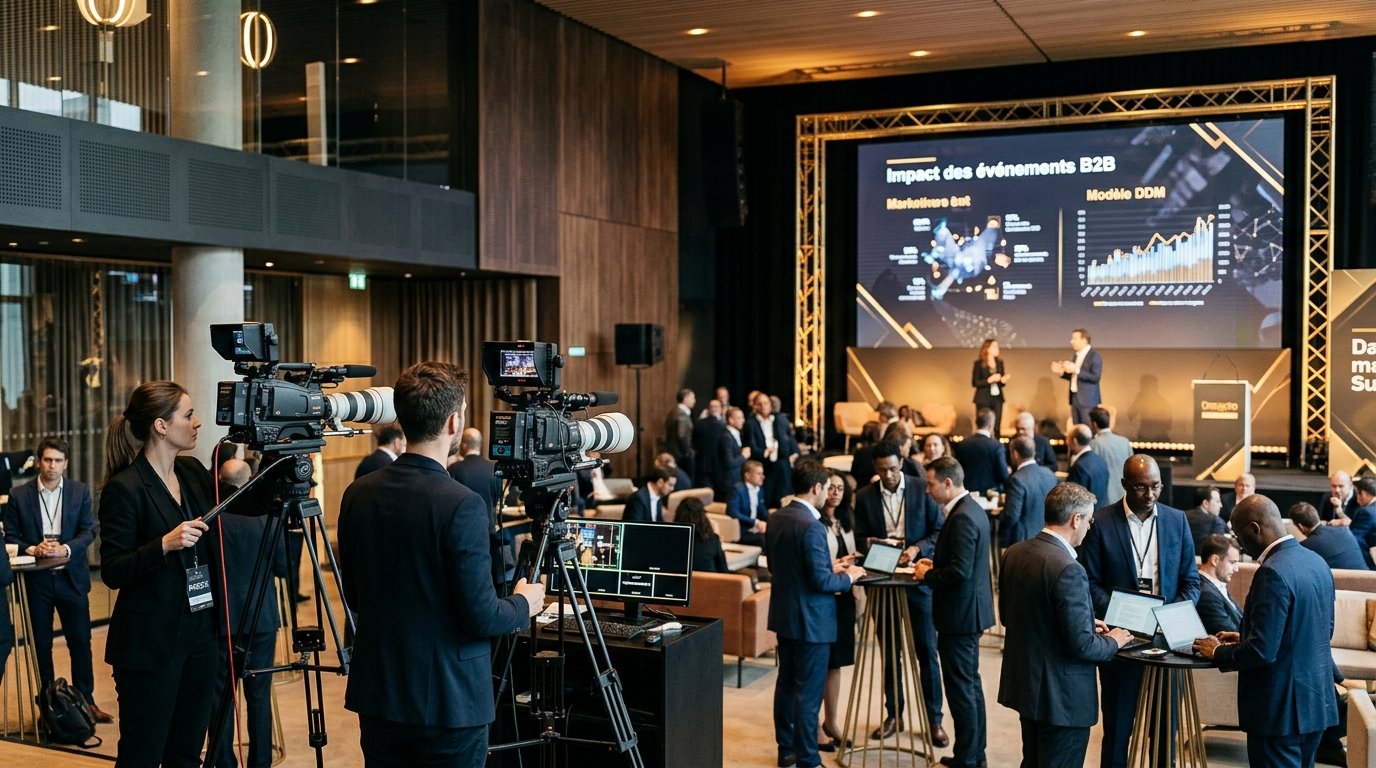
B2B Event Legacy: Inside jwc’s New DDM Framework
An analysis of jwc’s Destination Development Model (DDM) and its transformative impact on corporate event production and regional development strategy.
How Do You Measure the Long-Term Impact of a Business Event on a City?
For decades, the success of a congress or trade show was measured by purely transactional data: hotel room nights, average delegate spend, and direct economic fallout for local businesses. While this approach provides comfort to accountants, it overlooks the modern B2B strategic reality. The true legacy of a corporate summit lies not in restaurant receipts, but in knowledge transfer, talent attraction, and positioning a city as a sector-specific center of excellence. The business events industry is facing mounting pressure from governments and municipalities demanding tangible proof of contribution to long-term development goals.
Impact analysis must now integrate intangible yet powerful variables. When a capital city hosts a Fintech or AI summit, influence is measured by the public-private partnerships forged in the corridors, the foreign direct investment triggered by a keynote, and the global media visibility offered to the local ecosystem. For CMOs and event planners, this transition demands new rigor in documentation. It is no longer just about producing an event, but about building a case for its enduring value. This approach requires exceptional production quality capable of capturing these high-value strategic moments and transforming them into lasting communication assets.
Measuring this impact requires a granular analysis of the ecosystem. A destination investing in a major event expects a return that outlives the event's dates. The challenge lies in connecting immediate event activity to public policy priorities—be it the energy transition, technological innovation, or cultural influence. This is where visual documentation becomes a strategic pillar; it is the only tool that can materialize intellectual exchange and strategic progress for decision-makers who weren't in the room.
Why the jwc DDM Model is a Game-Changer for Event Organizers
Consulting firm jwc recently introduced the Destination Development Model (DDM), an analytical framework designed to meet the demand for transparency regarding the deep impact of events. This pilot model does more than track spending; it demonstrates how business events support the economic and social development goals of a territory. For organizers, the DDM offers a common language with public authorities. Instead of justifying subsidies or logistics through visitor volume, they can now prove how their event acts as a catalyst for regional innovation. This shift is a major talking point among industry experts, as seen in this LinkedIn discussion on jwc analytical framework, signaling a turning point in how event value is perceived.
Adopting such a framework radically alters strategic planning. Organizers must now think in terms of 'legacy.' What patents will be filed following these meetings? What industrial collaborations will emerge from this forum? The jwc model forces an introspection on content relevance and audience quality. For a corporation hosting its own summit, this means event production must align with sophisticated KPIs. The quality of the capture, the choice of speakers, and the distribution of key messages become concrete evidence of the desired impact.
jwc’s DDM ends the era of the ephemeral event. By structuring analysis around pillars like human capital development and destination branding, it mandates a long-term vision. For AV production agencies, this implies moving beyond being technical vendors to becoming brand strategy partners. Every image produced and every live stream broadcast contributes to the construction of this 'proof of impact.' This is a major opportunity for brands to demonstrate their role as drivers of the real economy, far beyond their commercial activity.
The Role of Premium Visual Documentation in Event Valuation
While jwc’s analytical framework provides the theoretical structure, premium visual documentation provides the irrefutable proof. A 50-page report on the economic impact of a summit will never carry the same weight with a board of directors or a government ministry as a high-quality documentary film capturing key decision moments and thought leader testimonials. Premium audiovisual production isn't a cosmetic luxury; it is the tool for converting abstract data into tangible narratives. To see how we transform the ephemeral into strategic assets, browse our gallery of work, where every project is designed to narrate brand impact.
Within the DDM framework, editorial photography and conference video serve several critical objectives. First, they immortalize audience quality, proving that influential decision-makers were engaged. Second, they capture the substance of debates, allowing intellectual content to be repurposed long after the closing remarks. Third, they create a sense of prestige that reinforces the destination's attractiveness for future editions. Poor production quality sends a negative signal about the event's value, undermining efforts to demonstrate positive impact.
As the jwc DDM framework seeks to quantify long-term impact, Alesia RSVP provides the indispensable visual evidence. We translate abstract KPIs into premium visual stories that testify to an event's lasting influence on its ecosystem. By integrating on-site podcasting and multi-camera broadcasting, we allow brands to amplify their message, ensuring the event's legacy isn't confined to the four walls of the conference room but resonates globally.
How B2B Events Support Public Development Goals
The convergence of private and public interests is the engine of the new event economy. Cities are no longer just looking to fill hotels; they are looking to build reputations. A well-executed B2B event acts as a technological and social showcase. For instance, hosting sustainability conferences in Dubai or tech summits in Singapore directly contributes to transforming these cities' images into models of innovation. Current trends, analyzed by publications like BizBash trends in event industry development, confirm that destinations now select events based on their alignment with local industrial clusters.
In practice, this translates into mentorship initiatives, recruitment sessions integrated into trade shows, or 'start-up pitch' programs that directly benefit the local economy. For companies, aligning with this logic unlocks increased logistical and political support. However, this requires flawless event management. Our expertise in supporting our events on an international scale shows that success relies on millimetric coordination between brand expectations and destination constraints.
In conclusion, jwc’s DDM initiative marks the end of metric indifference for B2B events. Moving forward, every organizer must be able to answer: 'What footprint are we leaving behind?'. The answer is found not only in the numbers but in the quality of relationships built and the power of the content generated. For decision-makers, investing in world-class audiovisual production and event management is the only way to ensure this impact is not only real but visible and valued by all stakeholders. The future belongs to events that know how to tell the story of their own importance.
FAQ
What is the jwc Destination Development Model (DDM)?
The DDM is an analytical framework developed by consulting firm jwc to measure the long-term economic and social contributions of business events to a destination, moving beyond simple hotel and spending metrics to focus on 'legacy' and innovation.
Why is 'legacy' becoming a KPI for B2B events?
Legacy measures the lasting effects of an event, such as new partnerships, knowledge transfer, and regional branding. It is crucial for securing public support and proving the event's strategic value to stakeholders.
How does high-quality video production support the DDM model?
Premium video serves as tangible proof of the event's impact. It captures the caliber of the audience and the depth of the intellectual exchange, turning abstract data into a compelling narrative for decision-makers.
Questions Fréquentes
What is the jwc Destination Development Model (DDM)?
The DDM is an analytical framework developed by consulting firm jwc to measure the long-term economic and social contributions of business events to a destination, moving beyond simple hotel and spending metrics to focus on 'legacy' and innovation.
Why is 'legacy' becoming a KPI for B2B events?
Legacy measures the lasting effects of an event, such as new partnerships, knowledge transfer, and regional branding. It is crucial for securing public support and proving the event's strategic value to stakeholders.
How does high-quality video production support the DDM model?
Premium video serves as tangible proof of the event's impact. It captures the caliber of the audience and the depth of the intellectual exchange, turning abstract data into a compelling narrative for decision-makers.