
Restoring Web3 Trust: Event Strategy Post-Polymarket Hack
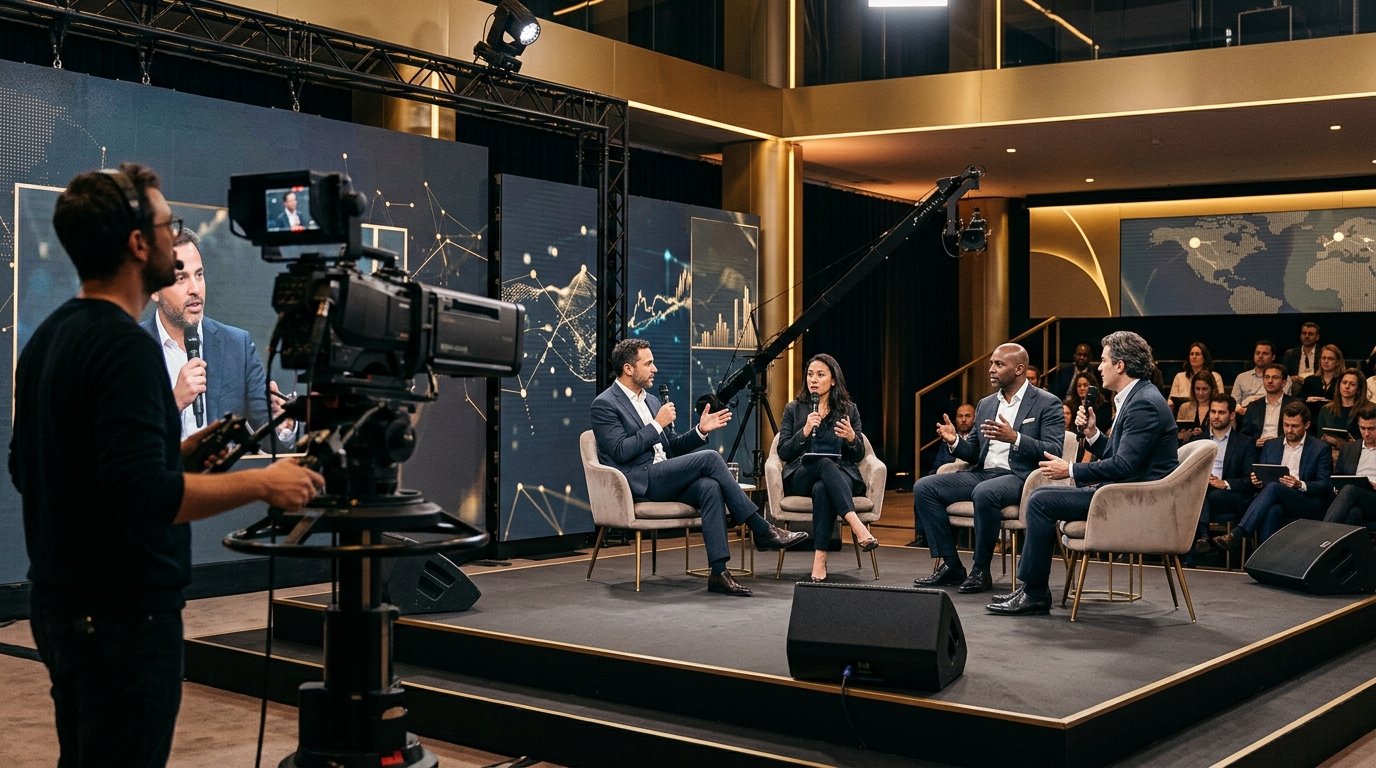
Restoring Web3 Trust: Event Strategy Post-Polymarket Hack
An in-depth analysis of the Polymarket hack's impact on brand strategy and the critical role of physical presence and high-end visual documentation in regaining investor confidence within a volatile market.
How to Rebuild Investor Confidence After a Major Security Breach?
The $3.1 million theft of PUSD tokens from Polymarket represents more than just a financial loss; it is a profound breach of the implicit trust between a decentralized platform and its users. When 11 wallets are drained via a malicious script injected into a frontend, the 'Code is Law' promise of Web3 security collapses. For CMOs and communications leads, the response cannot be limited to technical fixes or a brief X (Twitter) thread. While Polymarket's promise of full reimbursement is a necessary first step, it is insufficient to erase the stigma of an ongoing federal inquiry into misleading marketing practices. Restoring credibility now requires a physical incarnation of the brand. In an industry saturated with anonymity and digital vulnerabilities, a tangible presence at international summits has become the only resilient indicator of reliability. Institutional investors and Limited Partners (LPs) no longer settle for static code audit reports; they demand to see the faces behind the protocols, understand the actual operational structure, and witness the seriousness of the team in person. This shift toward 'Human Accountability' is redefining event strategy: events are no longer just marketing expenses for lead generation, but fundamental crisis management tools. Rigorous visual documentation of these interactions, captured with surgical precision, projects an image of stability essential for stabilizing asset prices and reassuring token holders. By showcasing engineers and decision-makers actively solving problems during panels at EthCC or private meetups, the brand proves it is a structured organization rather than a ghost entity. This approach humanizes technology, transforming a software failure into a demonstration of organizational strength where transparency becomes the primary asset for recovery.
Why Visual Authenticity is Non-Negotiable for Prediction Markets in 2026
Looking toward 2026, prediction markets like Polymarket have become undisputed barometers of global opinion, handling transaction volumes that rival traditional stock exchanges. However, their intrinsic dependence on web interfaces makes them vulnerable to increasingly sophisticated phishing attacks and DNS hijacking. The recent hack highlights a brutal reality: brand perception is now inseparable from interface integrity. To counter the image of a 'compromised' platform, companies must invest in a content strategy centered on raw, verifiable authenticity. This means capturing real, unscripted moments at major conferences. High-quality video production—including 4K executive interviews, multi-cam technical panels, and immersive behind-the-scenes reporting—acts as 'proof of life' and technical competence. Visual authenticity no longer tolerates amateurism. A low-quality stream, lag, or handheld smartphone photos signal fragility and a lack of resources that dangerously echo a security breach. Conversely, broadcast-grade AV production signals financial solidity, organizational rigor, and deep respect for the audience. For a platform under regulatory fire for misleading practices, showing the reality of operations transparently is the best antidote to accusations of manipulation. It is about transforming the digital narrative—often perceived as abstract and risky—into a documented, undeniable physical reality. The content generated at these events becomes the foundation of post-crisis communication that prioritizes factual transparency over standard marketing rhetoric. By investing in mobile studios and production teams capable of delivering premium real-time content, prediction platforms purchase reputational insurance against future technical incidents.
The Impact of Digital Crises on Web3 Event Strategy
The Polymarket incident radically redefines how Web3 companies approach their annual event calendar. Traditionally, summits were seen as product launchpads or social networking hubs. Today, they are mutating into command centers for reputation and crisis management. A major digital crisis, such as this $3.1 million hack, necessitates a reinforced and strategic on-the-ground presence to occupy the media space positively before the vacuum is filled by speculation. Industry leaders are now integrating crisis communication protocols specific to physical events. This includes organizing live 'Town Halls,' broadcast globally with minimal latency, to address user and regulator concerns in real-time. The discussion on the impact of the Polymarket hack in the industry demonstrates that silence or a purely digital response is immediately interpreted as incompetence or guilt. Consequently, event strategy must become proactive and aggressive. Companies can no longer settle for a passive booth with swag; they must produce editorialized content that actively demonstrates concrete security measures. Event security and branding trends on BizBash confirm that physical and digital security are converging toward a single goal: client reassurance. A brand that masterfully controls its environment at major gatherings like Consensus sends a powerful message of total control. For decision-makers, this implies allocating significant budgets not just to floor space logistics, but to media production capable of relaying this image of mastery far beyond the conference walls to global investors who could not attend.
Turning Crisis Management into a Branding Opportunity at Global Summits
Transforming a multi-million dollar hack into a branding opportunity may seem counterintuitive, yet it is precisely where the strength of resilient Web3 brands lies. The key to this metamorphosis is radical transparency, documented and staged by image professionals. By utilizing on-site podcast services or high-end mobile streaming studios, a company like Polymarket can invite independent cybersecurity experts to publicly dissect the incident and explain the remediations. This instantly transforms a vulnerability into thought leadership on industry security standards. Alesia RSVP acts as a strategic partner here, capturing these moments of truth with editorial quality that elevates the discourse above a simple press release. Whether producing a post-event mini-documentary on the technical resolution or providing instant press photos for financial agencies like Bloomberg or Reuters, visual reactivity is the ultimate weapon in the information war. The ability to deliver premium content on the same day allows a brand to saturate social networks and specialized media with a controlled narrative, drowning out unfounded rumors with visual facts and expert testimony. Positioning executives within sophisticated production environments reinforces their natural authority and credibility at the exact moment the market challenges them. The ultimate goal is to ensure the audience remembers not the hack itself, but the exemplary, transparent, and courageous way the brand responded. Successful crisis management then becomes a major differentiator in brand equity, proving to the world that the organization is built to last.
FAQ
How can physical events mitigate the fallout of a Web3 security hack?
Physical events provide a platform for 'Human Accountability,' allowing leadership to address concerns directly, demonstrate organizational stability, and provide transparent updates that digital channels alone cannot convey.
Why is high-end AV production critical during a corporate crisis?
Broadcast-quality production signals professionalism and financial health. In contrast, poor visual quality during a crisis can reinforce a narrative of organizational fragility and lack of resources.
What is the role of visual documentation in restoring investor trust?
Visual documentation serves as 'proof of life' and competence. Capturing technical panels and executive interviews at major summits provides verifiable evidence of an active, capable team solving complex problems.
Questions Fréquentes
How can physical events mitigate the fallout of a Web3 security hack?
Physical events provide a platform for 'Human Accountability,' allowing leadership to address concerns directly, demonstrate organizational stability, and provide transparent updates that digital channels alone cannot convey.
Why is high-end AV production critical during a corporate crisis?
Broadcast-quality production signals professionalism and financial health. In contrast, poor visual quality during a crisis can reinforce a narrative of organizational fragility and lack of resources.
What is the role of visual documentation in restoring investor trust?
Visual documentation serves as 'proof of life' and competence. Capturing technical panels and executive interviews at major summits provides verifiable evidence of an active, capable team solving complex problems.