
The AI Collective SF: AV & Video Production Guide
The AI Collective SF: AV & Video Production Guide
San Francisco hosts some of the most demanding technical gatherings globally, and capturing them requires precise execution. At The AI Collective in San Francisco, where Alesia RSVP has produced events as part of our global footprint spanning 30+ countries, video production must align with rapid developer-centric discussions. For events of this scale, securing a robust local network infrastructure is the first step to avoiding costly transmission failures. This guide outlines the exact AV and video production specifications required to deliver flawless broadcasts and high-impact post-event content in the heart of the Bay Area. Our team brings deep operational experience from 22 cities to ensure your technical keynotes are captured with absolute precision.

Bandwidth and Network Redundancy Standards in San Francisco
Achieving zero-latency streaming at San Francisco tech venues requires a minimum of 100 Mbps symmetrical dedicated bandwidth backed by a secondary cellular bonding system. Delivering a flawless live stream from San Francisco venues demands this high-speed threshold, as standard shared venue Wi-Fi fails under the load of hundreds of connected devices. At Alesia RSVP, we enforce a strict 3-2-1 backup protocol utilizing Teradek bonded cellular systems alongside physical fiber lines to guarantee 99.9% uptime. According to data from pcma.org, network congestion remains the primary cause of stream failure at 42% of technical summits. To mitigate this risk in high-interference zones like the SoMa district, our engineers deploy hardware encoders that split the signal across multiple local carriers, including Verizon and AT&T. This redundant setup ensures that even if the venue's primary ISP drops, the broadcast switches instantly without dropping a single frame. This level of technical insurance is what clients like OKX and EY expect when staging high-stakes technical keynotes.
Multi-Camera Capture and Lighting for Technical Panels
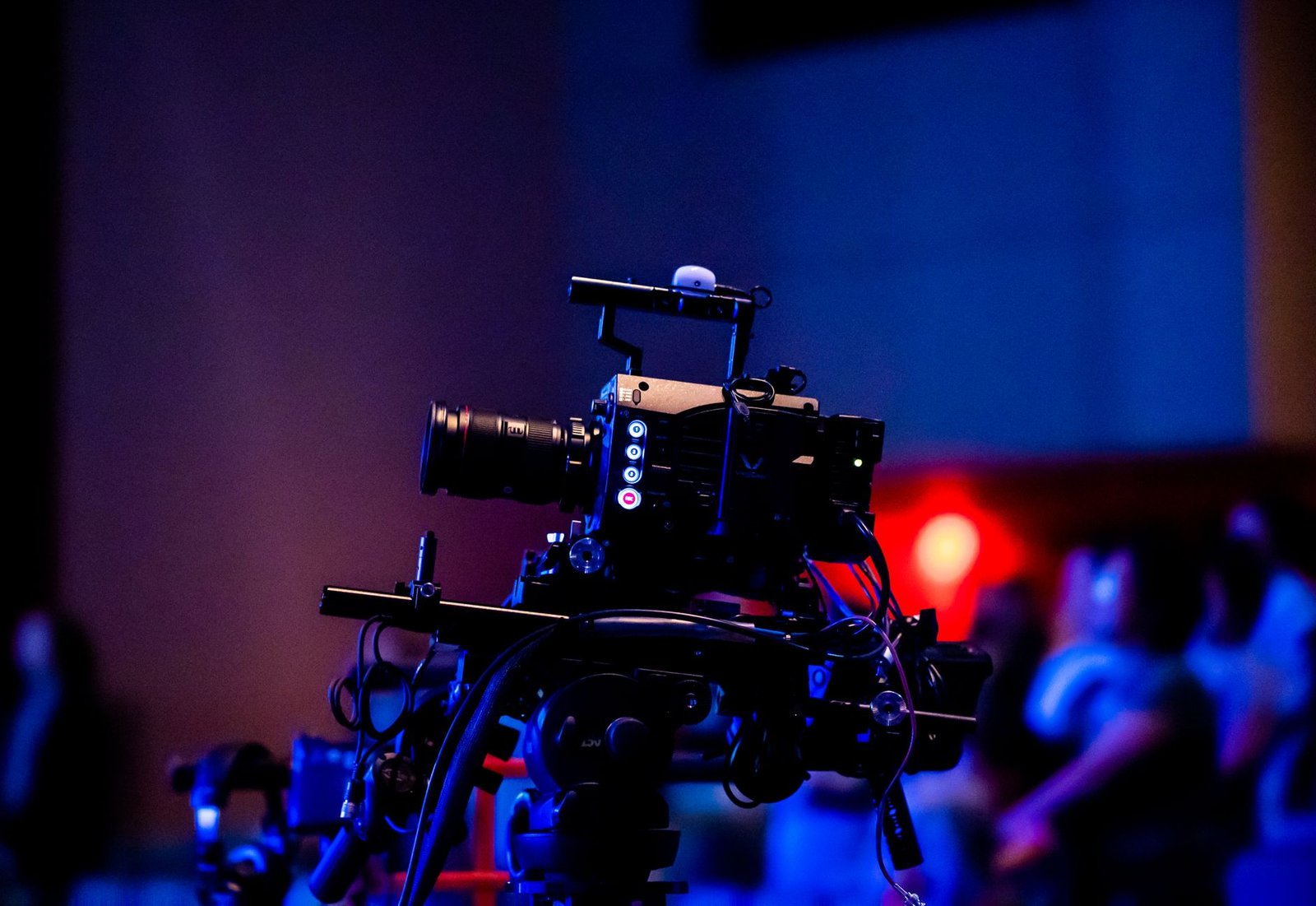
High-fidelity panel capture at The AI Collective requires a three-camera setup consisting of two tight angles and one wide reference shot, paired with 5600K color-calibrated LED panels. Capturing rapid-fire technical discussions requires a minimum of three active cameras to maintain visual pacing and keep remote audiences engaged. Our standard configuration uses three Sony FX6 cinema cameras operating on a unified timecode to simplify post-production synchronization. This multi-cam array allows our editors to deliver polished sizzle reels within 4 to 6 hours on-site, a critical timeline for social media amplification. Proper lighting is equally vital, as venue ambient light often shifts throughout the day; we deploy 5600K daylight-balanced LED panels to neutralize the blue glare from projection screens. This precise lighting setup prevents color casting on speakers' faces, ensuring clean, professional assets that match the standards of major tech broadcasts. By controlling both the visual depth and color temperature, we produce high-res photography and 4K video assets that elevate the brand authority of event hosts.
Audio Engineering and Wireless Frequency Management
Clear audio capture in dense urban environments like San Francisco requires digital wireless systems operating in the clean 1.9 GHz DECT spectrum to avoid local RF interference. Wireless audio interference affects up to 35% of events in downtown San Francisco due to the high concentration of corporate networks and local broadcast signals. To combat this, Alesia RSVP utilizes Shure Axient Digital systems operating outside the crowded 2.4 GHz band, ensuring crystal-clear audio capture for every panelist. We pair these receivers with premium lavalier and headset microphones to minimize background noise from ventilation systems and audience chatter. For interactive sessions, we deploy dedicated point-to-point wireless handhelds calibrated to specific localized frequencies. Our on-site sound engineers actively monitor the RF spectrum throughout the day, adjusting frequencies in real-time to prevent dropouts. This meticulous approach to audio engineering ensures that on-site podcasts and main-stage streams maintain broadcast-grade clarity, preserving every word of complex technical presentations for global distribution.
Rapid Post-Production and Content Delivery Timelines
Turnaround times for post-event video assets must not exceed 72 hours to maximize social media engagement and maintain audience momentum. Delivering high-quality video assets within 24 to 72 hours post-event is standard practice for modern B2B campaigns looking to capture post-event momentum. Alesia RSVP achieves this rapid turnaround by utilizing on-site editors who ingest footage continuously throughout the event day. According to research published by eventmarketer.com, event content shared within the first 48 hours receives 3 times more engagement than assets published a week later. Our workflow produces certified live streams, vertical social edits, and high-res photography simultaneously, allowing marketing teams to publish highlights while the event is still trending. For more details on optimizing your local setups, review our AI Collective SF AV Guide which details localized venue configurations. By integrating this fast-track production pipeline, we help clients like Taiko and Fabric Ventures dominate digital channels immediately following their keynotes.
Optimizing On-Site Logistics and Venue Coordination
Successful AV execution at San Francisco venues requires a minimum of 4 hours of dedicated technical setup and soundcheck time prior to doors opening. Coordinating with local venue managers in San Francisco demands a clear understanding of union labor rules and strict load-in schedules, requiring this minimum setup window. Alesia RSVP manages these logistics directly, ensuring that all physical cabling, lighting grids, and camera positions are fully established before the first attendee arrives. This buffer time allows our technical team to perform comprehensive frequency scans and loop-back testing on all live stream feeds. By coordinating closely with venue staff, we eliminate unexpected bottlenecks that frequently delay technical keynotes. Our team has produced events in 22 operational cities globally, bringing a standardized operational playbook that keeps local production crews aligned and on schedule. This systematic approach guarantees that your event starts precisely on time, with all technical systems operating at peak performance.
Explore our case studies at alesiarsvp.com/work
Questions Fréquentes
What is the standard delivery timeline for post-event video assets?
Within 24 to 72 hours, Alesia RSVP delivers fully edited 4K video highlights, certified live streams, and high-res photography. For social media teams requiring immediate impact, we produce polished sizzle reels within 4 to 6 hours directly on-site. This rapid turnaround is achieved by deploying dedicated on-site editors who ingest and cut footage continuously as the sessions occur. By bypassing traditional post-production delays, we ensure your marketing team has premium assets ready to publish while your event is still trending globally, maximizing digital engagement.
How do you prevent live stream dropouts during high-density San Francisco events?
Redundancy is the key to our zero-failure live streaming protocol. We deploy Teradek bonded cellular systems that combine multiple cellular networks with the venue's physical fiber line to create a single, ultra-stable connection. This setup ensures that if one internet service provider fails, the stream automatically routes through active channels without a single dropped frame. We also utilize hardware encoders and a strict 3-2-1 backup protocol, meaning your broadcast is continuously recorded locally on physical drives while simultaneously streaming to primary and backup servers.
What camera setups do you recommend for technical panel discussions?
Three active cinema cameras represent our recommended minimum setup for capturing professional panel discussions. This configuration includes two tight angles focused on individual speakers and one wide reference shot to capture the entire stage and venue context. Operating on a unified timecode, these cameras allow our editors to quickly switch angles in post-production, keeping the visual rhythm fast and engaging. We pair this multi-cam array with daylight-balanced LED panels to eliminate harsh shadows and neutralize the blue glare from large LED presentation screens.
Can you manage on-site podcast recording alongside main-stage video production?
Yes, we routinely deploy dedicated, sound-isolated mobile podcast studios directly inside event venues. This setup features multi-mic arrays and localized digital recorders that operate independently of the main stage audio feed to prevent cross-talk. Our engineers manage the entire signal chain, delivering clean, multi-track audio files and multi-cam video feeds optimized for platforms like Spotify and YouTube. This allows event hosts to capture high-value, intimate conversations with key speakers and VIP guests without interrupting the main stage programming or overloading the venue's AV infrastructure.