
Managing Web3 Brand Reputation After the Binance Exploit
Managing Web3 Brand Reputation After the Binance Exploit
In a digital landscape where a $6.3 billion exploit can shake the foundations of trust, the human element of the industry remains the anchor. When technical systems fail, the burden of proof shifts from the code to the people behind it, making physical presence and professional documentation the primary tools for reputation recovery.
How do major crypto security breaches impact the atmosphere of Web3 networking events?
When a $6.3 billion exploit hits the headlines, the immediate reaction is digital, but the long-term fallout is managed in the hallways of five-star hotels and the VIP lounges of global summits. Security breaches of this magnitude do not just drain wallets; they drain confidence. At events like EthCC, the atmosphere shifts from speculative hype to a sober, clinical focus on infrastructure and institutional-grade security. For corporate decision-makers, these gatherings are no longer just about networking; they are about verification. Investors and partners are looking for eye contact, firm handshakes, and the physical presence of leadership to gauge the actual health of an ecosystem. The psychological weight of a multi-billion dollar breach creates a 'trust deficit' that cannot be filled by a tweet or a Medium post. It requires a physical demonstration of stability.
The reality is that in the wake of a crisis, the digital narrative is often chaotic, fragmented, and driven by speculation. Face-to-face interactions at major conferences provide a controlled environment where nuance can be communicated and difficult questions can be answered in real-time. This is where the corporate event industry plays a pivotal role. These high-stakes environments act as pressure valves, allowing leaders to address concerns directly without the distortion of social media algorithms. We observe a distinct shift in event architecture following these crises: the move is toward more private, high-level roundtables and closed-door sessions rather than flashy, open-invite parties. The focus moves from 'what is the price' to 'how is the protocol being hardened.' This transition requires an event production strategy that reflects seriousness and stability rather than the typical 'to the moon' aesthetic that has historically dominated the space.
Furthermore, the presence of institutional partners at these events serves as a secondary layer of validation. When a brand is under fire, the company it keeps becomes its strongest endorsement. If a protocol can maintain its scheduled presence at a major summit and host a room full of Tier-1 VCs and infrastructure providers, it signals to the market that the internal damage is contained. The atmosphere becomes one of 'reconstructive networking,' where the primary objective is to demonstrate that the team is still in place, the vision is intact, and the technical roadmap has been adjusted to prevent future vulnerabilities. This sober environment actually fosters deeper, more meaningful professional connections than the frenetic energy of a bull market rally.
Why is professional event documentation crucial for brand trust during a market crisis?
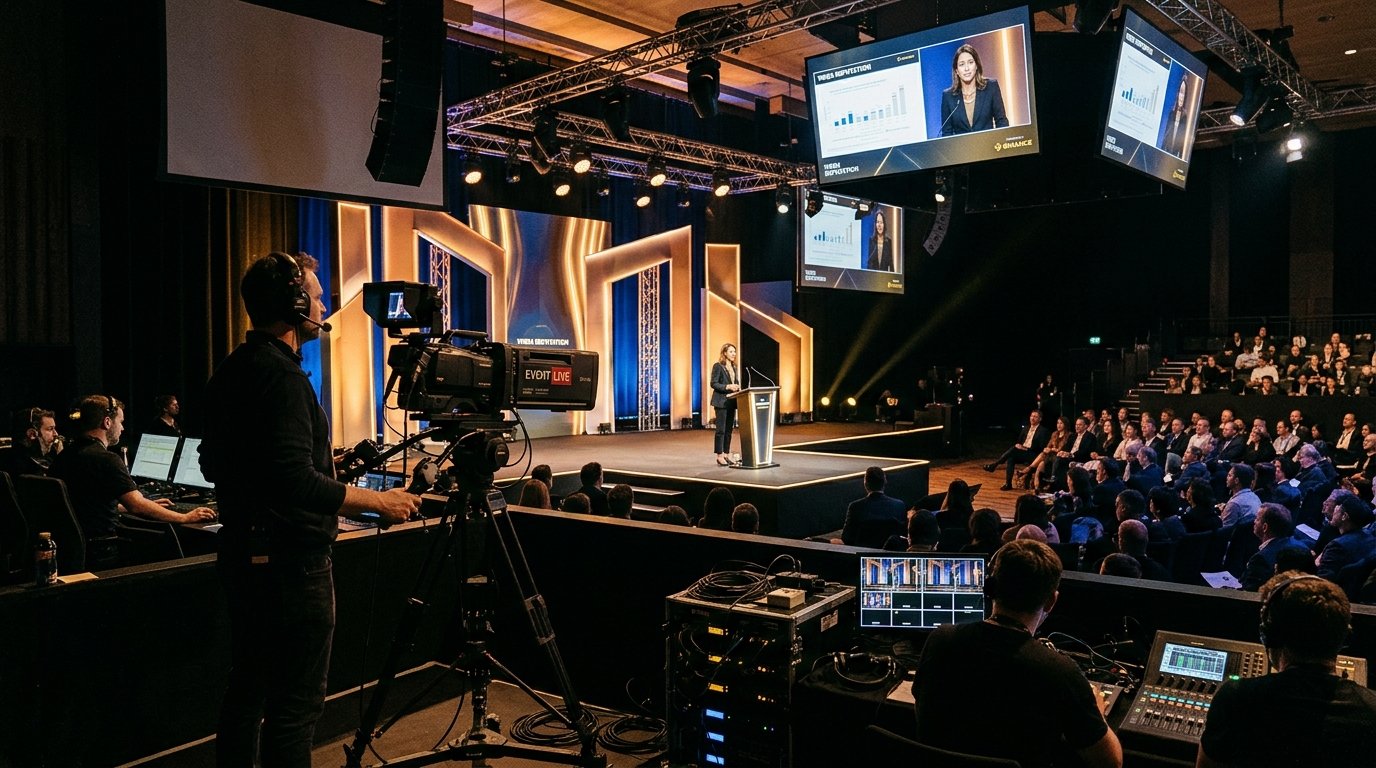
Silence is the enemy of trust. When a brand like Binance faces technical scrutiny, its presence at major industry hubs must be documented with absolute precision. Professional event documentation—high-end photography, cinematic video, and live-streamed executive addresses—provides visual evidence of stability. It shows that the leadership is present, the partners are still engaged, and the ecosystem is functioning. As noted in BizBash trends: Managing brand reputation at high-stakes tech events, the visual narrative is a powerful tool in crisis management. If a company only communicates through text-based social media during a crisis, it feels detached, defensive, and perhaps even automated. However, when stakeholders see high-quality imagery of their CEO on a panel at a major summit, it humanizes the brand and projects an image of 'business as usual.'
Alesia RSVP approaches this through an editorial lens. We don't just take snapshots; we capture the gravitas of the moment. For a Web3 firm, this might mean same-day delivery of high-quality photos to press outlets, ensuring that the visual story being told globally is one of resilience and professionalism. In the B2B world, optics are not just vanity; they are a form of currency. High-quality production values signal that a company has the resources and the discipline to weather the storm. When the market is looking for signs of weakness, a poorly lit, blurry smartphone photo of a keynote speech can inadvertently signal a lack of control or a crumbling infrastructure. Conversely, a crisp, well-composed shot of a founder engaging with industry peers suggests authority and composure.
Moreover, professional documentation creates a permanent archive of the recovery process. In the years following a major exploit, the brand will be judged by how it handled the aftermath. Having a library of high-fidelity content showing the brand's active participation in the global discourse serves as a powerful counter-narrative to the initial crisis reports. This documentation is also vital for internal morale. Seeing the brand represented with prestige and professionalism at global events helps retain talent and reassures employees that the company remains a leader in the space. It is about creating a visual record of 'Proof of Presence' that matches the technical 'Proof of Work' the developers are doing behind the scenes.
How can Web3 companies maintain a premium image at events like Consensus 2026 despite industry volatility?
Looking ahead to Consensus 2026, the goal for any Web3 firm isn't just to show up, but to project institutional permanence. This requires a shift from 'startup energy' to 'corporate excellence.' The volatility of the crypto market makes it even more important for physical activations to feel grounded and premium. This is achieved through sophisticated AV production, multi-camera live streaming, and magazine-quality photography that aligns with the expectations of Tier 1 financial institutions. In an era where the $6.3 billion Binance exploit remains a cautionary tale, the physical environment of an event must act as a fortress of stability. Every touchpoint, from the texture of the signage to the clarity of the audio in a keynote, contributes to the perception of reliability.
Alesia RSVP specializes in this transition. By treating a crypto summit with the same level of production rigor as the World Economic Forum, we help brands move past the 'crypto' label and into the 'fintech leader' category. This means avoiding the generic, neon-lit booths of the past and opting for architectural designs, professional lighting, and high-fidelity audio for keynote addresses. When the market is volatile, your physical presence must be the opposite. It must be the steady hand. This LinkedIn discussion on Binance exploit and event industry impact highlights how the community looks for leadership cues during periods of uncertainty. A premium event strategy ensures those cues are received loud and clear.
To maintain this image, companies must also consider the 'white space' of their event presence. It is not just about the content on the screen, but the environment in which that content is consumed. Premium branding at Consensus 2026 will involve creating spaces that facilitate high-level dialogue—think sound-dampened meeting rooms, curated networking lounges with bespoke hospitality, and integrated technology that allows for seamless presentations. These details signal that the brand is focused on the long-term institutional horizon rather than short-term retail hype. By investing in high-end production, a Web3 firm demonstrates that it has the operational maturity to handle institutional-grade capital and the security responsibilities that come with it. It is a visual and physical manifestation of the brand's commitment to excellence, regardless of the current market cycle or previous technical setbacks.
What role does visual storytelling play in crisis management for tech leaders?
Visual storytelling is the bridge between technical recovery and public perception. A crisis isn't over when the code is patched; it is over when the market believes it won't happen again. Capturing the 'war room' sessions, the high-level panels, and the strategic networking at events allows a brand to control the narrative. This is not about propaganda; it is about transparency. Documenting the process of recovery—showing the experts at work and the leaders in dialogue—builds a story of accountability. In the high-stakes world of Web3, where decentralization often masks the human effort involved, showing the faces of those responsible for the recovery is essential for rebuilding trust.
At Alesia RSVP, we understand that for a tech leader, every frame matters. Whether it's a 30-second highlight reel for social media or a long-form documentary about the event, the focus must be on the people solving the problems. By highlighting the human expertise behind the technology, we shift the focus from the exploit to the solution. This editorial approach to event production is what differentiates a premium agency from a standard vendor. We are not just recording an event; we are documenting a brand's resilience. This involves a deep understanding of the industry's specific visual language—capturing the intensity of a technical workshop, the focus of a developer hackathon, and the gravitas of a board-level meeting.
In the high-stakes world of B2B events, your content is your most valuable post-event asset. It serves as the permanent record of how you handled the pressure, providing a blueprint for future trust with your stakeholders and investors. Effective visual storytelling during a crisis also involves 'active listening' through the lens. Our photographers and videographers are trained to identify the moments that matter: the handshake that seals a new security partnership, the CEO's composed response during a difficult Q&A, and the collaborative spirit of the engineering team. These images are then curated to tell a story of a brand that is not just surviving, but evolving. In the long run, the way a brand documents its response to a crisis becomes a core part of its identity, demonstrating a level of maturity and transparency that can actually leave the brand stronger than it was before the exploit occurred.
FAQ
How does Alesia RSVP handle visual coverage for high-security tech events?
Alesia RSVP employs a team of seasoned professionals who operate with extreme discretion and strict adherence to corporate security protocols. We understand the sensitive nature of Web3 events, especially following security breaches. We use high-end, silent equipment to ensure that sensitive discussions are not interrupted, while delivering magazine-quality editorial content that meets the rigorous standards of global financial and tech brands. Our workflow is designed for speed and security, ensuring that assets are handled with the same care as the brand's own internal data.
Can professional event photography help rebuild brand reputation after a crypto crisis?
Yes, high-quality visual documentation serves as 'proof of life' and institutional stability for a brand. By capturing leadership engaging directly with the community and participating in high-level industry summits, a company can visually communicate resilience and a continued institutional presence. This is essential for regaining the trust of investors, partners, and the broader ecosystem, as it replaces the abstract digital narrative of a crisis with the concrete reality of a functioning, professional organization.
What are the best practices for documenting Web3 summits during market volatility?
The focus should shift from hype-driven, 'lifestyle' content to institutional-grade storytelling. Best practices include focusing on keynote addresses that outline technical security roadmaps, capturing high-level networking between founders and institutional partners, and ensuring same-day delivery of professional assets to control the media narrative in real-time. Additionally, documentation should emphasize the human expertise and the seriousness of the infrastructure, using an editorial style that reflects the brand's maturity and long-term commitment to the space.
Frequently Asked Questions
How does Alesia RSVP handle visual coverage for high-security tech events?
Alesia RSVP employs a team of seasoned professionals who operate with extreme discretion and strict adherence to corporate security protocols. We understand the sensitive nature of Web3 events, especially following security breaches. We use high-end, silent equipment to ensure that sensitive discussions are not interrupted, while delivering magazine-quality editorial content that meets the rigorous standards of global financial and tech brands. Our workflow is designed for speed and security, ensuring that assets are handled with the same care as the brand's own internal data.
Can professional event photography help rebuild brand reputation after a crypto crisis?
Yes, high-quality visual documentation serves as 'proof of life' and institutional stability for a brand. By capturing leadership engaging directly with the community and participating in high-level industry summits, a company can visually communicate resilience and a continued institutional presence. This is essential for regaining the trust of investors, partners, and the broader ecosystem, as it replaces the abstract digital narrative of a crisis with the concrete reality of a functioning, professional organization.
What are the best practices for documenting Web3 summits during market volatility?
The focus should shift from hype-driven, 'lifestyle' content to institutional-grade storytelling. Best practices include focusing on keynote addresses that outline technical security roadmaps, capturing high-level networking between founders and institutional partners, and ensuring same-day delivery of professional assets to control the media narrative in real-time. Additionally, documentation should emphasize the human expertise and the seriousness of the infrastructure, using an editorial style that reflects the brand's maturity and long-term commitment to the space.