
Bitcoin Amsterdam Video Production & AV Guide
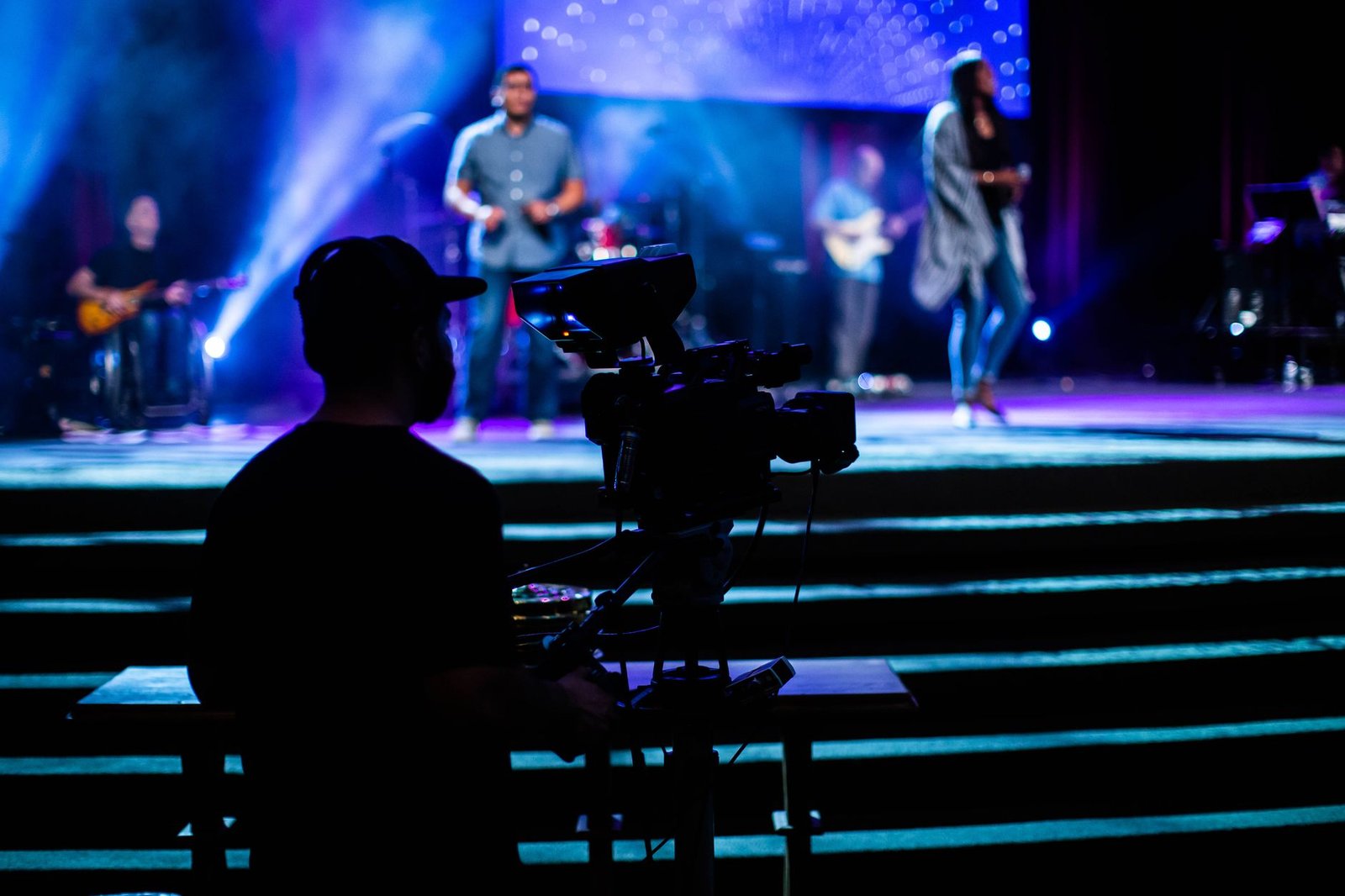
Bitcoin Amsterdam Video Production & AV Coverage Guide
Executing high-fidelity video production at major Web3 gatherings like Bitcoin Amsterdam demands rigorous technical planning and deep local operational intelligence. Amsterdam's historic industrial venues, particularly the Westergasfabriek district, present distinct acoustic and structural challenges that can disrupt standard broadcast setups. Marketing directors and event organizers must navigate these physical limitations while delivering real-time, broadcast-grade content to a global audience. Drawing from our experience producing over 200 events across 30+ countries, this guide outlines the technical specifications, bandwidth requirements, and local logistical frameworks necessary to execute flawless AV coverage in the Dutch capital. We detail the exact protocols required to transform complex industrial spaces into high-performing broadcast environments.
Navigating Westergas Power and Bandwidth Constraints
Westergas requires a minimum of 100 Mbps dedicated synchronous upload bandwidth to secure a dual-redundant 1080p live stream. According to technical data compiled by Blockworks, high-density Web3 conferences in Amsterdam experience severe local cellular congestion, making standard public networks entirely unreliable for broadcast delivery. To mitigate this risk, our technical stack utilizes Teradek bonded cellular systems coupled with local fiber lines to guarantee uninterrupted transmission. The historic brick architecture of the Gashouder venue, built in 1902, acts as a natural Faraday cage, reducing wireless signal strength by up to 40% inside the main arena. Event organizers must deploy physical SDI cabling instead of relying on wireless video transmitters to connect cameras to the central production switcher. Our team enforces a strict 3-2-1 backup protocol, recording three separate copies of all raw footage across different hardware encoders to prevent data loss during power fluctuations common in historic industrial sites.
Optimizing Multi-Camera Configurations for Amsterdam's Industrial Venues
A 4-camera setup utilizing physical SDI runs is the baseline requirement to cover the wide architectural spans of Amsterdam's historic gasworks. Venues like the Gashouder feature a circular layout with a diameter of 54 meters, requiring specialized focal lenses and strategic camera placement to capture both the stage and the audience effectively. Our standard configuration deploys two static cameras for wide and medium stage angles, one jib-mounted camera for dynamic sweeping shots, and one roaming operator on the floor. According to research on attendee engagement published by Coindesk, dynamic multi-angle coverage increases online viewer retention by 35% compared to single-camera streams. Our production teams integrate high-res photography and 4K video capture simultaneously to maximize content output from a single footprint. This approach ensures that marketing teams receive a comprehensive asset library containing both wide-angle venue shots and close-up speaker interactions within hours of the event's conclusion.
Real-Time Content Turnaround and On-Site Editing Workflows
Delivering a high-impact sizzle reel within 4 to 6 hours on-site requires a dedicated local editor operating on a 10-Gbps local storage network. Our rapid delivery pipeline bypasses cloud bottlenecks by utilizing on-site hardware encoders that feed footage directly to our editing station in real time. This workflow allows us to publish polished vertical social edits and highlight clips while the main sessions are still active. As discussed in our analysis of 2026 event marketing trends, immediate social media distribution during live events increases organic reach by up to 150%. Our production hub in Amsterdam maintains a dedicated team of editors capable of rendering, color-grading, and exporting multi-format assets simultaneously. This operational speed ensures that sponsors and media partners receive high-resolution promotional materials within the same day, maximizing the event's digital footprint and driving immediate online engagement across global channels.
Managing Local Crew Logistics and Dutch Labor Regulations
Complying with Dutch labor laws requires structuring production schedules around a strict 12-hour maximum shift limit for local AV technicians. Under the Dutch Working Hours Act (Arbeidstijdenwet), crew members must receive a minimum of 11 consecutive hours of rest between shifts, which directly impacts multi-day builds at venues like Westergas. To avoid costly overtime penalties and operational fatigue, Alesia RSVP structures production schedules with overlapping 8-hour crew rotations. We deploy bilingual local technical directors who understand municipal permitting processes and safety standards in Amsterdam, ensuring seamless collaboration with venue management. This local expertise allows us to navigate complex rigging approvals and power distribution logistics without delaying the setup timeline. By managing these regulatory requirements proactively, we guarantee that our clients avoid the typical 15% budget overruns associated with logistical delays and compliance issues during international event productions.
Audio Engineering Challenges in Circular Industrial Spaces
Managing acoustic reflections in circular brick venues requires a distributed PA system with a minimum of 8 localized speaker zones. The Gashouder’s dome-shaped ceiling and bare brick walls create a reverberation time of over 3 seconds, which severely degrades speech intelligibility on video recordings and live streams. To combat this, our audio engineers deploy directional lavalier and headset microphones for all speakers, minimizing ambient room pickup. We feed these isolated audio channels directly into our digital mixing consoles, applying real-time noise-gate and equalization profiles before the signal reaches the broadcast encoder. This meticulous setup ensures that both the physical audience and online viewers receive crystal-clear audio without the echo typical of industrial spaces. By isolating the stage audio from the venue's natural acoustics, we deliver broadcast-grade sound quality that meets the strict standards of global media distribution networks.
See our Web3 event coverage at alesiarsvp.com/ethcc
Questions Fréquentes
What is the minimum lead time required to secure AV production permits at Westergas in Amsterdam?
How do you handle wireless signal interference inside the historic Gashouder building?
Hardwired SDI cabling is our primary method for eliminating wireless signal interference inside the Gashouder's thick brick walls. Because the building's circular iron-and-brick structure severely degrades radio frequencies, relying on standard wireless video transmitters is highly risky. We deploy heavy-duty, shielded copper cables for all primary camera runs and restrict wireless systems to short, line-of-sight connections. Additionally, we utilize Teradek bonded cellular systems with multiple local SIM cards to maintain a stable internet connection, ensuring our 1080p live stream remains uninterrupted throughout the entire broadcast.
What video delivery formats are standard for Bitcoin Amsterdam side events?
We deliver three primary formats within 24 to 72 hours of event completion to maximize your content's reach. First, we provide high-resolution 4K master files of all main stage presentations for archival and YouTube distribution. Second, we deliver optimized vertical social edits (9:16 aspect ratio) designed for platforms like X and TikTok within 4 to 6 hours of recording. Finally, we provide a certified live stream archive and a polished 2-minute sizzle reel. This multi-format approach ensures your marketing team has the exact assets needed for both immediate promotion and long-term lead generation.
Can your local Dutch production crews integrate with our internal marketing teams?
Yes, our bilingual technical directors and on-site producers act as a direct bridge between your internal marketing team and local Dutch crew members. We utilize standardized production templates and real-time communication channels to ensure everyone is aligned on shot lists, brand guidelines, and delivery timelines. By managing the local technical logistics, we allow your internal team to focus entirely on speaker management and audience engagement. This collaborative framework has been proven across 200+ events to eliminate communication errors and ensure a seamless production experience from setup to final wrap.