
Circle Global Expansion: The Future of B2B Fintech Events
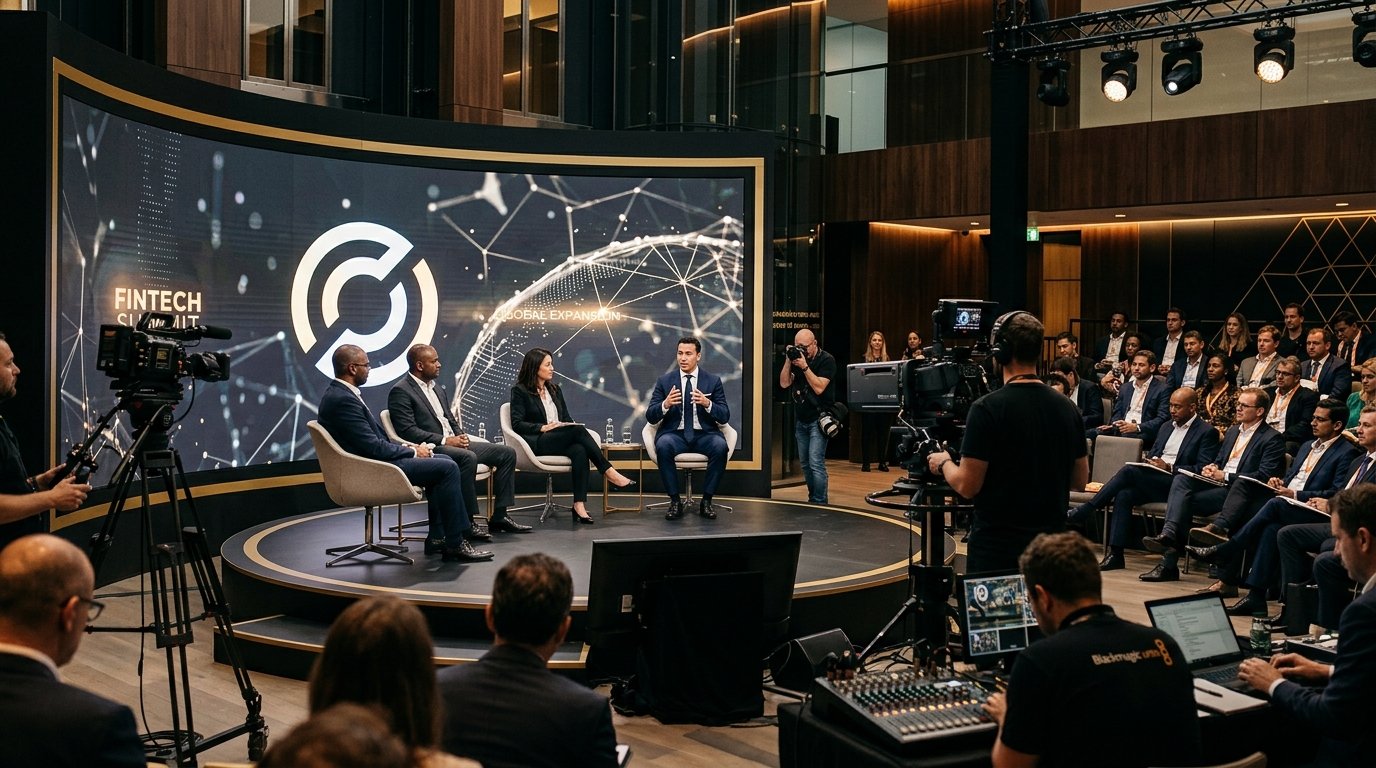
Circle Global Expansion: The Future of B2B Fintech Events
Circle is targeting about 50 emerging and developing markets for USDC. This global shift into stablecoins is fundamentally altering the logistics and branding of B2B summits.
How is the global expansion of stablecoins impacting international B2B events?
As Circle scales digital dollar payments across about 50 emerging and developing markets, the global B2B event landscape is entering a new era of borderless expansion and high-stakes networking. The traditional friction of cross-border commerce has long been the silent tax on international conference production. For a VP of Events planning a multi-city tour across Southeast Asia or Latin America, the logistical hurdles of local currency volatility and slow bank transfers for vendors are significant. Circle’s expansion into these emerging markets signals a shift where stablecoins like USDC become the standard settlement layer for the event industry. This isn't about crypto-speculation; it is about the functional utility of the 'digital dollar' in streamlining the massive overhead of international summits.
Corporate event organizers are now looking at a future where vendor contracts, sponsorship tiers, and speaker fees are settled instantly. This transition from early adoption to mainstream scaling, as noted by Jeremy Allaire, means that the infrastructure of events must evolve. When a fintech leader enters a new market, the physical event is the primary vehicle for trust-building. However, the backend financial operations must be as modern as the technology being showcased. The integration of stablecoins into the event ecosystem reduces the cost of entry for international brands looking to host satellite events in emerging hubs. This financial agility allows for more aggressive event schedules and higher production values because capital isn't trapped in a three-day clearing cycle.
The impact on attendee experience is equally direct. We are seeing a move toward seamless, blockchain-enabled registration and on-site activations. As stablecoins gain traction in regions like Singapore and Dubai, the expectation for digital-native financial interactions at high-level summits grows. For more insights on the intersection of finance and event tech, you can follow the LinkedIn discussion on Circle's global market impact. The event industry is no longer just a service provider; it is the testing ground for these new financial rails.
Why are emerging markets becoming the new hubs for fintech networking?
The center of gravity for B2B fintech events is shifting away from the traditional corridors of London and New York. Circle’s aggressive move into Southeast Asia and the Middle East highlights where the actual growth is happening. Cities like Singapore have become the default staging grounds for global fintech announcements because the regulatory environment and the appetite for digital dollar adoption are unmatched. These regions are not just participants in the global economy; they are becoming the architects of the next financial system. For corporate decision-makers, this means the 'must-attend' list of conferences is diversifying.
Emerging markets offer a unique density of innovation that traditional markets often lack. When Circle targets these 50 emerging and developing nations, they are following the demand for better payment rails. Naturally, the events that follow this demand are high-energy and high-stakes. These summits are where partnerships between legacy banks and new-age payment firms are solidified. The networking at an event in Jakarta or Dubai carries a different weight than in a saturated market; it represents a ground-floor opportunity in a rapidly expanding economy. The physical presence of a brand at these events is a signal of commitment to the region.
However, operating in these emerging hubs requires a sophisticated understanding of local production standards. A corporate summit in a new market is a high-risk branding exercise. The quality of the venue, the precision of the AV setup, and the caliber of the networking environment must meet a global standard to be taken seriously by C-suite executives. This is where the gap between local capability and global expectation often exists. Successful firms bridge this gap by bringing in established production partners who understand the nuances of both the local market and the global corporate brand identity.
How can premium visual content support corporate branding during global market entries?
Alesia RSVP bridges the gap between fintech innovation and visual storytelling, documenting the global expansion of industry leaders like Circle at major international summits and emerging market hubs. When a company enters about 50 emerging and developing markets simultaneously, they face a massive narrative challenge: how do you maintain a premium, cohesive brand image across vastly different geographies? The answer lies in professional visual assets. High-end photography and cinematic aftermovies are not just 'event coverage'; they are the primary marketing deliverables for a global expansion strategy. They provide the social proof needed to establish authority in a new territory.
Marketing directors use this content to justify the significant spend of international event participation. A single keynote at a summit in Singapore can be repurposed into a dozen high-value content pieces, from LinkedIn snippets to investor relations videos. If the visual quality is subpar, the brand's perceived authority in that new market suffers. In the fintech sector, where trust is the ultimate currency, a grainy video or poorly lit photo gallery is a liability. Premium production ensures that the brand looks as stable and professional as the financial products it sells.
Furthermore, visual content serves as a bridge for those who couldn't attend. For every executive in the room, there are a thousand more watching the highlights online. The 'digital footprint' of a market entry is often more important than the physical event itself. By investing in multi-camera live streaming and editorial-grade photography, firms like Circle can broadcast their mainstream transition to a global audience. This strategic use of content transforms a local event into a global statement of intent. For more on how visual tech is evolving, see the latest BizBash trends in fintech and event technology.
What role does blockchain technology play in the future of event production?
The 'mainstream scaling' Jeremy Allaire describes isn't limited to payments; it extends to the very infrastructure of how we produce and verify event experiences. Blockchain technology is increasingly used for secure ticketing, preventing the fraud that plagues high-demand corporate summits. More importantly, it allows for programmable sponsorship activations. Imagine a scenario where a sponsor's tier-one benefits are automatically triggered and verified on a ledger as they meet certain engagement metrics on the floor. This level of transparency is exactly what enterprise marketing teams demand when allocating budgets.
In the realm of event production, blockchain facilitates a level of accountability that was previously impossible. Digital rights management for event content—such as exclusive interviews or proprietary keynotes—can be managed via smart contracts, ensuring that intellectual property is protected while being distributed globally. This level of technical sophistication is the new benchmark for the fintech event sector, where the medium must reflect the message of innovation and security.
Frequently Asked Questions
Pourquoi l'USDC est-il pertinent pour les événements B2B ?
Il permet de régler instantanément les prestataires internationaux et les intervenants, évitant les délais bancaires de 3 jours et la volatilité des devises locales.
Quels sont les nouveaux hubs mondiaux pour la Fintech ?
Singapour et Dubaï s'imposent comme des centres majeurs, complétant les hubs traditionnels comme Londres ou New York grâce à une réglementation agile.
Comment la blockchain sécurise-t-elle les événements ?
Elle est utilisée pour la billetterie infalsifiable et la gestion transparente des contrats de sponsoring et des droits de propriété intellectuelle du contenu produit.