
Corporate Event Creativity in New Orleans: 3 Strategic Ways
Corporate Event Creativity in New Orleans: 3 Strategic Ways
Discover how the vibrant spirit of New Orleans is redefining attendee engagement and corporate innovation in an era of professional burnout.
How can a city's culture help re-engage a burned-out workforce?
Is your corporate retreat just another meeting, or a catalyst for innovation? Discover how the vibrant spirit of New Orleans is redefining attendee engagement in an era of professional burnout. The current state of professional engagement is at a historical low. According to research by Gallup, only 31% of U.S. employees are actively engaged in the workplace—the lowest level in a decade. For corporate decision-makers, this isn't just a HR metric; it is a direct threat to the bottom line, affecting everything from talent retention to long-term operational agility. When workers seek clarity about their purpose and a sense of belonging, the choice of a host city for major summits and retreats becomes a strategic decision, not just a logistical one. The environment must do the heavy lifting that a slide deck cannot.
New Orleans offers a unique antidote to the sterile, windowless hotel ballrooms that have come to define modern corporate fatigue. By integrating a city's rich history and modern innovation into the event schedule, planners can spark a level of creativity that is impossible to achieve in a standard corporate setting. This isn't about leisure or simple tourism; it is about psychological shifting—a process where the brain is forced out of its habitual patterns by novel stimuli. When attendees are immersed in an environment that values heritage, complex history, and artistic expression, the mental barriers to innovation begin to dissolve. PwC reports that 42% of CEOs believe their businesses won’t remain viable in 10 years without significant transformation. That transformation starts with people who are inspired to think differently, and thinking differently requires a departure from the environments that produced the old way of thinking.
Choosing a location like New Orleans allows organizations to bridge the gap between corporate objectives and the human need for connection. The city serves as a living laboratory for creative problem-solving, where the resilience of the local culture provides a backdrop for discussions on corporate adaptability. By moving beyond the everyday challenges of organizing memorable events, planners can focus on the deeper goal of re-energizing their teams. This cultural immersion acts as a reset button for the professional psyche, allowing for more authentic communication and a renewed sense of shared mission. In the high-stakes world of B2B events, the environment is the first layer of the content strategy. If the room feels uninspired, the message will fall flat. Conversely, a venue in the Warehouse District or a courtyard in the French Quarter provides a sensory architecture that supports high-level strategic thinking. The goal is to move away from the 'beige box' syndrome and toward a model where the location itself facilitates the breakthrough. This is particularly vital for industries facing rapid disruption, where the ability to pivot depends entirely on the collective imagination of the leadership team. By leveraging the 'genius loci' or spirit of the place, event designers can create a container for transformation that feels both urgent and timeless.
Why is high-end visual storytelling vital for creative corporate gatherings?
The impact of a creative corporate gathering should not end when the final keynote concludes. High-end visual storytelling is the mechanism that transforms these fleeting moments into a lasting legacy of corporate renewal. In the age of digital noise, standard event photography—characterized by poorly lit 'grip and grin' shots—is no longer sufficient. To truly capture the essence of a creative summit, organizations must invest in editorial-grade visual production that mirrors the quality of the event itself. This involves more than just documenting speakers; it requires capturing the atmosphere, the spontaneous collaborations, and the cultural context of the host city. It is about documenting the 'why' behind the event, not just the 'who' and the 'where'.
When a company invests in a location like New Orleans to fuel creativity, the visual assets produced during the event become a core part of the internal and external brand narrative. These images and videos serve as proof of the organization's commitment to its culture and its people. High-quality visual content allows for the repurposing of event highlights into year-long marketing assets, internal communications, and recruitment tools. You can see examples of this level of production in our Gallery, where we focus on the intersection of corporate professionalism and artistic visual storytelling. According to Industry trends on BizBash, the demand for cinematic event recaps is rising as brands seek to justify the ROI of large-scale offsites. They are no longer looking for a simple record of the day; they are looking for a narrative arc that demonstrates growth and alignment.
Furthermore, professional AV production ensures that the creative energy generated on-site is effectively communicated to those who could not attend. Whether through high-definition live streaming or polished aftermovies, the goal is to maintain the momentum of the event long after the attendees have returned home. For executives in hubs like New York, the ability to broadcast the creative spirit of a remote retreat back to the global headquarters is a powerful tool for maintaining organizational alignment. Visual storytelling is the bridge between the physical experience and the digital memory of the brand. It provides a tangible return on the emotional investment made by the participants. When an attendee sees a high-quality photograph of themselves engaged in a deep, creative breakthrough, it reinforces that identity. This is the 'halo effect' of professional production: it validates the importance of the gathering and elevates the perceived value of the organization's initiatives. In a landscape where internal culture is a competitive advantage, the quality of your visual documentation is a direct reflection of how much you value your human capital.
What are the best ways to foster connection during large-scale industry events?
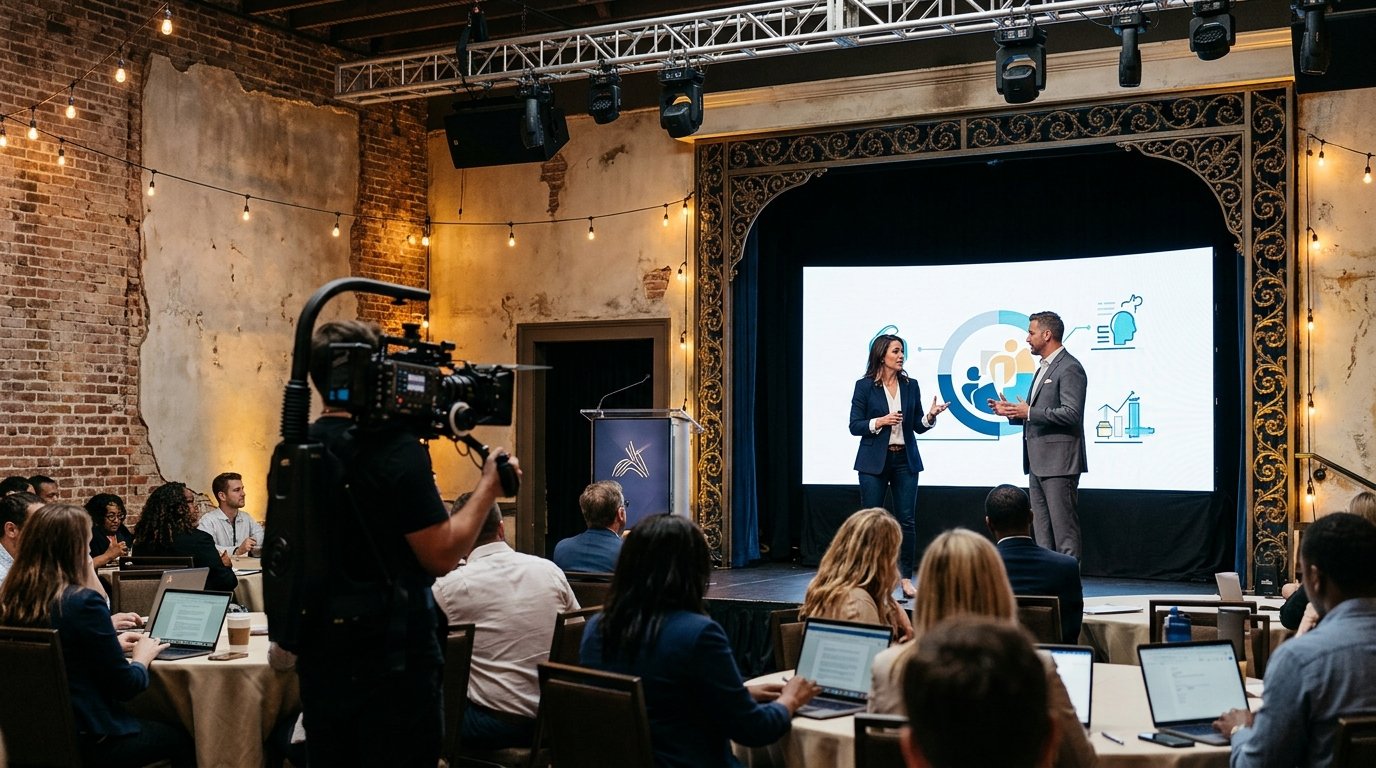
Fostering genuine connection during a large-scale industry event requires a departure from traditional networking formats that often feel forced or transactional. The most successful corporate gatherings prioritize serendipity over structure. In New Orleans, this often means leveraging the city's unique venues—from historic warehouses with exposed brick to intimate jazz clubs—to create environments where attendees feel comfortable stepping out of their professional personas. This shift is essential for breaking down silos and encouraging cross-departmental collaboration. When the environment feels less like a workplace and more like a shared experience, the quality of conversation improves significantly, moving from small talk to strategic ideation.
Strategic event management involves designing 'white space' into the agenda—time specifically allocated for unstructured interaction. This is where the most valuable connections are often made, away from the structured sessions and formal panels. As discussed in recent LinkedIn Discussion on Event Creativity, the move toward 'un-conferences' and interactive workshops is a direct response to attendee burnout. By facilitating shared activities that are unique to the host city—such as a collaborative culinary challenge or a private musical workshop—planners can create shared memories that bond teams more effectively than any PowerPoint presentation ever could. The goal is to move from passive attendance to active participation, where every attendee feels like a contributor to the event's outcome.
While New Orleans provides the cultural backdrop for creativity, Alesia RSVP captures the high-end visual narrative that transforms these fleeting moments into a lasting legacy of corporate renewal and connection. Our approach to event management and AV production is rooted in the belief that every corporate gathering is an opportunity to tell a story. We don't just provide equipment; we provide a framework for engagement. By combining strategic planning with premium visual output, we ensure that the creative spark ignited in New Orleans—or any of the 22 cities we serve—continues to burn bright long after the event ends. Professional production is not just an expense; it is an investment in the longevity of the event's impact. It ensures that the insights gained and the connections made are not lost in the transition back to daily operations.
Ultimately, the success of a corporate meeting is measured by the shift in the attendees' mindset. If they return to their desks with a clearer sense of purpose, a stronger connection to their colleagues, and a renewed belief in the company's mission, the event has achieved its ROI. The combination of a culturally rich host city and a world-class production partner creates an environment where innovation is not just encouraged, but inevitable. As companies face the challenges of a rapidly changing business environment, the ability to inspire and connect their workforce will be the ultimate competitive advantage. This requires a move away from the 'logistics-first' mindset and toward an 'experience-first' strategy, where the human element is the primary driver of every decision, from the choice of venue to the final frame of the event film.
FAQ
How do creative event experiences improve employee retention?
Creative event experiences improve employee retention by fostering a sense of belonging and purpose, which are key drivers of workplace engagement. When employees feel that their organization invests in their professional renewal and creative growth through high-quality offsites, it builds loyalty and reduces the likelihood of burnout. These events provide a much-needed break from routine, allowing staff to reconnect with the company's core values in a meaningful way.
What is the ROI of professional visual storytelling for corporate events?
The ROI of professional visual storytelling lies in its ability to extend the life of an event. High-quality assets can be used for internal culture building, external recruitment branding, and marketing content throughout the year. By documenting the event with an editorial eye, companies create a library of content that justifies the initial investment in the retreat and reinforces the strategic messages delivered during the sessions.
Why choose New Orleans over traditional corporate hubs like Chicago or Orlando?
New Orleans offers a 'psychological reset' that traditional hubs often lack. The city's unique cultural fabric, walkable historic districts, and world-class culinary scene provide a sensory-rich environment that stimulates creative thinking. Unlike sterile convention centers, New Orleans encourages attendees to step out of their comfort zones, leading to more authentic interactions and innovative problem-solving.
How can event planners incorporate 'white space' without losing productivity?
Incorporating 'white space' is not about wasting time; it is about optimizing it. By scheduling unstructured blocks in inspiring environments, planners allow for the organic processing of information. This leads to higher retention of the formal content and provides the necessary room for spontaneous networking and collaborative 'lightbulb moments' that rarely occur during back-to-back presentations.
What role does AV production play in attendee engagement?
AV production is the backbone of the attendee experience. Beyond just sound and light, it sets the tone and energy of the room. High-definition visuals, immersive soundscapes, and professional live-streaming ensure that the content is delivered with impact and clarity. It signals to the attendees that the information being shared is of the highest importance, thereby increasing focus and participation.
Frequently Asked Questions
How do creative event experiences improve employee retention?
Creative event experiences improve employee retention by fostering a sense of belonging and purpose, which are key drivers of workplace engagement. When employees feel that their organization invests in their professional renewal and creative growth through high-quality offsites, it builds loyalty and reduces the likelihood of burnout. These events provide a much-needed break from routine, allowing staff to reconnect with the company's core values in a meaningful way.
What is the ROI of professional visual storytelling for corporate events?
The ROI of professional visual storytelling lies in its ability to extend the life of an event. High-quality assets can be used for internal culture building, external recruitment branding, and marketing content throughout the year. By documenting the event with an editorial eye, companies create a library of content that justifies the initial investment in the retreat and reinforces the strategic messages delivered during the sessions.
Why choose New Orleans over traditional corporate hubs like Chicago or Orlando?
New Orleans offers a 'psychological reset' that traditional hubs often lack. The city's unique cultural fabric, walkable historic districts, and world-class culinary scene provide a sensory-rich environment that stimulates creative thinking. Unlike sterile convention centers, New Orleans encourages attendees to step out of their comfort zones, leading to more authentic interactions and innovative problem-solving.
How can event planners incorporate 'white space' without losing productivity?
Incorporating 'white space' is not about wasting time; it is about optimizing it. By scheduling unstructured blocks in inspiring environments, planners allow for the organic processing of information. This leads to higher retention of the formal content and provides the necessary room for spontaneous networking and collaborative 'lightbulb moments' that rarely occur during back-to-back presentations.
What role does AV production play in attendee engagement?
AV production is the backbone of the attendee experience. Beyond just sound and light, it sets the tone and energy of the room. High-definition visuals, immersive soundscapes, and professional live-streaming ensure that the content is delivered with impact and clarity. It signals to the attendees that the information being shared is of the highest importance, thereby increasing focus and participation.