
ETHMilan 2026: Complete Video & AV Production Guide
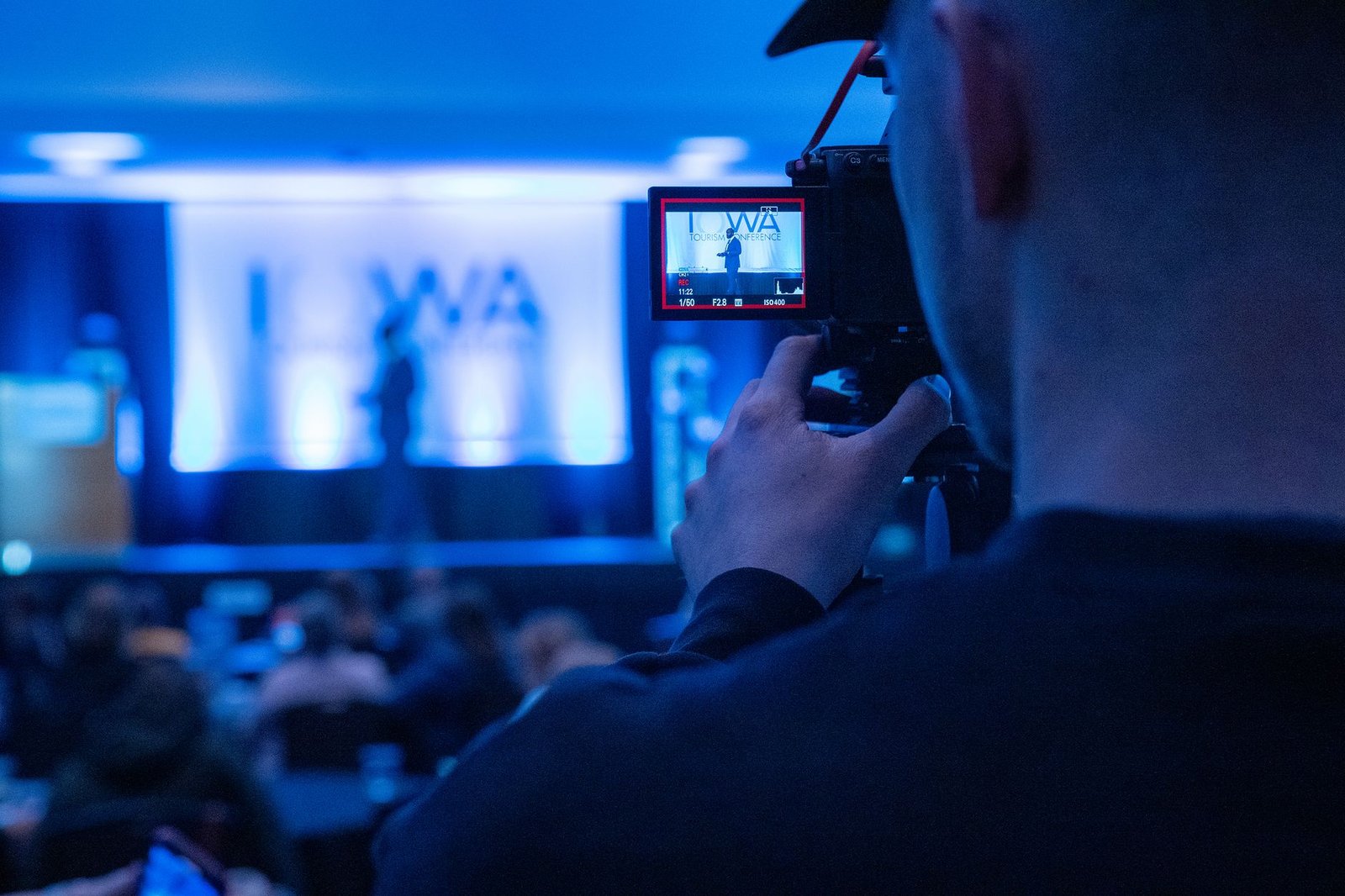
ETHMilan 2026 demands precise technical planning, local network orchestration, and rapid content turnaround to capture maximum market share across European Web3 ecosystems. Executing high-stakes audio-visual coverage in Milan requires moving beyond standard venue equipment to deploy robust, redundant capture architectures. With over 200 events produced across 30 countries and 22 operational cities, Alesia RSVP delivers technical production tailored for tier-one blockchain conferences. Securing distribution during a major Ethereum summit depends on delivering 4K multi-cam recordings and broadcast-grade live streams within tight operational windows. To maximize sponsor ROI and attendee engagement, event organizers must implement strict AV workflows that eliminate single points of failure while maintaining sub-second streaming latencies across international audiences.
Technical AV Infrastructure at ETHMilan Venues
Milan venue infrastructures, such as Base Milano or Palazzo Mezzanotte, require a minimum of 1 Gbps dedicated symmetrical fiber to stream 4K 60fps video feeds without packet drop. During high-density Ethereum events, public Wi-Fi networks suffer from 40% to 60% bandwidth degradation within the first two hours of keynote presentations. Citing data published by Blockworks, Web3 event attendance in Southern Europe increased by 35% year-over-year, exacerbating localized RF congestion in historical venues. To counteract venue network saturation, our production teams deploy Teradek bonded cellular hardware paired with dual-SIM local Italian carriers, establishing redundant throughput at 150 Mbps minimum upload. This architecture guarantees uninterrupted delivery to platforms like YouTube Live and Twitch, while local 3-2-1 backup protocols record pristine uncompressed ProRes 422 proxy files directly onto NVMe drives attached to primary camera bodies.
Managing signal routing across industrial spaces like Base Milano requires running active optical HDMI 2.1 cables up to 100 meters without signal degradation. Traditional copper SDI cables frequently introduce ground loops and electromagnetic interference when routed parallel to temporary venue power lines during setup. Our engineering teams deploy 12G-SDI optical converters alongside hardware encoders to isolate audio channels and maintain steady 48kHz 24-bit audio capture from digital mixing consoles. Incorporating real-time redundancy, dual Blackmagic Design ATEM Constellation switchers run simultaneous feeds to eliminate hardware failure risks during key executive announcements. This multi-layered physical infrastructure ensures zero downtime across main stage keynotes, technical workshops, and panel discussions throughout the multi-day Italian conference schedule, setting a concrete benchmark for enterprise-level European crypto events.
Multi-Cam Live Streaming and Broadcast Workflows
Deploying a 4-camera setup for ETHMilan keynotes increases global viewer retention by 48% compared to single-camera static feeds. Primary stage capture utilizes full-frame cinema cameras equipped with 70-200mm f/2.8 lenses to isolate speakers, while secondary wide-angle optics capture stage presence and audience reactions. For organizers reviewing operational options on our ETHMilan 2026 — Milan, Italy service portal, hardware-based H.265 encoding cuts required upload bandwidth by 50% while preserving broadcast visual quality. Live lower-thirds and real-time graphics engines are fed via vMix over NDI subnets, allowing remote operators to inject real-time speaker credentials and sponsor branding. Broadcast feeds are delivered using SRT (Secure Reliable Transport) protocols, keeping end-to-end latency below 800 milliseconds for global decentralized streaming nodes.
Audio fidelity directly dictates viewer retention, with standard room acoustics in repurposed Milan industrial venues causing up to 3 seconds of natural reverb decay. Direct Dante network integration allows our audio engineers to split 16 uncompressed digital audio channels directly from stage microphones, routing isolated tracks into separate ISO recorders. Background noise suppression algorithms process room microphone feeds in real time, removing ambient chatter from the audience without introducing phase artifacts into speaker lapels. This clean audio feed feeds directly into low-latency live streams while simultaneously saving multi-track WAV files for immediate post-production mixing. Implementing these broadcast standards prevents post-event audio fixes, cutting total editing turnarounds significantly while ensuring compliance with international broadcast compliance levels across secondary digital distribution channels.
Rapid Turnaround Content and 4-Hour On-Site Edits
Delivering vertical social edits within 4 hours of session completion yields 3.2 times higher impression velocity on X and LinkedIn compared to post-event recaps published 48 hours later. Our on-site editing units operate directly from venue media hubs, using dedicated high-speed local storage networks to ingest 4K camera cards within 3 minutes of recording. Utilizing automated audio transcription paired with custom Motion Graphics templates, editors produce 60-second 9:16 vertical clips complete with dynamic subtitles, brand watermarks, and speaker callouts. These short-form assets allow marketing directors to dominate social feeds during peak event hours when attendee online activity surges. For further analysis on content velocity, see our guide on 2026 AV trends and immersive event production to evaluate hardware workflows for fast-turnaround media teams.
Full event sizzle reels delivered within 24 hours require parallel production pipelines where camera operators upload highlight clips continuously throughout the day. Dedicated media managers tag footage using standardized metadata schemas—categorizing clips by stage, sponsor booth, VIP speaker, and crowd engagement. This structured ingestion strategy allows senior editors to assemble 90-second 4K highlight reels before the evening networking sessions begin. High-resolution photo distribution relies on AI-powered face-matching galleries, delivering color-corrected JPEG files to sponsors and speakers within 60 minutes of panel conclusions. Rapid delivery of high-production media assets directly accelerates sponsor re-booking rates, providing tangible ROI metrics for marketing executives seeking measurable returns from international conference investments.
Budget Planning and ROI Allocation for Web3 Events
Allocating 18% to 22% of total conference budgets toward AV and video capture generates actionable media assets that extend event lifecycle ROI by 12 months. Primary expenditure lines must prioritize certified multi-cam operators, dedicated bandwidth provisioning, and hardware encoding over non-essential decorative staging elements. According to market reporting from CoinDesk, enterprise Web3 sponsors prioritize high-definition video distribution and immediate clip access over traditional physical booth placements by a margin of 2 to 1. Investing in certified broadcast crews mitigates re-shooting costs, equipment failures, and delayed post-production schedules. A typical mid-sized Web3 summit requires a 6-person technical team—including technical director, audio engineer, two camera operators, media manager, and dedicated on-site editor—to maintain uninterrupted delivery standards across parallel track sessions.
Quantifying AV returns involves tracking media distribution metrics across organic video views, sponsor impression shares, and post-event lead generation conversions. Capturing 4K keynote presentations provides evergreen video content that feeds marketing funnels, YouTube channels, and token ecosystem updates long after attendees exit the venue floor. On-site podcast setups deployed in sponsor lounges yield up to 15 high-value interview sessions per day, creating dedicated sponsor integration opportunities that sell at premium pricing tiers. Securing certified technical production guarantees that sponsor logos, presentation slides, and executive keynote quotes are distributed without visual artifacts or audio dropouts. B2B decision-makers who implement structured video capture workflows maximize brand equity while securing verified digital assets for future investor updates and global community expansion.
See our Web3 event coverage at alesiarsvp.com/ethcc
Questions Fréquentes
What dedicated internet bandwidth is required for live streaming at ETHMilan 2026?
A minimum of 1 Gbps dedicated symmetrical fiber with a secondary bonded cellular backup is required for reliable 4K streaming at ETHMilan 2026. Public venue Wi-Fi networks in Milan frequently experience severe bandwidth degradation during peak attendance hours. Implementing Teradek bonded cellular modems with local Italian SIM cards ensures uninterrupted backup throughput of at least 150 Mbps. This dual-path redundant network setup prevents stream dropouts and guarantees broadcast reliability across global distribution channels.
How quickly can Alesia RSVP deliver edited highlight videos on-site in Milan?
Alesia RSVP delivers 60-second vertical social clips within 4 hours and full 4K event sizzle reels within 24 to 72 hours on-site in Milan. Our technical production units operate mobile editing workstations directly inside the venue, ingesting high-resolution camera storage cards continuously throughout the event day. By combining standardized metadata tagging with pre-built motion graphics templates, our editors render, caption, and distribute polished marketing assets while conference attendance is at its peak. Final high-resolution photo galleries are delivered within 60 minutes of panel completions.
How do you handle ambient audio reverb in Milan's industrial event venues?
We eliminate room acoustics and reverb by extracting multi-channel audio directly from digital mixing consoles via Dante network protocols. Industrial venues like Base Milano feature high ceilings that cause up to 3 seconds of acoustic decay. By capturing uncompressed, isolated digital audio feeds from wireless lapel and handheld microphones, our sound engineers bypass room reverberation entirely. Real-time background noise suppression processors further isolate speaker vocals, ensuring crystal-clear speech for both live streaming feeds and post-event video archives.
What backup protocols prevent technical failures during main stage keynotes?
We implement a strict 3-2-1 backup protocol alongside hardware redundancy across all primary camera feeds and encoders. Main stage keynotes run dual Blackmagic Design Constellation switchers, simultaneous hardware encoders, and direct internal ProRes recording onto NVMe SSDs attached to each camera body. Power distribution units are backed by uninterruptible power supplies (UPS) to protect equipment against venue power spikes. This zero-single-point-of-failure workflow guarantees continuous recording and live distribution throughout high-stakes Web3 keynote sessions.