
ETHMilan 2026 Video Production & AV Guide
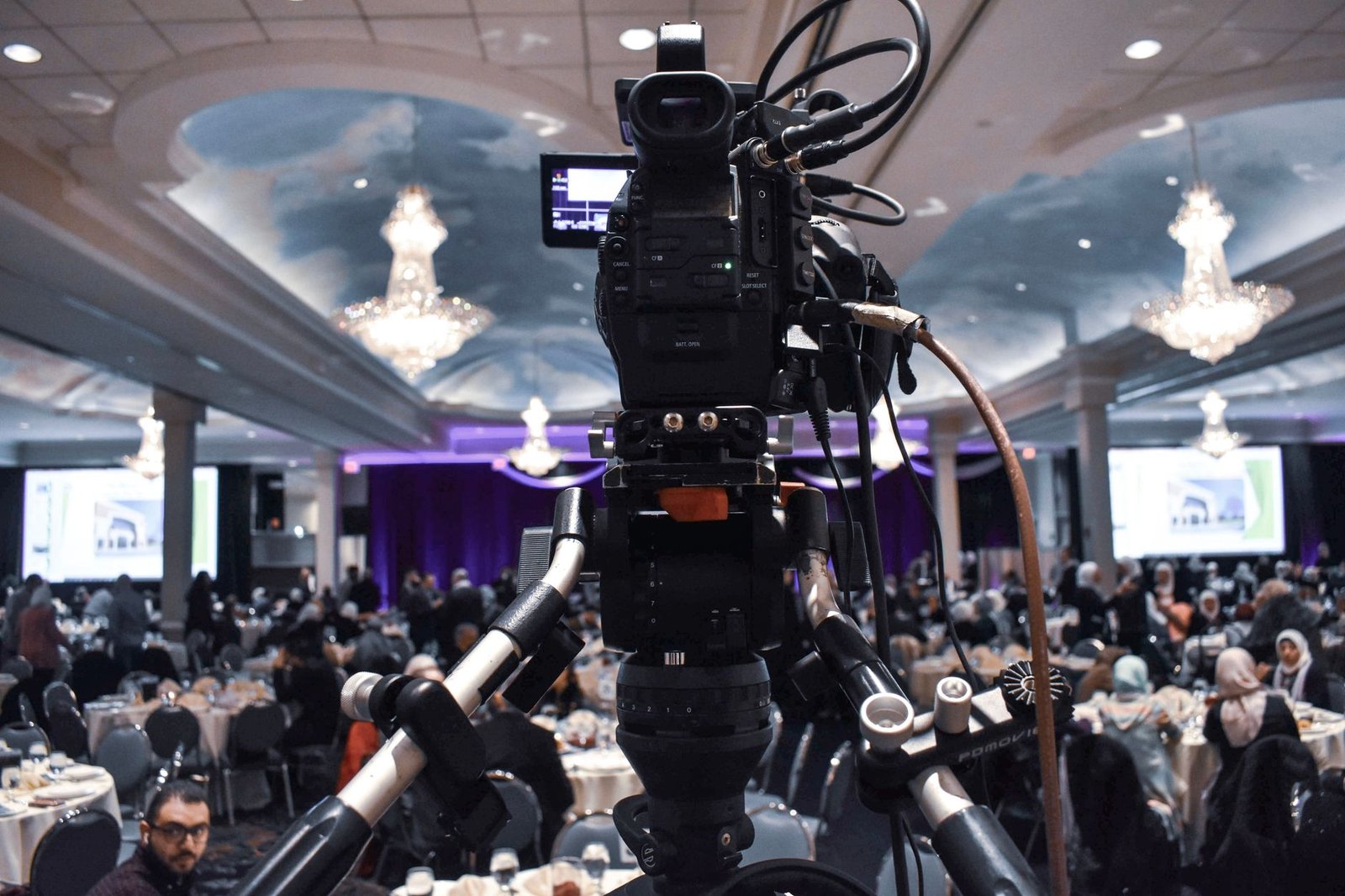
Executing broadcast-grade video production at ETHMilan 2026 — Milan, Italy requires direct coordination between venue electrical constraints, acoustic challenges, and rapid post-production workflows. Milan has evolved into a strategic Southern European digital asset hub, drawing over 1,500 builders, corporate sponsors, and venture funds across two intensive days. High-stakes keynote presentations and technical protocol discussions demand reliable capture systems that cannot fail during live delivery. Standard local audiovisual vendors often lack familiarity with Web3 delivery speeds and vertical distribution requirements. Alesia RSVP provides enterprise-tier production support across 22 operational cities, deploying redundant hardware, certified live stream encoders, and on-site editing pods tailored specifically for premier developer summits, corporate exhibitions, and private VIP side gatherings.
AV Infrastructure and Power Management in Historic Milan Venues
Direct electrical load audits must occur at least 30 days prior to load-in at historical venues across Milan. Typical Lombard industrial conversion spaces like BASE Milano, Superstudio Più, or historic palazzos present specific electrical limitations, often capped at 30kW to 60kW per distribution board without dedicated industrial generators. Technical teams must split stage lighting, LED video backdrops, and video production feeds across completely isolated circuits to prevent audio ground hum and dangerous voltage drops. Deploying uncompressed 4K camera packages alongside multi-panel LED volumes requires a steady draw that standard historic utility connections cannot guarantee without power conditioning. In our production portfolio across 200+ events in 30+ countries, maintaining clean power feeds using dual redundant UPS battery systems protects primary hardware encoders and Teradek bonded transmission units from abrupt venue grid fluctuation.
High-ceilinged industrial halls frequently generate severe acoustic reverberation exceeding 2.2 seconds RT60, distorting keynote recordings unless directional point-source audio arrays are deployed. Audio capture mandates dual-redundant digital Dante networking protocols running from Shure Axient digital wireless packs directly into isolated multi-track digital consoles. We enforce strict gain-staging protocols for every technical panelist, capturing pristine vocal tracks while rejecting 85dB ambient floor noise from sponsor exhibition booths. Room architecture in Milanese heritage spaces frequently features hard plaster and exposed brick, requiring specialized cardioid capsule microphones and local baffle placement rather than omnidirectional stage mics. Backing up multi-track raw stems across independent physical media ensures audio assets remain pristine for post-production re-mastering, investor presentations, and developer documentation.
Multi-Camera Stage Capture and Live Streaming Execution
Hardware-based HEVC and SRT streaming encoders deliver sub-second latency and zero frame drops during flagship protocol announcements. Relying solely on local venue Ethernet in Milan routinely causes transmission failures during peak hours, when hundreds of concurrent attendees connect to local cellular masts and Wi-Fi networks. Production teams must bond dedicated synchronous 1Gbps fiber lines with secondary 5G cellular arrays via Teradek bonded cellular interfaces to guarantee 99.99% broadcast uptime. Major protocol announcements covered by media outlets like The Block demand zero broadcast interruptions during high-profile ecosystem reveals. Our technical framework incorporates automated failover switches between primary and secondary hardware encoders, guaranteeing that a sudden ISP blackout in the Porta Genova district never disrupts the live stream transmission to global remote audiences.
Stage monitoring and multi-camera choreography require at least three Sony FX6 or FX9 cinema line bodies managed via an ATEM SDI switcher desk. A designated front-of-house platform houses a long-throw 70-200mm f/2.8 lens for tight speaker close-ups, an off-axis roaming rig on an RS3 Pro gimbal for dynamic wide angles, and a locked wide master shot. Keynote slide feeds must be split directly via hardware DVI/HDMI splitters to capture discrete 1080p60 slide recordings completely separate from the switched live program output. This architecture allows post-production editors to rebuild presentation recordings without obstructed stage angles or low-resolution slide crops. As explored in our breakdown of agency conflict in B2B event production, dedicated production specialists protect project-specific brand assets rather than treating stage capture as a secondary service.
Turnaround Speed: Same-Day Sizzle Reels and Turnkey Assets
Delivering edited video assets within 4 to 6 hours on-site converts live conference traction into real-time digital engagement across global audiences. While traditional event videographers quote 10 to 14 business days for draft deliverables, Tier-1 Web3 foundations require immediate publication during active news cycles. On-site Alesia RSVP post-production teams operate mobile DIT stations equipped with NVMe RAID storage, ingest stations, and dedicated colorists directly adjacent to the main stage. Sizzle reels formatted for X, Farcaster, and LinkedIn drop within 4 hours of the opening keynote, complete with accurate crypto-native terminology, motion-tracked lower thirds, and licensed audio tracks. This rapid turnaround ensures marketing directors capture maximum impression volume before the daily algorithmic engagement window closes.
Long-form stage archives require rigorous 3-2-1 backup protocol execution before the venue strikes stage power each evening. Every camera card is ingested via checksum-verified software onto dual encrypted SSD drives on-site, with a tertiary cold backup mirrored off-site via high-speed upload links. Full keynote and panel recordings receive standardized color grading, mastered multi-track audio leveling, and chapter-marked slide integration for final delivery within 24 to 72 hours. B2B marketing leads receive organized cloud repositories containing high-resolution photography, raw audio stems, vertical 9:16 clips for social reels, and high-definition video files. Providing fully finished marketing collateral within three business days allows protocol marketing teams to pitch venture funds, secure subsequent sponsors, and maintain developer interest while conference momentum remains elevated.
Side Events and Satellite Activations Across Navigli and Brera
Satellite dinners and developer hackathons across Milan require agile, compact camera units capable of operating in low-ambient lighting without disruptive rigs. Peripheral venues in districts like Navigli, Brera, and Isola often feature narrow floor plans, historic flooring, and strict municipal decibel regulations starting after 22:00. Production teams must deploy dual lightweight cinema cameras equipped with fast f/1.4 prime lenses and low-profile LED bi-color panels on C-stands with tennis-ball padding to protect heritage surfaces. Compact crews of two operators capture executive interactions, sponsor activations, and speaker interviews without disrupting VIP conversations. Managing audio in lively private dining rooms requires discrete wireless lavaliers with active noise suppression to isolate executive remarks against background restaurant chatter.
Pop-up podcast studios built directly inside VIP lounges yield evergreen thought-leadership content that outlives the two-day summit schedule. Constructing a modular podcast recording booth requires four Shure SM7B dynamic microphones, an acoustic panel perimeter, broadcast-grade headphone monitoring, and 4K studio cameras framed for two-person interviews. Executives and protocol founders rotate through 15-minute interview slots between stage appearances, generating uncompressed audio and video files ready for rapid distribution. Our teams ensure every side event deliverable aligns with brand guidelines established during mainstage coverage. See our Web3 event coverage at alesiarsvp.com/ethcc.
Frequently Asked Questions
What power redundancy is required for live streaming an event like ETHMilan 2026?
Dual independent power circuits backed by uninterruptible power supplies (UPS) are mandatory. Milanese heritage spaces frequently suffer from voltage instability when lighting and LED walls operate simultaneously. Production hardware encoders and primary network switches must remain on isolated battery-backed circuits capable of providing at least 30 minutes of uninterrupted runtime if venue power trips. Our production crew deploys isolated power distribution units paired with automatic source transfer switches to prevent live stream dropouts during critical conference announcements.
How quickly can sponsors and organizers receive edited video content during ETHMilan?
On-site editors deliver polished sizzle reels within 4 to 6 hours after morning sessions conclude. High-resolution stage photography drops in rolling batches every 2 to 3 hours directly to private media links for instant social media posting. Complete stage sessions, polished panel archives, and vertical short-form clips are delivered within 24 to 72 hours following event teardown via checksum-verified cloud links, fully indexed with presentation slides and balanced audio stems.
Can you provide live streaming in venues with restricted upload bandwidth in Milan?
Bonded cellular hardware solves local network restrictions by aggregating multiple 5G networks alongside local physical lines. If the host venue provides only an unstable commercial line, our engineering teams deploy Teradek bonded transmission encoders utilizing multiple Italian SIM cards (TIM, Vodafone, WindTre) concurrently with the local Ethernet drop. This bonds multiple network pipes into a single resilient transmission channel delivering reliable 1080p60 video directly to YouTube, X, and custom RTMP endpoints without dropped frames.
What is the recommended camera setup for Web3 technical panels at ETHMilan 2026?
A three-camera multi-cam setup utilizing matched cinema bodies such as Sony FX6 units provides optimal coverage. Camera A captures a locked wide shot showing the complete stage, sponsor backdrops, and active presentation screens. Camera B provides a tight, mobile mid-shot on an RS3 Pro gimbal tracking active speakers. Camera C handles long-throw close-ups on panel members. Direct hardware presentation capture devices record uncompressed digital presentation slides independently to guarantee legible technical code snippets during post-production editing.