
Riyadh Flight Freeze: B2B Event Resilience & Dubai Pivots
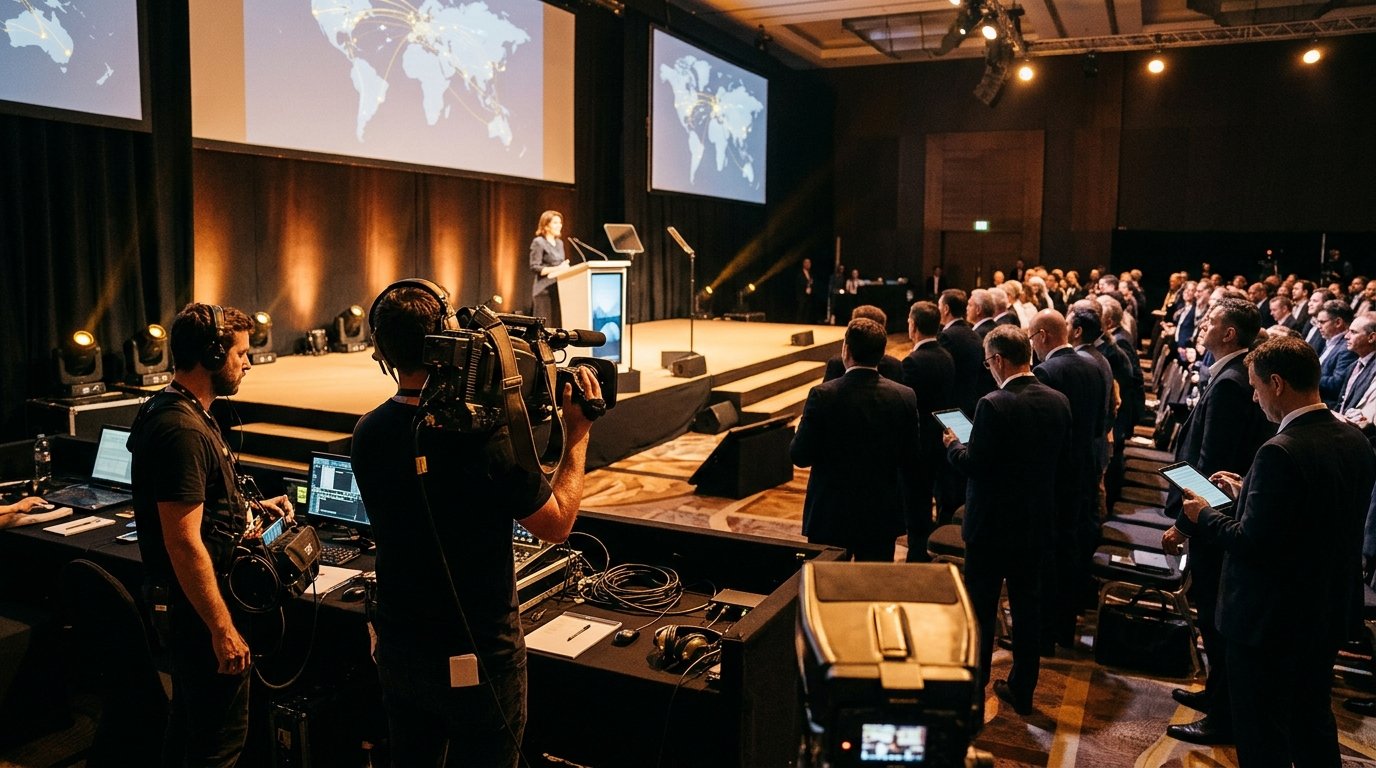
Riyadh Flight Freeze: B2B Event Resilience & Dubai Pivots
The sudden suspension of flight routes to Saudi Arabia is fundamentally reshaping the business tourism landscape in the Middle East. For B2B summit organizers, this flight freeze is more than a logistical hurdle—it is a strategic imperative to relocate to secure, high-tier hubs like Dubai or Abu Dhabi to safeguard ROI and the safety of international delegations.
What are the consequences of the Riyadh flight freeze for the event industry?
The sudden halt of business travel to Riyadh is not merely a logistical challenge; it is a geopolitical shockwave redrawing the map of premium events. As security concerns restrict access to King Khalid International Airport (RUH), Saudi Arabia’s Vision 2030—which aimed to transform the Kingdom into a premier business tourism hub—is facing a critical test. For CMOs, VP Events, and production agencies, reliability is the only currency that truly matters. A corporate summit is not just a meeting; it is a multi-million dollar investment where the Return on Investment (ROI) depends almost exclusively on the physical presence of global decision-makers, investors, and thought leaders.
According to recent analyses from Skift and economic intelligence reports, a major portion of the Saudi event season is now compromised, with massive postponements potentially extending into 2027 for the most ambitious projects. This creates a systemic void in the international calendar, forcing organizers to trigger complex force majeure clauses. Executives often find themselves in logistical deadlocks, forced to transit via road to Bahrain over the King Fahd Causeway or toward Dammam for emergency air extraction. This level of instability is structurally unacceptable for financial institutions, tech giants, and consulting firms that demand total predictability for their corporate events. The risk of high-level speakers canceling due to restricted security protocols or invalidated travel insurance has become a predominant risk factor.
The impact is already felt across the entire value chain: from hotel block bookings to high-end AV production contracts. Agencies that invested heavily in Saudi expansion, hiring local teams and warehousing state-of-the-art equipment in Riyadh, must now pivot or face insolvency. To dive deeper into this crisis and understand the withdrawal mechanisms of major accounts, you can view this LinkedIn discussion on the impact of travel restrictions in Saudi Arabia. It is no longer a question of 'if' events will be moved, but how quickly they can be relocated to preserve brand prestige and human capital safety.
What alternatives exist for B2B event organizers following the Saudi season postponement?
Faced with persistent uncertainty in Saudi skies, event planners are naturally turning toward mature, proven, and secure hubs. The strategic shift to destinations like Dubai has emerged as the most rational and immediate response. Dubai does not just offer geographical proximity to the Saudi market; the city boasts a world-class AV production infrastructure, massive convention centers like the DWTC, and logistical expertise that maintains—and often exceeds—the standards required for G20 or Davos-style international summits. Unlike Riyadh, Dubai offers uninterrupted global connectivity via Emirates and FlyDubai, a non-negotiable factor for delegations arriving from New York, London, Singapore, or Tokyo.
The pivot toward the UAE, or even established European hubs like Paris, London, or Geneva, is becoming the norm for events scheduled for Q4 2024 and throughout 2025. These metropolises are not mere stopgap solutions; they are complete ecosystems where content production—from on-site podcasting to multi-camera 4K live streaming—is already standardized and highly professional. Organizers are now looking to capitalize on venues where crisis management is natively integrated into the service offering. As highlighted in this BizBash article on event crisis management trends, the ability to relocate an event in under 30 days without losing visual quality or attendee engagement has become a major competitive advantage for premium agencies.
At Alesia RSVP, we are seeing a significant surge in production requests for summits originally planned for Riyadh or Neom, now redirected to our centers of excellence in Dubai and Abu Dhabi. The challenge is not just finding an available ballroom, but recreating the exclusive atmosphere and service level originally promised. Whether it’s capturing keynotes from global leaders or producing cinematic-quality aftermovies for social media, the demand for quality remains the only constant parameter. A change in scenery dictated by geopolitics must never result in a drop in visual standing.
How to ensure brand continuity during an emergency event relocation?
Relocating an event on short notice is a critical resilience test for any corporate brand. The primary risk isn't just logistical; it’s communicational. A poorly managed transition can project an image of panic or amateurism. If a summit moves from Riyadh to Dubai in a matter of weeks, the projected image must remain one of flawless execution and total environmental control, not a last-minute rescue mission. This is where visual production and art direction play a decisive role. To maintain prestige, every content element—from editorial photography capturing networking moments to live streaming feeds for remote audiences—must reflect absolute intentionality.
A robust content strategy smooths the geographical transition. By mobilizing expert local production teams who understand the codes of luxury and high-end B2B, brands transform a geopolitical constraint into a narrative opportunity for resilience. Partnering with agencies capable of managing both visual logistics and high-flying AV production is crucial. This ensures brand aesthetics remain consistent, whether the event is held at the Louvre Abu Dhabi, a palace on the Croisette, or an ultra-modern conference center in Dubai. The absolute priority is ensuring that sponsors, partners, and speakers perceive zero degradation in the value of their activation.
Alesia RSVP operates at this delicate intersection of crisis management and creative excellence. As a premium production agency, we secure the visual capture of your most strategic events, ensuring a fluid transition and output quality that honors your leadership position. Our global network allows us to mobilize technical and human resources in record time to offset airport closures or regional instability. We transform crisis management into institutional communication success. Borders may become unpredictable, but your production partner must remain the most stable anchor of your event strategy. We don't just film an event; we protect your brand equity through images that inspire confidence and authority, regardless of the event’s zip code.
FAQ
Why is the Saudi Arabia event season being pushed to 2027?
The postponement to 2027 is a direct consequence of security instability and threats to Riyadh's airport infrastructure. This situation makes insurance for mass-attendance events either prohibitively expensive or impossible to obtain. Organizers are opting for long-term stabilization to guarantee the safety of both investments and participants.
What are the best alternative cities for a corporate event originally planned for the Middle East?
Dubai and Abu Dhabi are the preferred alternatives due to their airport infrastructures (DXB and AUH) remaining among the most connected in the world. For more global or Western-centric delegations, European hubs like London, Paris, and Geneva offer the necessary security and professional AV standards to maintain event prestige.
Frequently Asked Questions
Why is the Saudi Arabia event season being pushed to 2027?
The postponement to 2027 is a direct consequence of security instability and threats to Riyadh's airport infrastructure. This situation makes insurance for mass-attendance events either prohibitively expensive or impossible to obtain. Organizers are opting for long-term stabilization to guarantee the safety of both investments and participants.
What are the best alternative cities for a corporate event originally planned for the Middle East?
Dubai and Abu Dhabi are the preferred alternatives due to their airport infrastructures (DXB and AUH) remaining among the most connected in the world. For more global or Western-centric delegations, European hubs like London, Paris, and Geneva offer the necessary security and professional AV standards to maintain event prestige.