
Informa H1 Growth: Why B2B Live Events Lead the Market
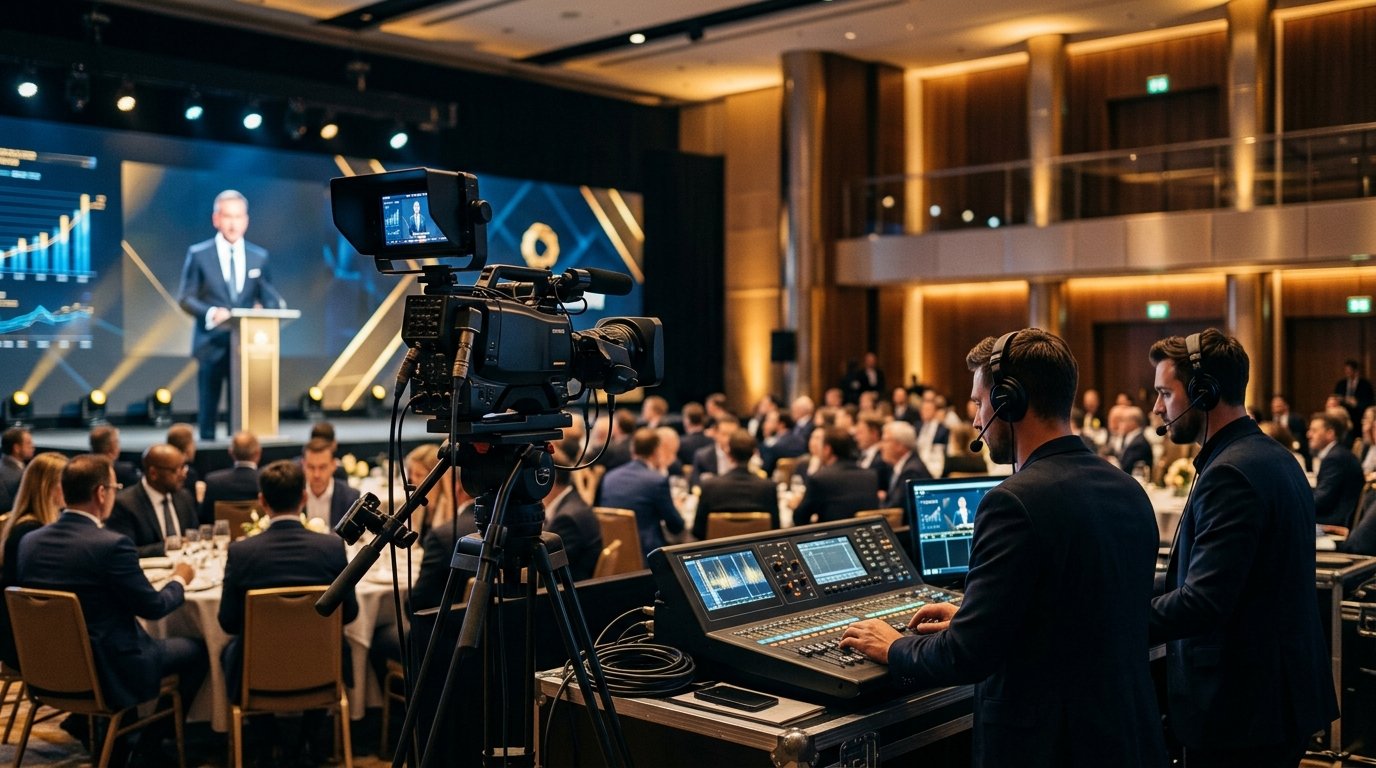
Informa H1 Growth: Why B2B Live Events Lead the Market
Informa PLC reports a 6.8% revenue growth, proving that high-stakes live B2B events are the primary engine for corporate expansion in 2026.
Why are B2B live events driving record revenue growth for global organizers?
With Informa reporting a 6.8% surge in H1 revenue driven by live B2B events, it is clear that the physical stage is once again the ultimate engine for corporate growth. In an era of digital saturation, the prestige and tangible ROI of face-to-face networking have never been more valuable. This isn't just a recovery story; it's a structural shift where high-stakes interaction is the premium currency of the global economy. Informa PLC’s half-year results, showing revenues of £2,063.8m, underscore a fundamental truth: corporate decision-makers are prioritizing physical presence over digital noise. While adjusted operating profit reached £548.3m—down from £578.9m in H1 2025 due to biennial event phasing—the underlying strength of the model remains robust as global markets navigate geopolitical headwinds.
This growth is particularly visible in major financial hubs. For instance, London continues to serve as a cornerstone for these high-value interactions, hosting flagship summits that dictate industry narratives. The results reflect a year-on-year biennial phasing, yet the underlying strength remains undeniable. When 80% of 2026 targeted revenues are already committed or visible through forward bookings, it signals a massive vote of confidence from enterprise clients. They aren't just attending; they are pre-committing capital to ensure their brands remain at the center of the conversation. This level of commitment is rarely seen in pure-play digital marketing, where budgets are often volatile and performance is harder to pin down.
According to recent BizBash Trends: Live Event Market Analysis, the demand for high-production-value environments is at an all-time high. Companies are no longer satisfied with standard trade show booths. They want immersive environments that reflect their brand's stature. Informa’s success is a direct result of owning market-leading brands that provide this level of prestige. For the corporate event professional, this means the bar for production quality has been permanently raised. If the event is the engine of revenue, then the quality of that event is the fuel. Mediocrity is no longer an option when the financial stakes are this high.
How can first-party data and premium content improve event ROI?
Informa’s strongest performance was supported by aggressive investment in first-party data. This is a lesson for every VP of Events: the event itself is a data-generation machine. By capturing who attends, what they watch, and who they talk to, organizers can create a feedback loop that informs every other marketing channel. However, data without content is a missed opportunity. To truly maximize ROI, the insights gathered on-site must be paired with high-end visual storytelling. When an event is captured with editorial-grade photography and cinematic video, it ceases to be a three-day moment and becomes a six-month content strategy. This is how market leaders justify the increasing costs of live production.
First-party data allows for hyper-personalization, but premium content allows for scale. A keynote delivered to 500 people in a room is a success, but a high-quality multi-camera broadcast of that same keynote can reach 50,000 stakeholders globally. This reach is what drives the 'double-digit underlying growth' Informa is targeting for its adjusted diluted EPS. By treating the live event as a broadcast studio, brands can generate a library of assets—from podcasts recorded on-site to highlight reels for social media—that keep the brand top-of-mind long after the breakdown crew has left the building. This strategy is central to how we approach our events, ensuring that every minute of live programming is squeezed for maximum marketing value.
The integration of digital services and live events is no longer a 'hybrid' experiment; it is a core business requirement. As noted in this LinkedIn Discussion: B2B Event Industry Growth, the most successful organizers are those who use digital tools to enhance, not replace, the physical experience. First-party data informs the content strategy, and that content, in turn, drives the data. It is a virtuous cycle that separates the industry titans from the also-rans. For corporate marketing teams, the mission is clear: stop viewing events as an expense and start viewing them as the primary source of high-intent data and premium brand assets.
What are the key trends for large-scale corporate exhibitions in 2026?
The 2026 outlook for the B2B event industry is defined by consolidation and flight to quality. Informa’s increased share buyback program, now at £350m, is a signal that the biggest players see massive value in their own growth trajectory. We are moving away from a fragmented market of small trade shows toward a 'winner-takes-most' scenario where a few flagship summits dominate each sector. These 'mega-events' act as the gravitational center for entire industries, attracting C-suite executives who have limited time and high expectations. The trend is toward fewer, but much higher-quality, engagements. This shift puts immense pressure on production teams to deliver flawless execution.
Another major trend is the resilience of events in emerging markets, despite regional conflicts. Informa noted impact in IMEA markets, yet the overall growth remains robust. This suggests that the need for B2B connection is so strong that it transcends geopolitical instability. For global brands, this means maintaining a consistent presence across Tier 1 cities while being agile enough to navigate shifting regional dynamics. The production value must remain consistent whether the event is in London, Dubai, or Singapore. A brand’s prestige is global; its event production must be too.
As Informa harnesses first-party data and brand strength to dominate the market, Alesia RSVP provides the high-end visual assets that transform these live moments into evergreen marketing powerhouses. We understand that for a corporate event to be successful, it must be documented with the same level of precision used in its planning. From multi-photographer editorial coverage to professional on-site podcast studios, we ensure the prestige of the event is captured and utilized long after the doors close. Our role is to be the visual architects of the ROI that Informa’s data predicts. We don't just record events; we produce the evidence of your brand's leadership.
The trajectory of the B2B event industry is clear: the physical stage is the ultimate platform for revenue, but only for those who invest in quality. As we look toward the remainder of 2026, the focus must be on elevating the attendee experience through superior production and strategic content capture. Decision-makers who fail to invest in the visual and technical caliber of their events will find themselves sidelined by competitors who understand that in a high-stakes economy, perception is reality.
FAQ
What factors contributed to Informa's H1 2026 success?
Informa's success was driven by a 6.8% underlying revenue growth in B2B live events and specialized data services. While adjusted operating profit saw a technical dip to £548.3m due to biennial event phasing, forward bookings remain at record levels, showing strong market confidence.
How is the B2B event market changing in 2026?
The market is shifting toward 'flight to quality,' where high-production flagship events dominate. There is also a significant focus on using first-party data and premium content capture to extend the lifecycle of live events.
Frequently Asked Questions
What factors contributed to Informa's H1 2026 success?
Informa's success was driven by a 6.8% underlying revenue growth in B2B live events and specialized data services. While adjusted operating profit saw a technical dip to £548.3m due to biennial event phasing, forward bookings remain at record levels, showing strong market confidence.
How is the B2B event market changing in 2026?
The market is shifting toward 'flight to quality,' where high-production flagship events dominate. There is also a significant focus on using first-party data and premium content capture to extend the lifecycle of live events.