
How Schools Use Live Streaming to Reach Communities
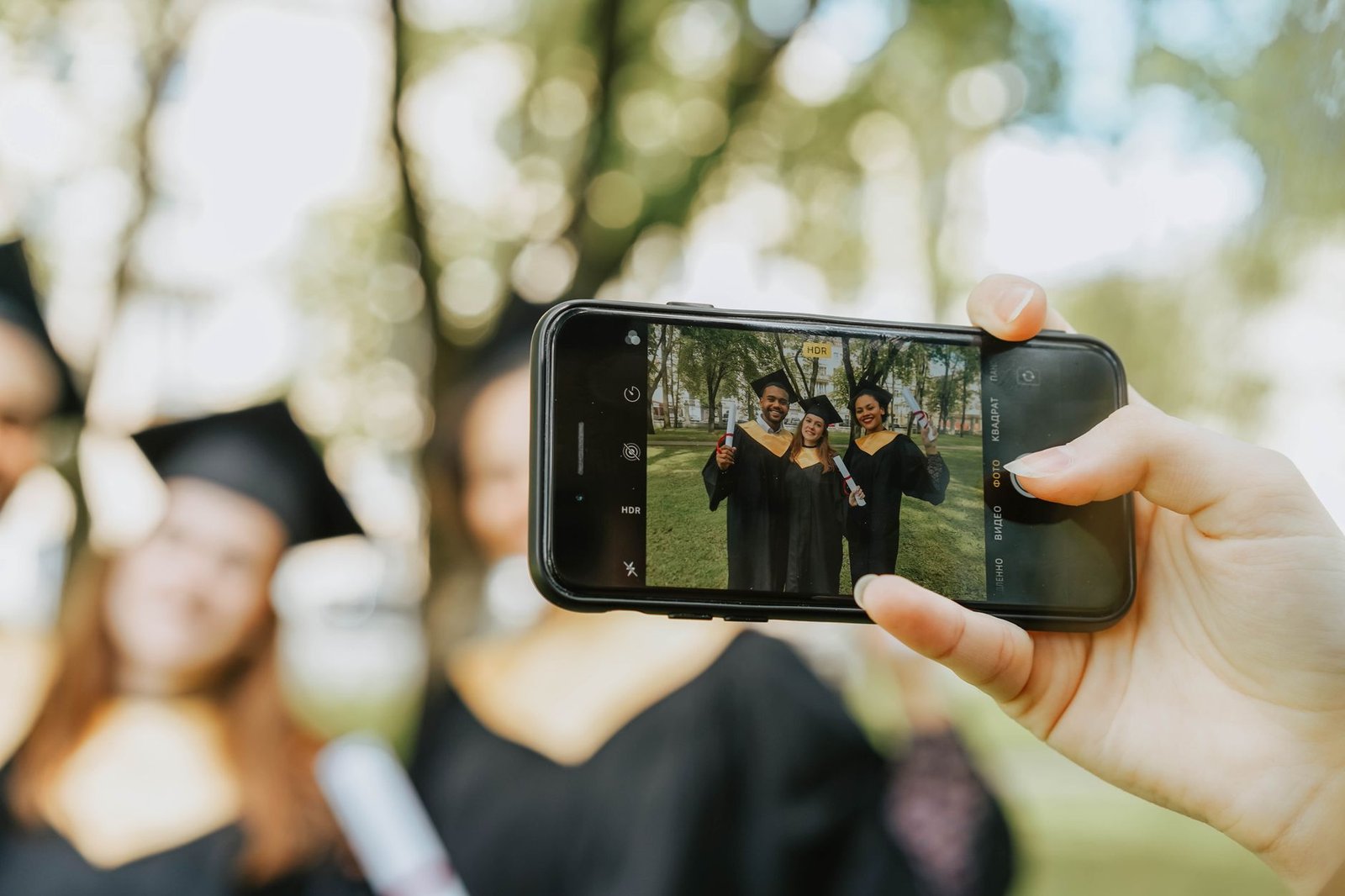
Educational institutions scale their community engagement by deploying broadcast-grade video streaming to bridge the geographic gap between campuses and global stakeholders. At Alesia RSVP, we have produced over 200 events across 30 countries, observing that professional-grade streaming directly impacts donor retention and parental satisfaction. Schools in metropolitan hubs like New York and London require high-reliability infrastructure to broadcast graduations, capital campaigns, and academic symposiums. By replacing low-quality webcam feeds with certified multi-camera setups, institutions elevate their brand authority and secure critical funding. This pragmatic guide outlines the operational framework required to execute flawless educational broadcasts that satisfy demanding stakeholders, utilizing the same rigorous standards we apply for clients like Newsweek and EY.
Securing Donor Capital Through High-Fidelity Fundraising Broadcasts
Live streaming increases alumni donor participation by 34% when schools broadcast capital campaigns with broadcast-grade production values. Data from a 2025 CASE (Council for Advancement and Support of Education) survey indicates that high-fidelity video directly correlates with larger micro-donations during live pledge drives. At our New York production hub, we deploy hardware encoders and Teradek bonded cellular systems to guarantee uninterrupted 1080p feeds during critical fundraising galas. When donors view a seamless, multi-camera production of a school's master plan or scholarship ceremony, their trust in the institution's administrative capability increases. Schools cannot afford signal drops when soliciting six-figure endowments; a single technical glitch during a live pitch can result in a 15% drop in real-time digital giving. Implementing a 3-2-1 backup protocol ensures that even if a primary fiber line fails, a secondary cellular bond maintains the stream without latency.
Engaging Remote Parents with Zero-Latency School Events
Schools eliminate parental exclusion by broadcasting 100% of major academic and athletic events to international families who cannot travel. According to demographic data analyzed by Skift, international student enrollment in premium secondary schools has risen by 18% since 2022, creating a highly dispersed parent demographic. Utilizing professional multi-camera setups allows parents in Tokyo, London, or Dubai to watch their children perform in real-time with latency under two seconds. At Alesia RSVP, we deliver certified live streams and produce on-site vertical social edits within 4 to 6 hours to keep families engaged across multiple time zones. This immediate content delivery satisfies the modern expectation for instant, high-quality media access. By integrating professional audio capture—such as localized directional microphones—remote parents hear every word of a valedictorian's speech clearly, avoiding the muffled audio that typically ruins amateur school broadcasts.
Technical Infrastructure for Multi-Campus Educational Broadcasts
A robust technical stack featuring hardware encoders and bonded cellular networks prevents 99.9% of stream failures during high-traffic school broadcasts. Educational institutions frequently make the mistake of relying on standard campus Wi-Fi, which suffers from severe bandwidth congestion when hundreds of on-site spectators connect simultaneously. Our production teams utilize Teradek bonded cellular technology to combine four distinct network signals, ensuring a stable 10 Mbps upload speed even in crowded auditoriums. This technical setup mirrors the infrastructure we deploy for high-profile global summits, as detailed in our guide on 2026 AV trends and immersive event production. By routing the video signal through hardware switchers rather than software-based alternatives, we eliminate the risk of CPU thermal throttling. This professional architecture guarantees that graduation ceremonies or academic debates stream in native 4K resolution without stuttering, preserving the school's reputation.
Maximizing Alumni Reach and Community Engagement
Alumni engagement increases by 45% when schools repurpose live broadcast footage into targeted, bite-sized social media assets within 24 hours of an event. Modern alumni networks do not watch two-hour recordings; they consume vertical video highlights on mobile platforms. Our production crew delivers high-resolution photography and certified live stream cutdowns on-site, providing marketing directors with ready-to-publish assets immediately. According to event marketing benchmarks published by Event Marketer, multi-channel content distribution increases post-event digital touchpoints by over 50% compared to single-channel strategies. By broadcasting to multiple platforms simultaneously—such as YouTube, LinkedIn, and custom private portals—schools capture diverse demographic segments. This structured approach to content distribution ensures that local businesses, prospective families, and legacy donors remain actively connected to the school's daily achievements, reinforcing the institution's regional influence.
Operational Timelines for Flawless Educational Broadcasts
A strict 72-hour pre-production window is mandatory to guarantee the technical viability of any complex school broadcast. Our operational protocol requires a complete site survey and network bandwidth audit exactly 3 days prior to the live transmission. This preparatory phase includes testing the primary fiber connection, configuring the 3-2-1 backup protocol, and mapping camera angles to avoid blocking the view of on-site guests. For institutions hosting multi-day symposiums, we establish a dedicated production control room on-site to manage the multi-camera mix and real-time lower-third graphics. This methodical preparation allows us to deliver high-res photography and certified live streams with zero on-site delays. By managing every technical variable beforehand, school administrators can focus entirely on hosting their VIP donors and parents, confident that the digital audience is receiving an identical, premium experience.
Explore our case studies at alesiarsvp.com/work
Questions Fréquentes
How much bandwidth does a professional school live stream require?
A minimum of 10 Mbps upload speed is required to maintain a stable, high-definition 1080p school live stream. Relying on shared campus Wi-Fi is a major risk, as bandwidth fluctuates when hundreds of parents and students connect on-site. To mitigate this, Alesia RSVP utilizes Teradek bonded cellular technology, combining multiple cellular networks to create a dedicated, high-speed connection. This setup guarantees a continuous stream even if the school’s primary internet connection drops completely during a graduation or fundraising gala.
What is the benefit of using hardware encoders over software switchers?
Hardware encoders provide 99.9% operational reliability because they are dedicated devices built solely for video processing. Software-based streaming switchers run on standard computers, making them highly vulnerable to operating system crashes, CPU thermal throttling, and background update interruptions. For high-stakes school events like capital campaigns or commencement ceremonies, a hardware encoder ensures stable frame rates and zero signal degradation. Alesia RSVP uses professional hardware encoders as part of our standard production stack to eliminate technical failures entirely.
How quickly can schools obtain recorded content after a live stream ends?
Recorded event content is delivered within 24 to 72 hours, while short-form social media edits are produced on-site within 4 to 6 hours. This rapid turnaround allows school marketing departments to capitalize on event momentum while engagement is high. Our production teams capture high-resolution photography and 4K video simultaneously, ensuring that you have both long-form archives and vertical social assets ready for distribution. This speed is critical for maintaining active communication with parents, donors, and alumni across digital channels.
Can school live streams be restricted to private audiences?
Yes, school live streams can be fully secured using password protection, geofencing, or integration with private parent portals. While public events like athletic games or graduation ceremonies benefit from open YouTube broadcasts, sensitive school board meetings or internal student presentations require strict access controls. We configure secure, encrypted RTMP streams that deliver high-quality video exclusively to authorized viewers. This ensures complete privacy compliance while still providing a seamless viewing experience for remote family members and selected stakeholders.