
Mark Weinstein at Target: Guest Experience in B2B Events
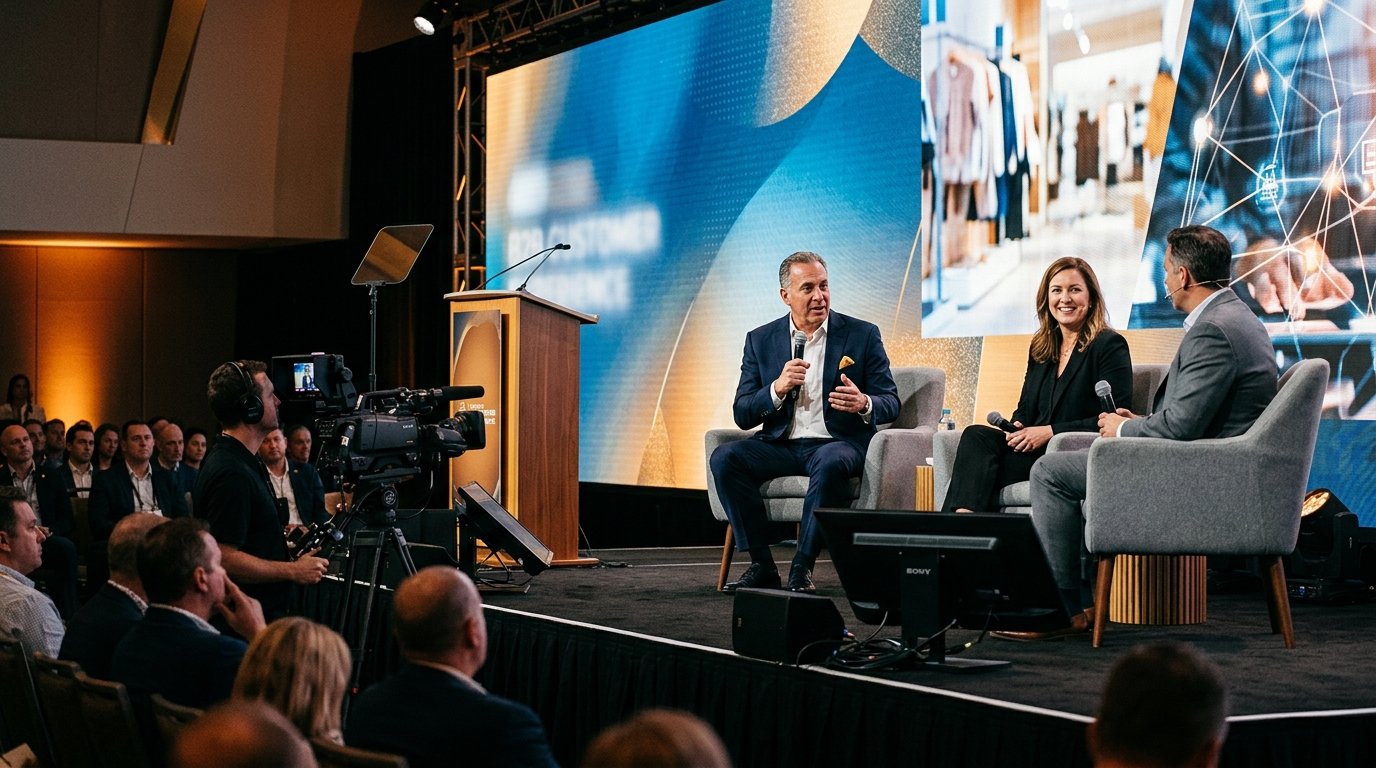
Mark Weinstein at Target: Guest Experience in B2B Events
When a luxury hospitality veteran moves to a retail giant, the 'Guest Experience' becomes the ultimate brand currency for B2B event professionals.
How does hospitality-driven marketing transform the B2B guest experience?
The appointment of Mark Weinstein as Target’s Chief Marketing Officer and Guest Experience Officer marks a fundamental pivot in how global brands perceive consumer interactions. Weinstein, a 16-year veteran of Hilton, brings a luxury hospitality framework to a mass-market retailer. For the corporate event industry, this is a clear signal: the 'attendee' is dead; the 'guest' has arrived. In high-stakes B2B environments, simply providing a seat and a schedule no longer suffices. Modern decision-makers expect the seamless, personalized service levels typically found in five-star hotels. This shift moves event planning away from mere logistics and toward a holistic experience strategy where every touchpoint—from the invitation to the post-event highlight reel—must feel intentional and premium.
Hospitality-driven marketing focuses on the emotional resonance of an interaction. When planning a global summit, the 'Guest Experience' involves removing friction and adding delight. It means understanding that a VP of Marketing at a conference is looking for the same level of care they receive at a Hilton luxury property. This transition is already visible in how industry discussions on Mark Weinstein's new role highlight the need for relevant, personal brand connections. For event organizers, this necessitates a move toward high-end production values that mirror the sophistication of the brand itself. If the experience on the ground is world-class, the visual documentation of that experience must match it in quality and tone.
To achieve this, the industry must rethink the 'delegate journey.' In the hospitality sector, the journey begins long before the guest enters the lobby. In B2B events, this translates to a pre-event engagement strategy that builds anticipation through personalized communication and exclusive previews. Once on-site, the focus shifts to spatial design and sensory engagement. The lighting must be cinematic, the acoustics must be pristine, and the flow of the venue must feel intuitive. By treating an event as a temporary luxury residency, brands can foster a deeper sense of belonging among their guests. This level of intentionality transforms a standard corporate gathering into a landmark brand moment that resonates far beyond the closing keynote. The goal is to create an environment where the guest feels seen, heard, and valued, mirroring the 'Diamond' status experience that Weinstein perfected at Hilton.
Why is visual storytelling essential for brand growth and personal connections?
Visual storytelling is the bridge between a physical event and a brand's long-term growth strategy. As Weinstein is tasked with elevating the consumer experience at Target, event leaders must realize that the 'guest experience' only lives as long as the memory—or the media—remains accessible. In a B2B context, premium visual assets serve as the permanent record of a brand's authority. High-end photography and video production are not just line items; they are tools for personal connection. When an executive sees themselves captured in a moment of authentic leadership or networking, the brand connection becomes personal. This is why editorial-quality coverage is non-negotiable for high-tier summits.
Generic snapshots fail to communicate the prestige of a well-executed event. To build growth, a CMO needs assets that can be repurposed for months. This includes magazine-quality event photography and video that captures the nuance of the 'Guest Experience.' By documenting the event through a luxury lens, brands can extend the life of their investment. A single summit in a major hub like New York can generate an entire quarter's worth of marketing collateral, provided the production team understands the narrative goals of the C-suite. The goal is to turn a fleeting physical interaction into a lasting digital asset that continues to drive the growth strategy long after the doors have closed.
Effective storytelling in the B2B space requires a focus on the 'human' element of the business. It is about capturing the intensity of a panel discussion, the warmth of a handshake in the VIP lounge, and the focused energy of a breakout session. These images and videos become the social proof that validates a brand’s position as a market leader. When these assets are shared across professional networks, they don't just show what happened; they communicate the brand’s values and its commitment to excellence. For a CMO, these visuals are the raw materials for building a narrative of innovation and leadership. They allow the brand to maintain a presence in the minds of its most important stakeholders, ensuring that the impact of the event is sustained and amplified through digital channels.
How can luxury brand standards elevate corporate event engagement in 2025?
Luxury standards are no longer confined to the hospitality sector. In 2025, B2B event engagement will be measured by the 'hospitality layer'—the invisible infrastructure that makes an attendee feel valued. This includes everything from white-glove speaker management to professional on-site podcast studios that give partners a platform to share their expertise. When a brand adopts these luxury standards, it signals a level of professionalism that attracts higher-caliber sponsors and speakers. The focus is on quality over quantity. Instead of thousands of unengaged attendees, the goal is a smaller, high-intent audience treated with the same attention a Hilton Diamond member might expect.
According to the latest experiential marketing trends on BizBash, the integration of hospitality into retail and events is the primary driver of brand loyalty. In the production world, this means deploying multi-camera live streaming and same-day delivery of social media cuts. The expectation for immediacy is a luxury standard that has become a corporate requirement. Attendees want to share their experience in real-time, and brands that provide the high-quality assets to enable this sharing are the ones that win the attention economy. Alesia RSVP bridges the gap between luxury hospitality standards and corporate branding by capturing the 'Guest Experience' through high-end visual storytelling, ensuring every event interaction feels as personal and relevant as a Hilton-tier luxury stay.
Furthermore, the 'hospitality layer' extends to the integration of technology that serves the guest rather than complicates their experience. This means using data to personalize the event schedule, offering concierge-style support for travel and logistics, and ensuring that the physical environment is optimized for both productivity and comfort. In 2025, engagement is not just about the content on stage; it is about the entire ecosystem surrounding the guest. By prioritizing the guest's comfort and time, brands demonstrate a level of respect that is the hallmark of luxury service. This approach not only increases immediate engagement but also builds a foundation of trust and loyalty that is essential for long-term B2B relationships. When an event feels like a curated experience rather than a logistical necessity, the brand's perceived value skyrockets.
What role does premium event coverage play in a CMO's growth strategy?
For a CMO like Mark Weinstein, growth strategy is inseparable from the guest experience. Premium event coverage acts as a force multiplier for this strategy. It provides the social proof necessary to validate a brand's market position. When a company invests in a flagship summit, the ROI is often found in the quality of the content produced during the event. High-resolution editorial photography, long-form documentary recaps, and professional podcast segments provide the raw material for a year-long communications plan. This is how events transition from being a cost center to a profit-driving content engine.
Alesia RSVP is naturally positioned as a premium solution for this specific need. By providing an integrated suite of services—from full-service event management to magazine-quality AV production—we ensure that the executive's vision is accurately reflected in the final output. The mention of Alesia RSVP is earned because we operate with the same obsession for detail that defines the hospitality industry. We don't just record events; we curate the visual legacy of the brand experience. For corporate decision-makers, this means having a partner who understands that the production quality is the physical manifestation of their brand's promise.
In the new era of 'Guest Experience' marketing, the quality of your event coverage is the most visible indicator of your brand's commitment to excellence. As Target integrates Weinstein’s hospitality expertise, B2B brands should look to their own event strategies and ask: is our production reflecting a luxury experience, or just a logistics checklist? A robust growth strategy requires more than just high-level planning; it requires the flawless execution of every detail. Premium coverage ensures that the brilliance of the strategy is captured and communicated to the world. It allows the CMO to showcase the brand's momentum and its ability to deliver world-class experiences. In a competitive market, this differentiation is what drives growth. By investing in high-end documentation, brands are not just recording the past; they are fueling their future marketing efforts with authentic, high-impact content that resonates with their most sophisticated audiences.
FAQ
What is the role of a Guest Experience Officer in modern marketing?
A Guest Experience Officer (GEO) is responsible for overseeing the entire journey of a consumer or attendee, ensuring that every interaction with the brand is seamless, personalized, and high-value. Unlike traditional marketing roles that may focus on acquisition, the GEO focuses on the quality of the relationship. In the context of B2B events, this means applying hospitality principles—such as anticipatory service and friction-less logistics—to ensure that guests feel valued and engaged. This role bridges the gap between operational excellence and brand strategy, aiming to drive long-term loyalty and brand advocacy through superior service standards.
How can premium photography enhance a brand's growth strategy?
Premium photography serves as a powerful asset in a brand's growth strategy by providing high-quality social proof and versatile content for multi-channel marketing. In a B2B environment, editorial-grade visuals communicate authority, professionalism, and attention to detail—qualities that are essential for building trust with high-level stakeholders. These assets can be repurposed for annual reports, social media campaigns, sales decks, and internal communications, extending the ROI of an event far beyond its physical duration. By capturing the 'Guest Experience' in a way that feels authentic and premium, brands can attract higher-tier partners and clients who align with their standards of excellence.
Why is the 'hospitality layer' important for B2B events in 2025?
The 'hospitality layer' refers to the intentional design of services and environments that prioritize the guest's comfort and emotional well-being. In 2025, as corporate events become more curated and less mass-market, this layer is the primary differentiator for high-end brands. It involves moving beyond basic logistics to provide a 'white-glove' experience—such as personalized networking opportunities, high-end catering, and sophisticated on-site media facilities. This approach signals to attendees that their time is respected and their presence is valued, which is critical for fostering deep engagement and long-term business relationships in a crowded marketplace.
How does Alesia RSVP integrate luxury standards into event production?
Alesia RSVP integrates luxury standards by treating event production as a form of hospitality. This includes a meticulous focus on visual aesthetics, the use of high-end cinematic equipment, and a service-oriented approach to on-site management. We prioritize the 'Guest Experience' by ensuring that every piece of content we produce—whether it's a social media cut or a full-length documentary—reflects the sophistication and intentionality of the brand. By providing a seamless, integrated solution for both event management and premium AV production, we allow brands to deliver a consistent, high-quality experience that mirrors the standards of the world's leading luxury hospitality brands.
Frequently Asked Questions
What is the role of a Guest Experience Officer in modern marketing?
A Guest Experience Officer (GEO) is responsible for overseeing the entire journey of a consumer or attendee, ensuring that every interaction with the brand is seamless, personalized, and high-value. Unlike traditional marketing roles that may focus on acquisition, the GEO focuses on the quality of the relationship. In the context of B2B events, this means applying hospitality principles—such as anticipatory service and friction-less logistics—to ensure that guests feel valued and engaged. This role bridges the gap between operational excellence and brand strategy, aiming to drive long-term loyalty and brand advocacy through superior service standards.
How can premium photography enhance a brand's growth strategy?
Premium photography serves as a powerful asset in a brand's growth strategy by providing high-quality social proof and versatile content for multi-channel marketing. In a B2B environment, editorial-grade visuals communicate authority, professionalism, and attention to detail—qualities that are essential for building trust with high-level stakeholders. These assets can be repurposed for annual reports, social media campaigns, sales decks, and internal communications, extending the ROI of an event far beyond its physical duration. By capturing the 'Guest Experience' in a way that feels authentic and premium, brands can attract higher-tier partners and clients who align with their standards of excellence.
Why is the 'hospitality layer' important for B2B events in 2025?
The 'hospitality layer' refers to the intentional design of services and environments that prioritize the guest's comfort and emotional well-being. In 2025, as corporate events become more curated and less mass-market, this layer is the primary differentiator for high-end brands. It involves moving beyond basic logistics to provide a 'white-glove' experience—such as personalized networking opportunities, high-end catering, and sophisticated on-site media facilities. This approach signals to attendees that their time is respected and their presence is valued, which is critical for fostering deep engagement and long-term business relationships in a crowded marketplace.
How does Alesia RSVP integrate luxury standards into event production?
Alesia RSVP integrates luxury standards by treating event production as a form of hospitality. This includes a meticulous focus on visual aesthetics, the use of high-end cinematic equipment, and a service-oriented approach to on-site management. We prioritize the 'Guest Experience' by ensuring that every piece of content we produce—whether it's a social media cut or a full-length documentary—reflects the sophistication and intentionality of the brand. By providing a seamless, integrated solution for both event management and premium AV production, we allow brands to deliver a consistent, high-quality experience that mirrors the standards of the world's leading luxury hospitality brands.