
Neuroplaces London: Shaping Neuro-Inclusive Event Design
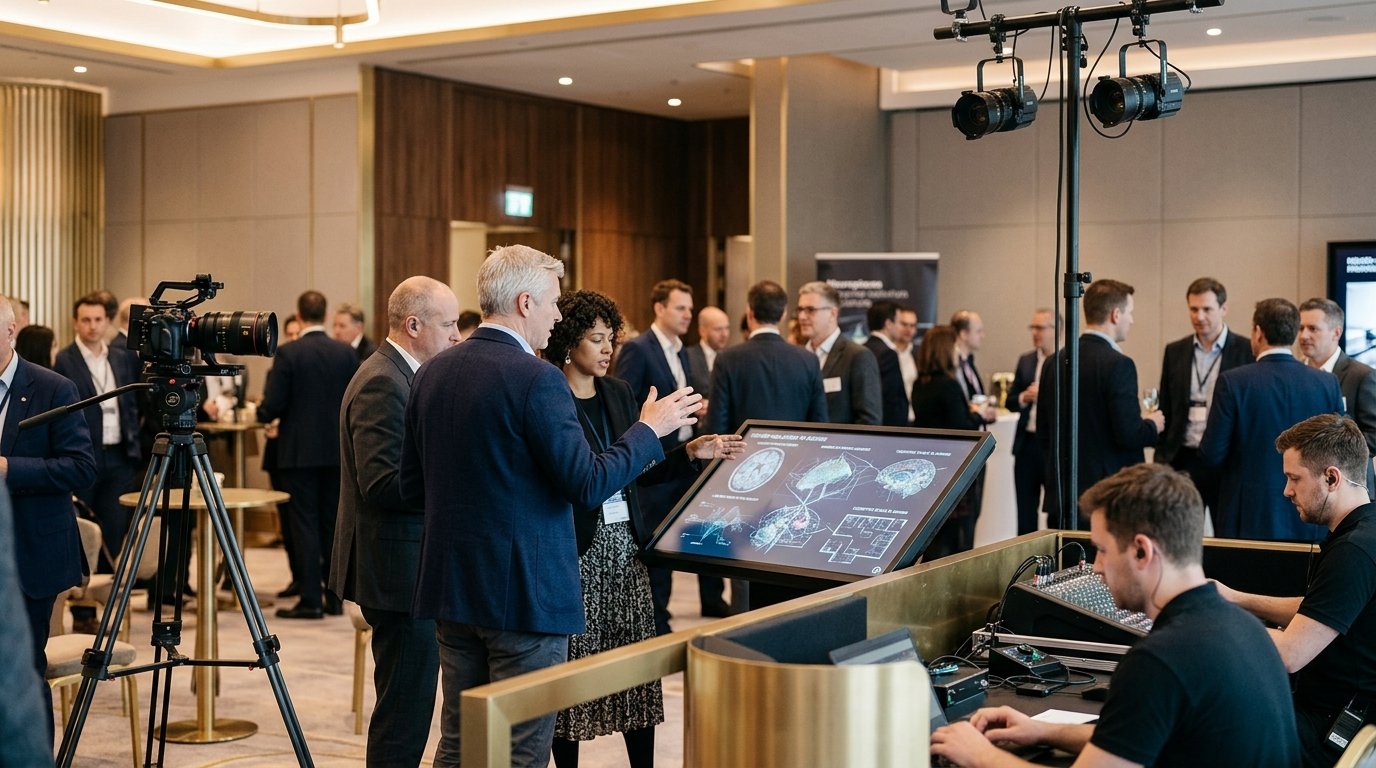
Neuroplaces London: Shaping Neuro-Inclusive Event Design
Accessibility has evolved far beyond physical ramps. Neuroplaces London is setting a new global benchmark for event design through sensory comfort and cognitive inclusion.
How Neuro-Inclusive Design is Revolutionizing the B2B Event Experience
In the modern professional landscape, inclusion has moved beyond ADA or DDA physical compliance; it is now sensory and cognitive. Historically, conference organizers have tended to overwhelm the senses: aggressive LED lighting, echoing acoustics, and chaotic foot traffic have been the industry standard. However, for the 15% to 20% of the global population identifying as neurodivergent (including Autism, ADHD, Dyslexia, and Dyspraxia), these environments aren't just uncomfortable—they are exclusionary. Neuroplaces, held at Shoreditch’s Protein Studios in London, represents a radical shift. As the first B2B exhibition dedicated entirely to neuro-inclusive and accessible design, it proves that cognitive wellbeing is now a central pillar of high-level event strategy.
For CMOs and premium event planners, ignoring neurodiversity means knowingly excluding some of their most qualified and creative audience members. The human brain processes millions of stimuli per second, but filtering capacity varies significantly between individuals. According to data highlighted in Tendances de l'industrie événementielle sur BizBash, the physical environment directly impacts information retention, networking quality, and ultimately, delegate satisfaction. Neuroplaces offers a deep dive with over 55 exhibitors specializing in ergonomic furniture, precision acoustics, assistive tech, and intuitive wayfinding. This isn't just a trade show; it’s a living lab designed to establish future industry standards.
The conference program, featuring 34 dedicated sessions, tackles complex themes such as sensory design, embedding inclusion into corporate culture, and the impact of architecture on mental health. International experts like Jean Hewitt from Buro Happold (a leader in BSI inclusive design standards) and Amy Edgar from Transport for London (TfL) provide the technical depth required for such a shift. For corporate decision-makers, understanding these dynamics allows them to transform a standard summit into a memorable, respectful experience. By investing in environments that reduce cognitive load, brands ensure a much higher human and professional ROI, fostering authentic interactions rather than exhausted badge-scanning under harsh fluorescent lights.
The challenge also lies in rethinking the attendee journey from the first touchpoint. Queue management, clear instructions, and even room temperature play crucial roles. At Neuroplaces, every detail is scrutinized: from the texture of booth materials to the refresh rate of digital signage. This holistic approach minimizes 'event burnout'—the exhaustion that often hits attendees after just a few hours. By creating a space where everyone feels psychologically safe, organizers unlock the audience's full intellectual potential, allowing for optimal absorption of brand messaging and technical content.
Best Practices for Hosting Accessible Events in London & Beyond
London has emerged as the ideal testing ground for these new design standards. Choosing Shoreditch—the epicenter of UK creativity and innovation—is a strategic move. Organizing a major event in London requires a sophisticated understanding of local infrastructure, which is often historic and constrained, alongside the expectations of a highly demanding international audience. To successfully transition toward neuro-inclusion, planners must look beyond basic logistics. This begins with inclusive signage using clear pictograms and tested color contrasts, as well as adopting communication systems like the 'Sunflower Lanyard' to discreetly indicate social interaction preferences.
A frequently overlooked aspect in Corporate Events London is the implementation of 'reset lounges' or decompression zones. Neuroplaces tests these concepts in real-world conditions, offering quiet, low-lit, acoustically dampened spaces where participants can process information without sensory overload. These are not merely waiting rooms; they are environments crafted by specialist scenographers who understand the impact of textures, scents, and sounds on the autonomic nervous system. Utilizing modular furniture and sound-absorbing partitions allows for the creation of micro-environments within a large hall, providing essential flexibility.
The involvement of local authorities signals the growing importance of this movement. The presence of Neil Smith, the Mayor of London’s accessibility lead, underscores the political and social weight of these initiatives. As London aims to become the world's most accessible city, the event sector is at the forefront. Companies adopting these practices now position themselves not only as ethical leaders but as operational pioneers. This theme is currently driving significant engagement in this discussion sur l'inclusion dans l'événementiel (LinkedIn), confirming that cognitive accessibility is the new benchmark for excellence in international summits.
In practice, executing such an event in London requires tight coordination with vendors. Caterers must provide allergen-free and low-aroma options; AV technicians must avoid strobes or high-frequency sounds; and front-of-house staff must be trained in neuro-awareness. Training teams in 'neuro-competency' is becoming a major asset for field staff. By anticipating specific needs, organizers prevent unnecessary stress and ensure a seamless experience from registration to departure.
Documenting Inclusive Events: The Art of Discreet Visual Storytelling
Capturing imagery at a neuro-inclusive event presents a unique technical and ethical challenge. How do you produce high-quality photo and video coverage—essential for post-event marketing—without becoming a source of stress or distraction for sensitive participants? At Alesia RSVP, we believe the excellence of a premium event lies in the invisible details. Documenting an environment designed for sensory comfort requires absolute discretion and an aesthetic that enhances the space without disrupting it. An intrusive photographer or a bulky video crew can instantly shatter the atmosphere of safety and calm carefully built by the organizers.
Technical precision is paramount here. The use of mirrorless cameras with completely silent electronic shutters is a requirement, not an option. Eliminating intrusive flashes by using high-sensitivity sensors and wide-aperture lenses respects the low-light ambiance often preferred in these settings. Long focal lengths allow operators to remain at a distance, capturing the essence of networking and participant emotion without invading personal space. It is about prioritizing natural light and strictly respecting 'quiet zones' or 'reset lounges' where cameras should be either non-existent or extremely limited and clearly marked. This approach ensures the content reflects the authenticity of the experience while respecting the integrity of the inclusive environment. You can see this technical mastery in our Galerie Photo & Video, where discretion serves the narrative quality.
Choosing Alesia RSVP as a production partner for these events offers peace of mind for organizers. We understand that visual content must serve the story of inclusion, not compromise it. This also extends to post-production: avoiding rapid-fire editing or saturated soundtracks that could be aggressive for neurodivergent audiences viewing the recap. By documenting Neuroplaces initiatives with this sensitivity, we help brands amplify their commitment to inclusion while maintaining the highest standards of professional aesthetics.
FAQ
What defines a neuro-inclusive event?
A neuro-inclusive event is designed to accommodate the sensory and cognitive needs of all attendees, including those with Autism, ADHD, or Dyslexia, by managing lighting, sound, and spatial flow.
Why is the London Shoreditch area significant for this movement?
Shoreditch is a global hub for innovation and design, making it the ideal location for Neuroplaces to showcase how creative industries can lead on social and cognitive accessibility.
How can event photography be sensory-friendly?
By using silent shutters, avoiding flash, and employing long lenses to maintain physical distance, photographers can capture high-quality content without triggering sensory sensitivities.
Questions Fréquentes
What defines a neuro-inclusive event?
A neuro-inclusive event is designed to accommodate the sensory and cognitive needs of all attendees, including those with Autism, ADHD, or Dyslexia, by managing lighting, sound, and spatial flow.
Why is the London Shoreditch area significant for this movement?
Shoreditch is a global hub for innovation and design, making it the ideal location for Neuroplaces to showcase how creative industries can lead on social and cognitive accessibility.
How can event photography be sensory-friendly?
By using silent shutters, avoiding flash, and employing long lenses to maintain physical distance, photographers can capture high-quality content without triggering sensory sensitivities.