
NY Polymarket Lawsuit: Impact on Web3 Events & Production
NY Polymarket Lawsuit: Impact on Web3 Events & Production
As New York takes legal action against Polymarket, the ripple effects are felt far beyond the trading floor—straight into the heart of high-stakes corporate event planning.
How does the Polymarket lawsuit impact the future of Web3 events in New York?
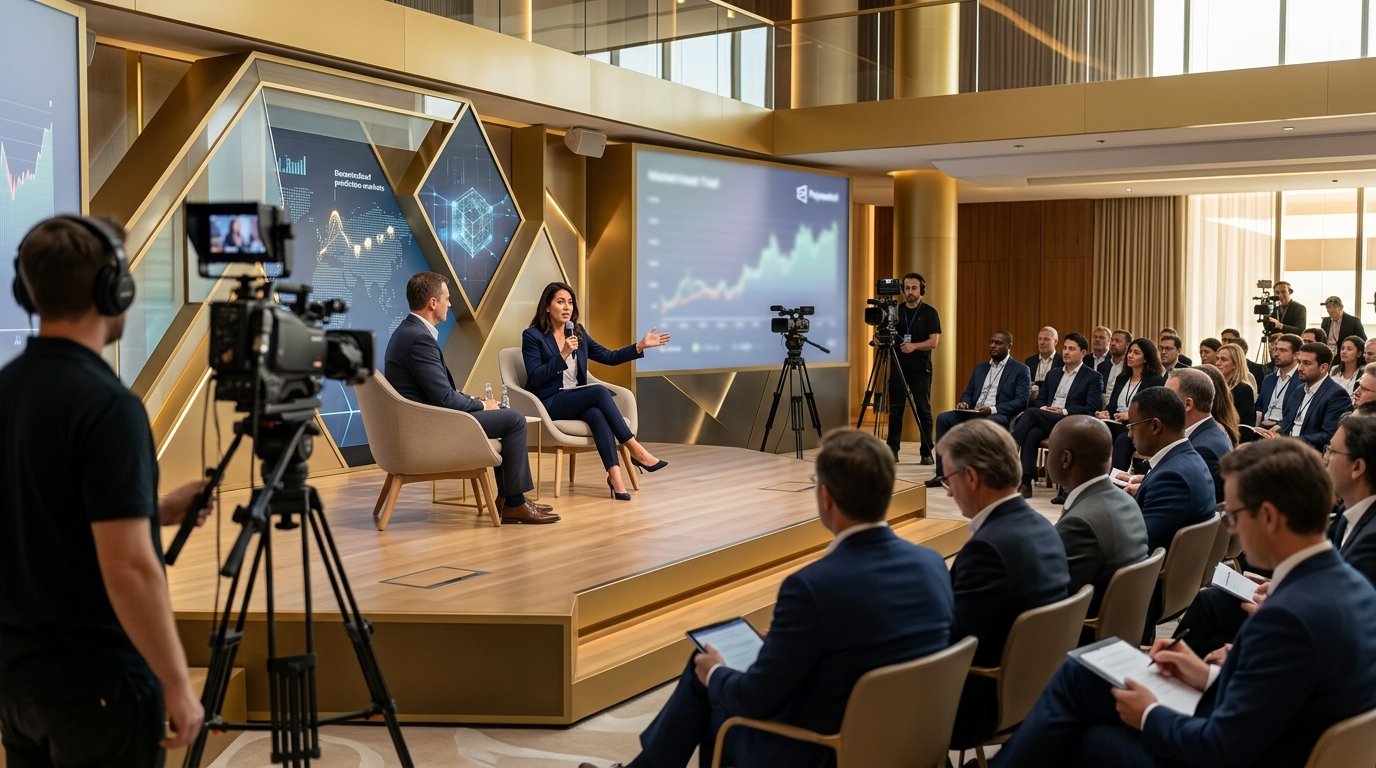
The impact of the Polymarket lawsuit on the future of Web3 events in New York cannot be overstated. New York is a Tier 1 city for Alesia RSVP, and our work at Corporate Events New York has shown that the city’s regulatory stance sets the tone for the global market. When the Attorney General moves against a major platform, it creates an immediate sponsorship vacuum. High-tier conferences like Consensus 2026 must now vet their exhibitor lists with a level of scrutiny previously reserved for traditional banking partners. Event organizers are no longer just looking for the biggest check; they are looking for the least amount of legal exposure. The presence of a 'gambling' entity on a floor plan can jeopardize the participation of enterprise-level sponsors like major consulting firms or legacy financial institutions. We are moving toward an era where event compliance is as important as the speaker lineup. The visual narrative of these events must reflect this shift—moving away from the 'crypto-bro' aesthetic toward a more buttoned-up, corporate-grade environment that signals maturity and regulatory awareness.
The lawsuit filed by New York Attorney General Letitia James against the operators of Polymarket is not merely a legal dispute over licensing; it is a signal to the entire B2B event ecosystem that the era of unregulated fintech activations is over. For marketing directors and VP Events, this move transforms a popular engagement tool into a significant compliance liability. The state’s allegation—that Polymarket is running an unlicensed gambling business—targets the core of prediction markets. These platforms have become staples at major tech and finance summits, often used to drive attendee engagement through live 'betting' on industry outcomes or speaker performance. By seeking restitution and a total block on operations, New York is forcing a radical reassessment of how 'gamification' is integrated into professional conferences. This regulatory pressure forces a pivot in how we design the physical spaces of these events. Instead of high-energy 'trading floors' that mimic the aesthetics of a casino, we are seeing a return to the 'Institutional Summit' model. This means more focus on structured networking, policy-driven panel discussions, and a production style that emphasizes intellectual capital over speculative hype. Organizers must now consider the optics of every activation, ensuring that nothing could be misconstrued by regulators as facilitating unlicensed financial activity. The 'New York standard' is becoming the global standard for event safety, and those who fail to adapt risk losing their most valuable corporate partnerships.
Why is professional visual documentation required during periods of industry regulatory scrutiny?
Professional visual documentation is a requirement during periods of industry regulatory scrutiny. When an industry is under fire, the imagery that survives the event defines the public and legal perception of that sector. Low-quality, candid snapshots of people 'betting' on screens can be used to support a narrative of unlicensed gambling. Conversely, premium, editorial-style photography focuses on the intellectual exchange, the high-level networking, and the professional atmosphere of the summit. At Alesia RSVP, we understand that our cameras are not just capturing moments; they are building a brand's defense. For events facing legal shifts, our multi-photographer editorial coverage provides a comprehensive record of the event’s professional conduct. This is why decision-makers look for BizBash: Trends in regulatory compliance for events to understand how to protect their brand through better production choices.
High-end video recaps and aftermovies should emphasize the 'Summit' aspect of the gathering, highlighting keynotes and panel discussions on policy and infrastructure rather than the speculative elements of the technology. The bridge between a 'crypto meetup' and a 'corporate summit' is built through production quality. When the legal environment becomes hostile, the visual evidence of your event must scream 'institutional grade.' This means investing in multi-camera live streaming for compliance panels and ensuring that every photograph reflects the seriousness of the participants. In the context of the New York lawsuit, the visual record becomes a form of corporate insurance. If an event is accused of hosting inappropriate activations, the ability to produce a high-fidelity archive of the actual proceedings—showing the educational and professional nature of the engagement—is invaluable. Our approach involves a 'Visual Audit' prior to the event, where we identify potential optical risks and ensure our production team is briefed on the specific narrative goals of the brand. This level of intentionality is what separates a standard production vendor from a strategic partner. We focus on the 'Executive Portraiture' of the speakers and the 'Architectural Documentation' of the venue to ensure the event is framed as a serious industry milestone. By prioritizing these high-standard visual assets, organizers can effectively distance their brand from the 'wild west' reputation that often plagues the Web3 space during regulatory crackdowns.
What are the risks of hosting prediction-based activations at corporate events?
The risks of hosting prediction-based activations at corporate events are now quantifiable. Beyond the direct threat of a lawsuit, there is the risk of alienating a corporate audience that demands stability. If an event app includes a prediction market component that New York law deems 'illegal gambling,' the event organizer becomes an accessory to that operation. This is a nightmare for corporate communications leads. The pivot is clear: event organizers must replace monetary-based prediction tools with data-driven insight platforms. Instead of betting on outcomes, attendees should be invited to forecast trends using non-monetary metrics that feed into a larger white paper or industry report. This maintains engagement without the legal baggage.
As discussed in recent LinkedIn discussion on Polymarket legal challenges, the industry is shifting toward a 'compliance-first' engagement strategy. Furthermore, the reputational risk extends to the sponsors themselves. A Tier 1 bank will not want their logo appearing on a step-and-repeat next to a platform accused of running illegal gambling operations. The fallout from the Polymarket lawsuit will likely lead to a new standard in event contracts, where 'moral turpitude' and 'regulatory compliance' clauses are expanded to cover prediction market activities. This shift also impacts the physical layout of the event. We are seeing a move away from 'gamified' booths toward 'consultative' lounges. The goal is to facilitate deep-dive conversations rather than quick-hit interactions. For the production team, this means designing spaces that support long-form content capture—such as dedicated podcast studios or interview nooks—rather than flashy, screen-heavy activations that might trigger regulatory red flags. The risk management strategy for modern events must include a thorough vetting of all third-party tech integrations. If a vendor provides a 'fun' betting tool for the audience, the legal department must now ask: Does this constitute a bucket shop? Is this an unlicensed commodity? By asking these questions early, event planners can avoid the catastrophic reputational damage of being associated with a state-level investigation. The focus must remain on creating a 'safe harbor' for innovation, where the technology is demonstrated within a framework of professional responsibility.
How can event organizers maintain a premium brand image amidst legal industry shifts?
Maintaining a premium brand image amidst legal industry shifts requires a partner who understands the stakes. Alesia RSVP provides the visual anchor that keeps a brand grounded when the industry is volatile. Our dual expertise in event management and AV production means we don't just 'show up and shoot'—we consult on how the visual output aligns with the brand’s long-term corporate standing. Whether it is a town hall in London or a major summit in New York, our focus remains on executive storytelling and professional-grade production. The Polymarket case is a reminder that the environment in which an event takes place is just as important as the content itself. By choosing a premium production partner, event organizers ensure that their visual legacy is one of professionalism and quality, regardless of the regulatory challenges facing individual sponsors.
The future of B2B events in the fintech and Web3 space belongs to those who can balance innovation with the rigorous standards of corporate excellence. We mention Alesia RSVP naturally here because our approach to 'magazine-quality' output is designed for exactly this type of high-stakes environment. When the news cycle is dominated by lawsuits, your event’s visual content must be beyond reproach. This involves a commitment to 'High-Fidelity Production'—using cinema-grade cameras, professional lighting design, and meticulous sound engineering to ensure that every piece of content produced at the event reflects a premium standard. This level of quality acts as a psychological buffer; it signals to the audience and the regulators that the event is a serious, well-capitalized, and professional endeavor. Furthermore, the curation of the 'After-Action Report' or the 'Event Recap' becomes a strategic asset. Instead of a generic montage, we produce documentary-style features that highlight the industry's progress and its commitment to solving complex problems. This narrative-driven approach helps to redefine the brand in the eyes of the public, moving it away from the volatility of the headlines and toward a position of industry leadership. In New York, where the legal landscape is particularly challenging, the ability to maintain a 'clean' and 'institutional' brand image is the ultimate competitive advantage. Conclusion: The Polymarket lawsuit is a wake-up call for New York event planners. It is time to prioritize production partners who understand that in the corporate world, image and compliance are inseparable. By investing in high-end visual documentation and a compliance-focused event strategy, brands can navigate the current regulatory storm and emerge as the new leaders of the fintech ecosystem.
FAQ
How does legal uncertainty affect event attendance in the tech sector?
Legal uncertainty typically shifts the attendee demographic. While it may deter casual retail participants or smaller startups with lower risk tolerance, it often increases attendance from legal, compliance, and institutional professionals who need to understand the regulatory impact firsthand. This creates a more 'senior' and 'corporate' audience profile, necessitating a higher standard of production and more sophisticated networking environments.
What are the best alternatives to prediction markets for event engagement?
The best alternatives focus on 'Insight Gathering' rather than 'Speculative Betting.' Organizers are increasingly using real-time sentiment analysis, non-monetary trend forecasting, and interactive white-boarding sessions. These methods provide the same high level of engagement and data collection without the legal risks associated with unlicensed gambling or commodity trading.
Why is New York's regulatory stance so influential for global events?
New York is the global hub for finance and law. When the NY Attorney General takes action, it often serves as a blueprint for other jurisdictions. For event organizers, adhering to New York's strict compliance standards ensures that their event model is 'future-proofed' for other major markets like London, Singapore, or Dubai.
Frequently Asked Questions
How does legal uncertainty affect event attendance in the tech sector?
Legal uncertainty typically shifts the attendee demographic. While it may deter casual retail participants or smaller startups with lower risk tolerance, it often increases attendance from legal, compliance, and institutional professionals who need to understand the regulatory impact firsthand. This creates a more 'senior' and 'corporate' audience profile, necessitating a higher standard of production and more sophisticated networking environments.
What are the best alternatives to prediction markets for event engagement?
The best alternatives focus on 'Insight Gathering' rather than 'Speculative Betting.' Organizers are increasingly using real-time sentiment analysis, non-monetary trend forecasting, and interactive white-boarding sessions. These methods provide the same high level of engagement and data collection without the legal risks associated with unlicensed gambling or commodity trading.
Why is New York's regulatory stance so influential for global events?
New York is the global hub for finance and law. When the NY Attorney General takes action, it often serves as a blueprint for other jurisdictions. For event organizers, adhering to New York's strict compliance standards ensures that their event model is 'future-proofed' for other major markets like London, Singapore, or Dubai.