
ETHMilan 2026 Video Production and AV Coverage Guide
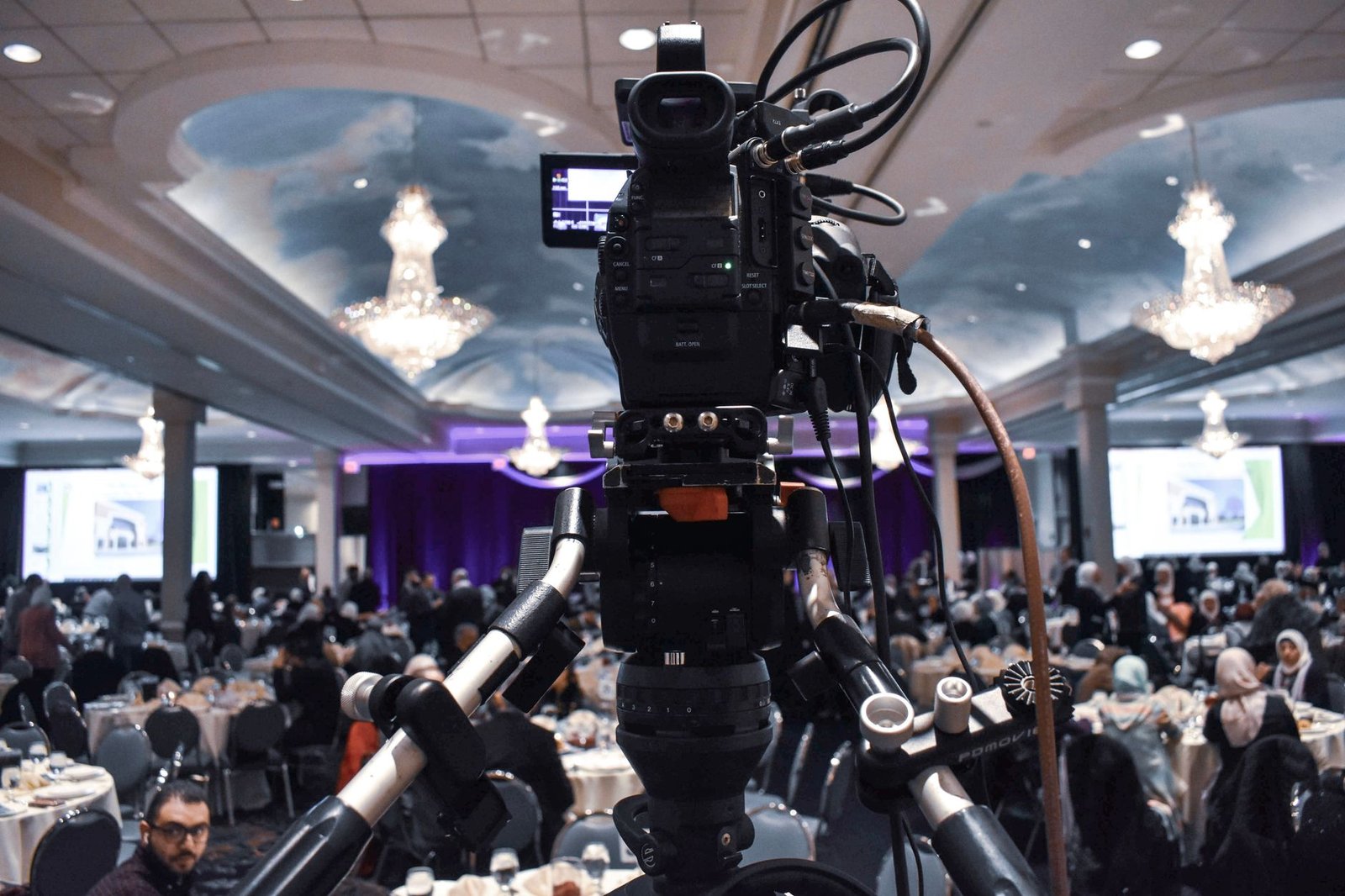
Executing enterprise-grade video capture at ETHMilan 2026 requires accounting for local Italian venue constraints, complex Web3 technical discussions, and aggressive sponsor delivery timelines. Producing over 200 events across 30+ countries shows us that post-event video delivery fails when AV crews operate as detached technical vendors rather than integrated media engines. Web3 conferences demand sub-24-hour turnaround times for keynote soundbites, multi-camera 4K visual tracking for developer panels, and redundant uplink networks capable of running concurrent livestreams without latency spikes. Milan presents specific logistical realities, from historic building radio-frequency dampening to municipal power limits. Managing AV coverage here requires exact hardware configurations, pre-cleared fiber infrastructure, and rapid-edit workflows tailored directly to international enterprise protocols and protocol ecosystems, avoiding standard broadcast pitfalls.
Multi-Camera Production Budgets and Crew Footprints for ETHMilan
Production budgets for enterprise conference coverage at ETHMilan range from €18,000 to €45,000 depending on stage volume, live broadcast feeds, and localized lighting packages. A two-stage deployment hosting 1,200 attendees typically mandates an eight-person technical crew comprising two senior technical directors, four camera operators running cinema-grade bodies, one dedicated sound engineer handling multi-channel Dante feeds, and a real-time DIT technician. Managing the physical footprint inside spaces like BASE Milano requires eliminating cable clutter across attendee thoroughfares while ensuring camera risers maintain unobstructed lines of sight above standing crowds. We deploy Sony FX6 systems paired with 70-200mm f/2.8 telephoto glass on heavy-duty pedestal rigs to capture speaker micro-expressions without intruding on panel dynamics. Our operational framework across 22 cities integrates redundant camera packages on standby, guaranteeing zero missed keynotes if hardware fails during high-stakes protocol announcements.
Controlling acoustic interference inside Milanese industrial venues requires directional line-array PA speakers matched to localized wireless microphone frequencies. European spectrum management regulations in Northern Italy allocate narrow UHF bands for wireless microphones, which means unauthorized frequencies suffer instant dropouts from municipal emergency bands. We calibrate eight-channel Sennheiser EW-DX wireless racks mapped to cleared Italian frequency tables before staging begins. This standard prevents RF drift when over 1,000 smartphones connect to local cell towers simultaneously within the venue auditorium. Audio capture routes split feeds: one clean digital mix passes directly to our hardware livestream switchers, while isolated dry tracks record onto 32-bit float backup drives. This redundancy eliminates digital clipping when speakers suddenly shift vocal dynamics during energetic panels, providing pristine master audio tracks for post-production.
Low-Latency Livestreaming Infrastructure Across Milan Historical Venues
Live broadcast stability in central Milan relies on Teradek bonded cellular systems coupled with a dedicated 1 Gbps symmetric local fiber drop to bypass regional network congestion. Historical Milanese venues frequently feature 60-centimeter masonry walls that degrade standard 5G cellular arrays, causing severe packet loss on unmanaged uplinks during peak session hours. To maintain 1080p60 broadcast stability at a sustained 9,000 kbps bitrate across YouTube and custom event portals, our broadcast racks run dual hardware encoders through a primary fiber line and an aggregated cellular backup array using four local Italian SIM providers. According to infrastructure reporting from The Block, real-time viewer retention during Web3 technical demos drops by 42% if stream latency exceeds six seconds or encounters repeated buffering. We apply a 3-2-1 storage and broadcast backup protocol, recording isolated 4K feeds directly inside each camera body while simultaneous master outputs write to dual RAID arrays on-site.
Hardware encoding racks must operate completely isolated from public and press Wi-Fi networks to prevent bandwidth throttling. We configure managed VLAN switches that lock stage broadcast pipelines to hardwired Cat6a STP runs, blocking accidental network flooding from attendee traffic. In venues where building infrastructure lacks modern cable conduits, our production engineers install protected yellow-jacket cable crossovers rated for 5,000-kilogram vehicle traffic to run primary video feeds across access roads. Backup power integration utilizes online double-conversion uninterruptible power supplies (UPS) delivering 15 minutes of continuous runtime on all control room switchers. If historical power distribution in central Milan fluctuates, automated battery cut-ins absorb voltage drops instantly without interrupting ongoing keynote transmissions, ensuring continuous uptime for remote token communities watching overseas.
Same-Day Social Sizzle Reels and Content Turnaround Timelines
Delivering high-impact social clips requires a dedicated on-site editor completing polished 60-second sizzle reels within 4 to 6 hours of morning keynote conclusions. Marketing teams at European Web3 summits lose up to 65% of organic reach when conference recaps are delayed until three days after the event concludes. Our rapid-turnaround workflow pairs a live logging producer with an on-site post-production bay, extracting vertical 9:16 cuts, high-resolution key slides, and executive quotations immediately following each stage presentation. Reviewing media operations at ETHMilan 2026 — Milan, Italy highlights the need for immediate asset deployment across Farcaster, X, and LinkedIn to amplify sponsor ROI while audience engagement peaks. Full stage session recordings receive final audio mastering, brand title cards, and color normalization within 24 to 72 hours, feeding directly into the protocol's developer documentation archives without administrative lag.
Accelerated asset delivery demands pre-rendered motion graphics packages, pre-cleared audio licensing, and standardized LUT color profiles established two weeks before doors open. Our DIT ingest stations pull CFexpress cards every 90 minutes using high-speed Thunderbolt 4 card readers, dumping media directly onto 8TB NVMe scratch drives configured in RAID 0 for real-time scrubbing. Editors immediately assemble 30-second quote vignettes featuring executive soundbites, color-matched to brand guidelines and burned with dynamic kinetic captions. This protocol bypasses typical multi-day approval bottlenecks, giving corporate sponsors ready-to-publish assets while side-event networking remains active. Maintaining an on-site post-production unit eliminates the latency of cloud proxy transfers, ensuring zero downtime between keynote completion and multi-channel publication across global media channels.
Integrating On-Site Podcast Studios for Protocol Executives
Pop-up podcast studios built directly on the conference floor yield 15 to 25 high-retention executive interviews across a two-day conference schedule. Designing an acoustic isolation booth within a bustling exhibition hall demands soundproofing materials offering a minimum Noise Reduction Coefficient rating of 0.85 alongside directional Shure SM7B dynamic microphones that reject floor ambient noise. This setup allows tier-one sponsors, venture partners, and protocol founders to step directly off stage into an engineered studio environment, generating professional conversational video content without traveling to an off-site facility. As evaluated in our analysis of agency conflict B2B event expertise vs exclusivity, dedicated media activations drastically increase brand recall for corporate underwriters who require measurable digital assets beyond simple badge placement. We record dual multi-cam 4K feeds synced to high-fidelity WAV tracks, ensuring turnkey post-production readiness for post-event marketing campaigns.
Studio technical specs feature three Sony FX3 bodies mounted on low-profile fixed tripods, framing tight single shots and an overarching wide conversation angle. Lighting grids utilize soft, diffused LED panels dialed to 5600K daylight color balance, delivering flattering portrait tones that contrast cleanly against branded acrylic backdrops. Blackmagic ATEM Mini Extreme switchers record live line cuts to SSD drives while internal camera cards simultaneously capture pristine 10-bit 4:2:2 log profiles for secondary color grading. Dedicated audio engineers monitor multitrack gain structures in real time, gating background crowd chatter so raw vocal tracks remain crystal clear. This setup guarantees that corporate communications teams receive complete, broadcast-ready interview assets within 48 hours of event wrap.
FAQ: ETHMilan 2026 Video Production and AV Operations
What camera packages are standard for multi-stage Web3 conferences in Milan?
Four cinema-grade camera bodies like the Sony FX6 or FX9 represent the professional standard for main stage coverage at conferences like ETHMilan. Two stationary cameras capture wide stage shots and presentation slides from a rear riser, while two manned telephoto cameras track keynote speakers and panel interactions. Supporting side stages or hackathon areas generally utilize dual Sony FX3 setups on tripods. All camera systems must record in 10-bit 4:2:2 4K to internal storage while outputting clean 1080p SDI feeds to broadcast control switches.
How do you prevent Wi-Fi and network drops during livestreams in historic Milan venues?
Deploying bonded cellular hardware alongside a dedicated, hardwired 1 Gbps symmetric fiber drop provides the required uplink redundancy. Historic brick and stone architectures in Milan severely disrupt raw mobile data reception, making standalone 5G modems unreliable for continuous video broadcasts. We combine Teradek hardware encoders with multi-SIM bonded arrays across TIM, Vodafone, and WindTre networks. This setup distributes packet streams across parallel networks, automatically compensating if the primary venue fiber connection experiences sudden latency spikes or brief drops.
What is the delivery turnaround timeline for keynote recordings and social reels?
Turnaround times for vertical social reels and highlight cuts are 4 to 6 hours on-site, with full stage session masters delivered within 24 to 72 hours. Our on-site DIT stations ingest camera cards every 90 minutes throughout the conference schedule, allowing editors to cut, grade, caption, and export key executive soundbites for same-day distribution across social channels. Master keynote sessions undergo multitrack audio cleaning, color grading, and branded metadata tagging before final upload to cloud archives.
How much space is required for an on-site conference podcast studio?
A footprint of 16 to 20 square meters is required to construct a fully functioning, sound-dampened pop-up podcast studio. This perimeter accommodates acoustic sound-baffle paneling, seating for up to four participants, three low-profile camera tripods, LED lighting stands, and a compact technical operator desk. Situating the activation slightly off the main thoroughfare minimizes ambient noise bleed while preserving foot traffic visibility for visiting media teams, protocol executives, and tier-one corporate sponsors.
Securing Your Enterprise AV and Video Infrastructure in Milan
Contracting professional broadcast teams at least 90 days prior to ETHMilan prevents venue clearance bottlenecks, equipment shortages, and last-minute permitting delays in Lombardy. Our teams manage power balancing, direct fiber negotiation with Italian telecommunications providers, and complete technical direction for enterprise blockchain brands globally. See our Web3 event coverage at alesiarsvp.com/ethcc
Frequently Asked Questions
What camera packages are standard for multi-stage Web3 conferences in Milan?
Four cinema-grade camera bodies like the Sony FX6 or FX9 represent the professional standard for main stage coverage at conferences like ETHMilan. Two stationary cameras capture wide stage shots and presentation slides from a rear riser, while two manned telephoto cameras track keynote speakers and panel interactions. Supporting side stages or hackathon areas generally utilize dual Sony FX3 setups on tripods. All camera systems must record in 10-bit 4:2:2 4K to internal storage while outputting clean 1080p SDI feeds to broadcast control switches.
How do you prevent Wi-Fi and network drops during livestreams in historic Milan venues?
Deploying bonded cellular hardware alongside a dedicated, hardwired 1 Gbps symmetric fiber drop provides the required uplink redundancy. Historic brick and stone architectures in Milan severely disrupt raw mobile data reception, making standalone 5G modems unreliable for continuous video broadcasts. We combine Teradek hardware encoders with multi-SIM bonded arrays across TIM, Vodafone, and WindTre networks. This setup distributes packet streams across parallel networks, automatically compensating if the primary venue fiber connection experiences sudden latency spikes or brief drops.
What is the delivery turnaround timeline for keynote recordings and social reels?
Turnaround times for vertical social reels and highlight cuts are 4 to 6 hours on-site, with full stage session masters delivered within 24 to 72 hours. Our on-site DIT stations ingest camera cards every 90 minutes throughout the conference schedule, allowing editors to cut, grade, caption, and export key executive soundbites for same-day distribution across social channels. Master keynote sessions undergo multitrack audio cleaning, color grading, and branded metadata tagging before final upload to cloud archives.
How much space is required for an on-site conference podcast studio?
A footprint of 16 to 20 square meters is required to construct a fully functioning, sound-dampened pop-up podcast studio. This perimeter accommodates acoustic sound-baffle paneling, seating for up to four participants, three low-profile camera tripods, LED lighting stands, and a compact technical operator desk. Situating the activation slightly off the main thoroughfare minimizes ambient noise bleed while preserving foot traffic visibility for visiting media teams, protocol executives, and tier-one corporate sponsors.