
WebX Tokyo Video Production & AV Coverage Guide
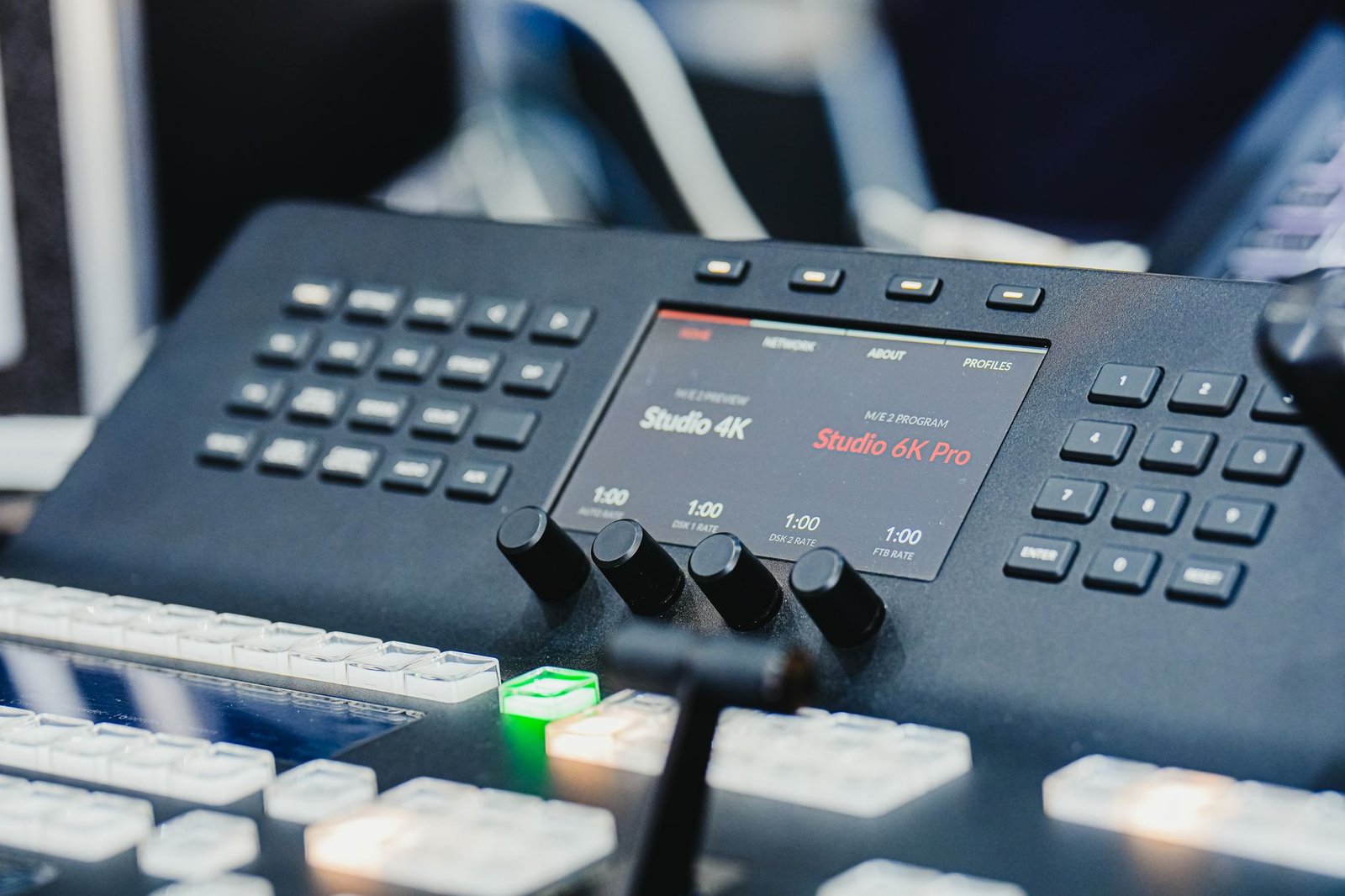
Executing broadcast-grade AV and video capture at WebX in Tokyo requires navigating strict Japanese radio compliance, venue constraints at The Prince Park Tower, and fast multi-format delivery schedules. Hosting over 15,000 attendees, 250+ sponsors, and international keynote speakers, Asia's premier Web3 conference demands flawless technical execution. Whether deploying multi-camera stage setups, establishing dedicated live-streaming pipelines, or managing rapid social video edits for immediate global distribution, international teams face acute local logistical hurdles. From MIC frequency certifications to dedicated fiber line provisioning, standard western event playbooks fail without localized operational infrastructure. This technical guide outlines the exact hardware specifications, crew configurations, and capture protocols necessary to deliver tier-one event coverage at WebX Tokyo without costly production delays or regulatory enforcement issues.
Venue AV Infrastructure and Fiber Routing at The Prince Park Tower Tokyo
The Prince Park Tower Tokyo provides ballroom infrastructure with significant acoustic and cable-routing limitations that require custom hardware patches. The Grand Ballroom spans 2,374 square meters with an 8-meter ceiling height, accommodating over 2,000 seated attendees across primary keynote sessions. In-house venue audio relies on dispersed ceiling arrays designed for corporate banquets rather than high-spl conference production. Production teams must deploy line-array towers alongside point-source front fills to achieve clean 85 dB speech intelligibility across the entire hall. Running SDI or SMPTE hybrid fiber across transit halls requires floor-trenching approvals from venue engineers at least 45 days prior to load-in. For isolated breakout tracks, setting up localized Dante audio networks eliminates cable runs while delivering 24-bit 48kHz multi-track feeds directly into primary production switchers, safeguarding master multi-cam feeds from signal interference and hall latency.
Navigating Japanese Telecommunications and MIC Wireless Compliance
Operating wireless microphones and video transmitters at WebX requires strict adherence to Japan's Ministry of Internal Affairs and Communications (MIC) Technical Regulations Conformity Certification. Operating standard UHF wireless bands (470–698 MHz) commonly used across North America and Europe is strictly illegal in Japan and incurs severe administrative fines. Foreign crews must utilize certified Japanese A-Band (710–806 MHz, requiring licensed coordination) or digital B-Band (806–810 MHz) transmission systems verified with the Giteki mark. For high-bandwidth wireless camera links like Teradek systems, teams must deploy 5 GHz units specifically restricted to indoor DFS frequencies or switch to certified 60 GHz microwave solutions. At Alesia RSVP, our Tokyo operational units utilize pre-cleared, local hardware packages paired with bonded cellular systems leveraging local NTT Docomo and SoftBank SIM cards to maintain stable 1080p60 feeds without risking spectrum interference during high-density keynote hours.
Multi-Camera Broadcast Engineering and Live Stream Redundancy
Broadcasting keynotes from WebX to global audiences demands a dual-redundant hardware pipeline delivering sub-second latency across international distribution networks. Stage engineering requires a four-camera configuration: two front-of-house telephoto long lenses capturing tight speaker framing, one wide master camera tracking stage graphics, and an active robotic PTZ or gimbal rig for dynamic crowd reactions. Signal distribution relies on a 12G-SDI baseband architecture running through an ATEM Constellation switcher, backed by a mirrored secondary unit running hot via an automatic failover switch. Live streams must route through dual hardware encoders, outputting simultaneous SRT and RTMP streams over independent physical ISPs—a dedicated 1 Gbps symmetrical venue fiber drop paired with a bonded cellular array. According to live broadcast metrics from Cointelegraph, webcasts maintaining zero downtime experience 42% higher retention rates among institutional audiences monitoring major protocol announcements.
Fast-Turnaround Social Sizzle Reels and Post-Production Protocols
Executing 4-to-6 hour sizzle reel turnarounds at WebX requires an on-site post-production hub operating parallel data ingest and editorial workflows. With 200+ global brands competing for visibility during Tokyo Web3 week, marketing teams cannot wait 72 hours for conference recap assets to hit social channels. Camera operators capture log footage using dual-slot recording to maintain an on-site 3-2-1 backup protocol immediately upon card handover. Dedicated DIT stations offload media via 40 Gbps Thunderbolt arrays to localized NAS storage, allowing editors to cut 9:16 vertical reels and 16:9 recap edits simultaneously. For comprehensive regional context on producing fast-turnaround content, examine our breakdown of aftermovie production for Tokyo summits. Having produced over 200 events across 30 countries, Alesia RSVP structures ingest matrices that deliver fully color-graded, audio-mastered 60-second social assets directly to CMOs before the evening networking mixers even conclude.
VIP Speaker Interviews and On-Site Podcast Studio Architecture
Constructing an isolated, broadcast-grade interview studio inside the convention center demands modular acoustic isolation capable of mitigating 75 dB ambient floor noise. Exhibition floors at WebX generate immense acoustic bleed from surrounding sponsor booths and foot traffic, making open-mic podcasting impossible. We construct hard-walled pop-up interview booths utilizing heavy multi-layer acoustic baffling combined with tight cardioid dynamic microphones like the Shure SM7B, rejecting off-axis floor hum entirely. Visual setups deploy a three-point soft LED lighting rig balanced at 5600K to combat venue halogen spill, paired with two cinema bodies shooting shallow depth of field. This production setup enables executive teams to conduct 15-minute fireside interviews with key industry founders, generating premium long-form video podcasts, executive soundbites, and modular social cuts that maximize corporate brand equity long after the physical Tokyo summit concludes.
Frequently Asked Questions
What are the main regulatory challenges when bringing AV equipment into Japan for WebX?
Importing AV equipment into Japan requires compliance with Carnet customs procedures and strict Ministry of Internal Affairs and Communications (MIC) regulations. Standard Western UHF wireless microphones and non-certified wireless video transmitters violate Japanese radio law. Uncertified gear lacking the official Giteki mark cannot legally transmit inside venues like The Prince Park Tower. Event teams must either coordinate temporary frequency licenses through local authorized bodies months in advance or hire local production agencies providing pre-certified equipment. Sourcing verified local gear prevents airport customs delays, equipment confiscation, and disruptive on-site regulatory shutdowns during event proceedings.
Can conference organizers rely entirely on The Prince Park Tower's in-house AV systems?
In-house AV systems at The Prince Park Tower are insufficient for complex multi-stage international conferences. The venue's installed sound systems are engineered primarily for corporate banquets and speech amplification, lacking the dynamic range, acoustic separation, and sub-bass reinforcement required for modern tech keynotes and energetic stage walkouts. Furthermore, in-house video switching rarely supports complex multi-camera 4K recording chains, hardware ISO tracking, or dedicated redundant streaming pipelines. Professional organizers must bring in third-party AV production providers to supply stage trussing, professional line-array sound systems, high-lumen laser projectors, and external broadcast-grade switching architecture to ensure professional delivery.
What internet infrastructure is needed for zero-latency live streaming from WebX Tokyo?
Zero-latency streaming requires a dedicated symmetrical fiber connection of at least 1 Gbps, isolated entirely from attendee Wi-Fi networks. Conference production teams must deploy two completely redundant ISP pathways to guarantee uninterrupted live broadcasting. The primary line should route uncompressed video through an SRT or RTMP hardware encoder directly to CDNs, while a secondary backup runs through a bonded cellular array using local NTT Docomo and SoftBank networks. Incorporating enterprise-grade hardware firewalls and managed network switches prevents packet loss, stabilizes bitrate fluctuations, and maintains consistent 1080p60 delivery even during peak venue network usage periods.
How quickly can sizzle reels and social video clips be delivered on-site at WebX?
On-site editorial teams deliver edited social video clips within 4 to 6 hours of stage presentation completion. Achieving this rapid turnaround requires an integrated DIT and editorial workflow operating directly from the event venue. Camera operators deliver physical media cards to the mobile editing suite every 90 minutes. Editors instantly pull pre-logged selects into standardized timeline templates containing corporate motion graphics, color profiles, and licensed audio tracks. By maintaining dedicated on-site video editors, marketing directors receive polished 9:16 vertical cuts for immediate posting while global keynote announcements are actively trending across digital social media channels.
What is the recommended timeline to book AV production crews for WebX Tokyo?
Securing qualified bilingual AV production crews for WebX Tokyo requires booking 4 to 6 months before the conference date. Tokyo experiences high corporate event density during late summer, which creates severe equipment shortages and limits the availability of tier-one bilingual technical directors, broadcast camera operators, and sound engineers. Furthermore, securing venue permits for custom stage rigging, trenching cable runs, and obtaining radio frequency coordination approvals from Japanese authorities requires strict 60-to-90-day administrative lead times. Initiating production agreements well in advance ensures access to top-tier hardware inventories and compliant technical personnel.
Browse our global event calendar at alesiarsvp.com/events to plan your team's next international summit production.
Frequently Asked Questions
What are the main regulatory challenges when bringing AV equipment into Japan for WebX?
Importing AV equipment into Japan requires compliance with Carnet customs procedures and strict Ministry of Internal Affairs and Communications (MIC) regulations. Standard Western UHF wireless microphones and non-certified wireless video transmitters violate Japanese radio law. Uncertified gear lacking the official Giteki mark cannot legally transmit inside venues like The Prince Park Tower. Event teams must either coordinate temporary frequency licenses through local authorized bodies months in advance or hire local production agencies providing pre-certified equipment. Sourcing verified local gear prevents airport customs delays, equipment confiscation, and disruptive on-site regulatory shutdowns during event proceedings.
Can conference organizers rely entirely on The Prince Park Tower's in-house AV systems?
In-house AV systems at The Prince Park Tower are insufficient for complex multi-stage international conferences. The venue's installed sound systems are engineered primarily for corporate banquets and speech amplification, lacking the dynamic range, acoustic separation, and sub-bass reinforcement required for modern tech keynotes and energetic stage walkouts. Furthermore, in-house video switching rarely supports complex multi-camera 4K recording chains, hardware ISO tracking, or dedicated redundant streaming pipelines. Professional organizers must bring in third-party AV production providers to supply stage trussing, professional line-array sound systems, high-lumen laser projectors, and external broadcast-grade switching architecture to ensure professional delivery.
What internet infrastructure is needed for zero-latency live streaming from WebX Tokyo?
Zero-latency streaming requires a dedicated symmetrical fiber connection of at least 1 Gbps, isolated entirely from attendee Wi-Fi networks. Conference production teams must deploy two completely redundant ISP pathways to guarantee uninterrupted live broadcasting. The primary line should route uncompressed video through an SRT or RTMP hardware encoder directly to CDNs, while a secondary backup runs through a bonded cellular array using local NTT Docomo and SoftBank networks. Incorporating enterprise-grade hardware firewalls and managed network switches prevents packet loss, stabilizes bitrate fluctuations, and maintains consistent 1080p60 delivery even during peak venue network usage periods.
How quickly can sizzle reels and social video clips be delivered on-site at WebX?
On-site editorial teams deliver edited social video clips within 4 to 6 hours of stage presentation completion. Achieving this rapid turnaround requires an integrated DIT and editorial workflow operating directly from the event venue. Camera operators deliver physical media cards to the mobile editing suite every 90 minutes. Editors instantly pull pre-logged selects into standardized timeline templates containing corporate motion graphics, color profiles, and licensed audio tracks. By maintaining dedicated on-site video editors, marketing directors receive polished 9:16 vertical cuts for immediate posting while global keynote announcements are actively trending across digital social media channels.
What is the recommended timeline to book AV production crews for WebX Tokyo?
Securing qualified bilingual AV production crews for WebX Tokyo requires booking 4 to 6 months before the conference date. Tokyo experiences high corporate event density during late summer, which creates severe equipment shortages and limits the availability of tier-one bilingual technical directors, broadcast camera operators, and sound engineers. Furthermore, securing venue permits for custom stage rigging, trenching cable runs, and obtaining radio frequency coordination approvals from Japanese authorities requires strict 60-to-90-day administrative lead times. Initiating production agreements well in advance ensures access to top-tier hardware inventories and compliant technical personnel.