
Wellness Hospitality: The New ROI for B2B Events
Wellness Hospitality: The New ROI for B2B Events
Wellness is no longer a luxury retreat add-on; it is a core expectation for the modern professional attendee in the high-stakes world of B2B events.
How is wellness hospitality reshaping the B2B event experience?
The era of the 'exhausting' business trip is over. For decades, the corporate summit was a gauntlet of stale pastries, fluorescent lighting, and chronic sleep deprivation. Today, that model is a liability. In an industry where decision-makers are increasingly health-conscious, the hospitality sector is undergoing a structural shift. Brands like Novotel are moving away from the 'luxury bubble' of wellness and into an operating model called 'Longevity Everyday.' This isn't about an occasional spa treatment; it’s about embedding supportive choices into the ordinary rhythms of a stay.
For B2B event professionals, this shift is critical. When attendees are well-rested, properly nourished, and mentally sharp, the quality of networking and information retention improves. Research suggests that U.S. travelers spent $258 billion on wellness-focused travel last year, yet much of this has been gated behind premium price points. By bringing longevity practices into mid-market hospitality, the industry is democratizing high-performance environments. This means that a standard corporate event in London can now provide the same biological support previously reserved for executive retreats in the Swiss Alps.
This evolution changes the fundamental value proposition of a venue. Event planners are no longer just looking for square footage and AV capabilities; they are looking for environments that sustain human energy. The 'Longevity Everyday' approach focuses on small, high-impact decisions: the availability of high-quality sleep, lighter meal options that prevent the afternoon slump, and architectural designs that encourage movement. For a marketing director or a VP of Events, selecting a venue that prioritizes these factors is a strategic move to ensure their audience remains engaged throughout a three-day summit.
Why should corporate event planners prioritize 'longevity' over traditional luxury?
Traditional luxury is often synonymous with indulgence—heavy gala dinners, late-night open bars, and sedentary activities. Longevity, however, focuses on sustained performance. In the context of a high-stakes conference, longevity is a better metric for success than opulence. If your attendees leave your event feeling depleted, the brand association is negative. If they leave feeling energized and capable, you have created a lasting positive impact. This is particularly relevant in the current wellness hospitality trends on BizBash, where the focus has shifted toward biological optimization.
Corporate decision-makers are athletes of the boardroom. They expect their environments to reflect their personal commitment to health. When a conference ignores these needs, it creates friction. Integrating wellness into the core of the event reduces this friction. This involves more than just adding a yoga session to the agenda. it requires a holistic look at the event flow. It means ensuring that the catering is designed for cognitive function, that the lighting mimics natural circadian rhythms, and that the schedule allows for recovery.
By prioritizing longevity, planners are essentially de-risking their events. A healthy attendee is a focused attendee. This focus translates directly into better lead generation, more meaningful partnerships, and higher satisfaction scores. As hospitality brands like Novotel scale these practices across hundreds of locations, the expectation for wellness will become the baseline, not the exception. Planners who fail to adapt will find themselves struggling to attract top-tier talent and speakers who are increasingly protective of their physical and mental bandwidth.
How can visual storytelling showcase a brand’s commitment to attendee well-being?
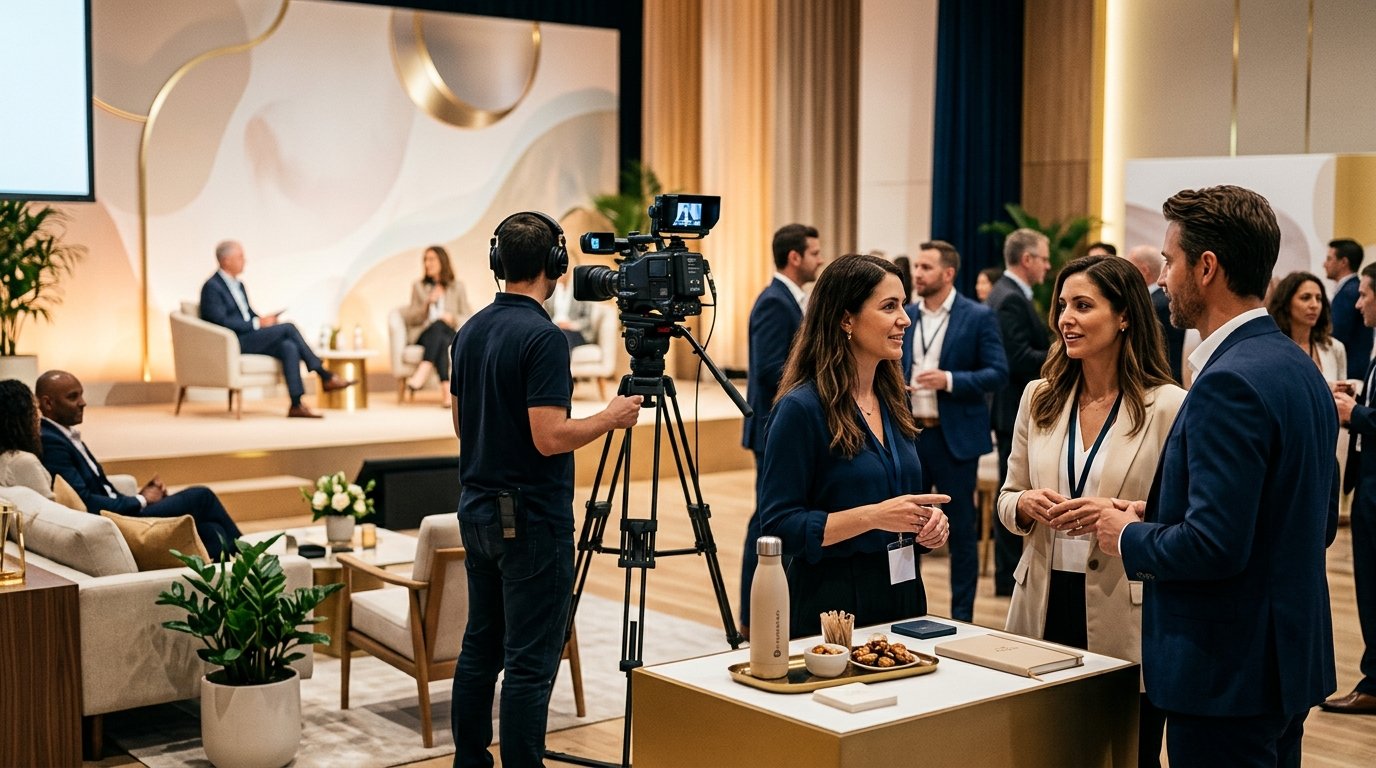
As a premium visual agency, Alesia RSVP sees firsthand how the aesthetic of corporate events is changing. We are no longer just capturing rows of people sitting in dark rooms. The most successful B2B events we document are those that harness natural light, open spaces, and active networking. Visual storytelling is the most effective way to communicate a brand's commitment to attendee well-being before the next event even begins. High-end photography and video production should capture the vitality of the experience—the vibrant colors of healthy catering, the energy of a movement-based breakout session, and the genuine engagement of well-rested delegates.
Capturing this 'Longevity Everyday' lifestyle requires a shift in editorial perspective. Instead of static podium shots, we focus on the human element. We look for the moments of 'active rest' and high-energy interaction that define modern professional gatherings. This content resonates deeply with modern B2B audiences because it feels authentic and aspirational. When a prospective attendee sees a recap video that emphasizes a balanced, high-performance environment, they are more likely to commit their time to that event.
Alesia RSVP specializes in documenting these shifts from static networking to high-energy, health-conscious corporate experiences. By using magazine-quality editorial photography and documentary-style video, we help brands demonstrate that they value their attendees' time and health. This isn't just about 'looking good'; it’s about proving that your event brand is aligned with the values of the modern executive. In a world of digital noise, these visual cues of quality and care are what make an event stand out in a crowded calendar.
What are the best ways to integrate wellness into multi-day business conferences?
The integration of wellness must be seamless to be effective. It shouldn't feel like a distraction from the business at hand. Start with the 'Longevity Everyday' mindset: make the healthy choice the easiest choice. This begins with the venue selection. Prioritize hotels and convention centers that have already embedded these practices into their operating models. Ensure that the physical environment supports the mental load of the conference. This includes everything from air quality and acoustics to the availability of quiet zones for deep work and recovery.
Secondly, rethink the agenda. The tradition of 90-minute keynote sessions without a break is biologically counterproductive. Implement 'micro-breaks' that encourage movement or brief periods of mindfulness. Use these transitions as opportunities for content creation. For example, a quick interview in a well-lit, green space can provide excellent social media fodder while giving the speaker and the audience a change of scenery. This approach is gaining traction in LinkedIn discussions on event industry wellness, where professionals are advocating for more humane event structures.
Finally, draw on the expertise of your AV and production partners to enhance the atmosphere. Lighting design is a powerful tool for managing attendee energy levels. Use warmer tones for evening networking and brighter, cooler lights for morning sessions. At Alesia RSVP, we often advise clients on how to synchronize their visual documentation with these environmental cues to capture the true energy and focus of the event.
Frequently Asked Questions
Qu'est-ce que le modèle Longevity Everyday ?
C'est un modèle opérationnel hôtelier qui intègre des choix sains (sommeil, nutrition, mouvement) dans la routine quotidienne du séjour, plutôt que de les proposer comme des options de luxe isolées.
Comment le wellness impacte-t-il le ROI d'un événement ?
En améliorant la concentration et l'énergie des participants, le wellness favorise de meilleures interactions, une mémorisation accrue des messages de marque et une satisfaction globale supérieure.
Le RGPD s'applique-t-il aux activités wellness en événementiel ?
Oui, dès que vous collectez des données personnelles ou de santé (via des apps de fitness ou des préférences alimentaires), le respect du RGPD est obligatoire pour protéger la vie privée des participants en Europe.