
Women’s Sports & The New Era of Brand Storytelling
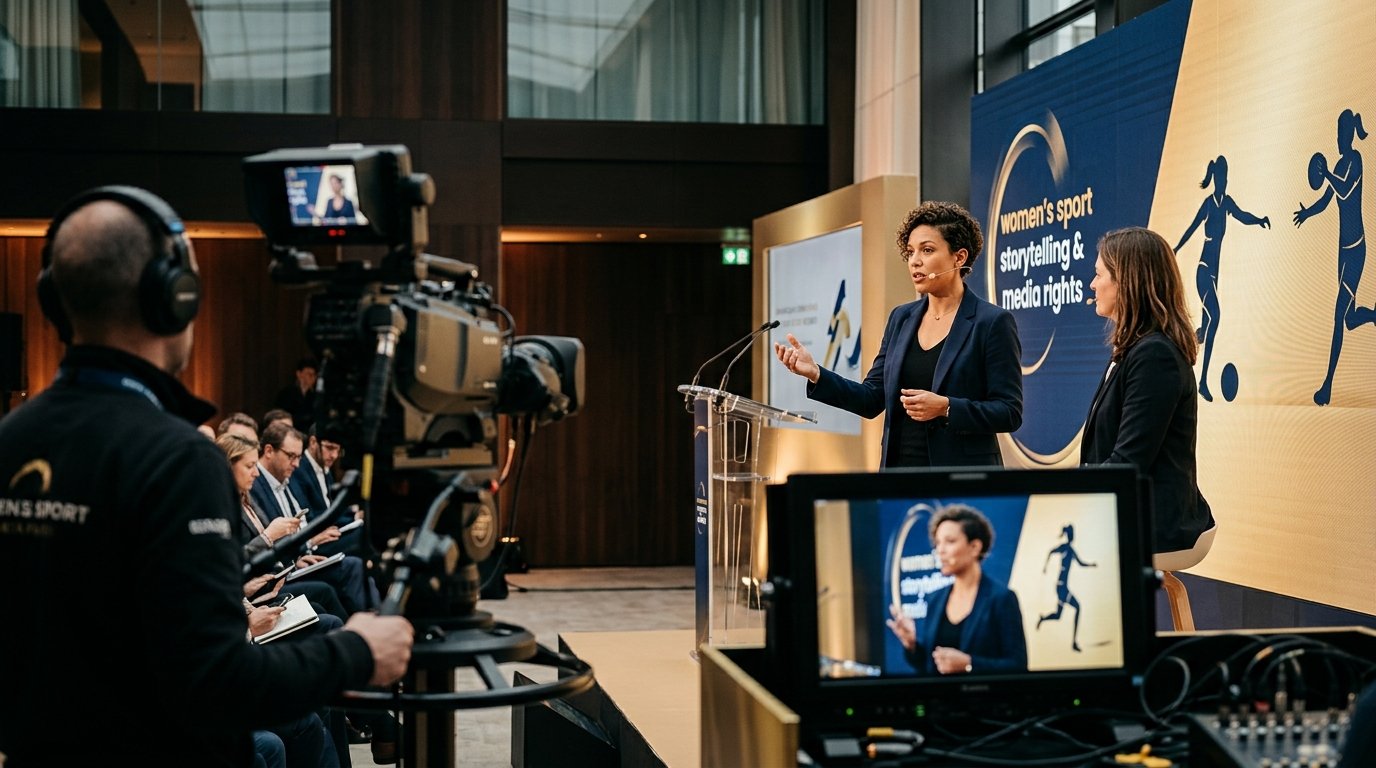
Women’s Sports & The New Era of Brand Storytelling
The rise of women’s sports isn’t just a win for the scoreboard; it’s a masterclass in how premium storytelling is redefining brand partnerships.
How is storytelling transforming brand partnerships in women's sports?
The rise of women’s sports isn’t just a win for the scoreboard; it’s a masterclass in how premium storytelling and ‘shoulder programming’ are redefining high-stakes brand partnerships. For decades, the sports industry operated on a strictly transactional model where visibility was the only currency. This usually manifested as a logo on a jersey or a 30-second spot during a halftime show. Today, that model is obsolete. Corporate decision-makers who overlook the shift toward athlete-led, narrative-driven content are missing the most significant evolution in event marketing since the advent of social media. In recent industry forums, including discussions surrounding the strategic roadmap for Brandweek, industry leaders highlighted a pivotal truth: women athletes are not just phenomenal competitors, they are extraordinary storytellers. Sherry Pitkofsky, SVP of marketing at Scripps Sports, noted that while viewership is booming, the real engagement happens through 'consistent access.' This goes beyond the live broadcast. It encompasses the podcasts, the documentaries, and the social-first snippets that humanize the struggle and the triumph.
For a brand, this represents an opportunity to move from being a mere sponsor to being a patron of a narrative. This is the new playbook: engagement isn't bought through impressions; it is earned through authenticity. We are seeing a move away from the 'big game' focus toward a 365-day content cycle. This shift is critical for corporate brands because it proves that audiences will follow high-quality, long-form stories if they are produced with the same rigor as the event itself. The metrics are changing from reach to resonance, and the storytelling is the engine driving that ROI. To achieve this, brands must look at the athlete—or the corporate speaker—as the central protagonist in a larger saga. This means investing in the 'pre-game' build-up and the 'post-game' analysis with equal intensity. The narrative arc of a season, or a fiscal year, provides multiple touchpoints that a single event cannot match. By focusing on the journey rather than just the destination, brands create a sustainable emotional connection that survives long after the final whistle or the closing keynote. This evolution requires a departure from traditional advertising logic; it demands an editorial mindset where the brand serves as the facilitator of a story the audience is already desperate to hear.
Why is 'shoulder programming' the secret weapon for modern event engagement?
In the context of high-stakes events, 'shoulder programming' refers to all the content that exists around the primary event—the interviews, the behind-the-scenes footage, the deep-dive panels, and the preparatory journeys. As noted in recent industry trends, this content is no longer a secondary consideration; it is the primary vehicle for brand integration. Women's sports have mastered this because they had to. Without the historic broadcast budgets of men's leagues, they leaned into social-first narratives and athlete-led shows like 'Beyond the Curve.' This approach has created a blueprint for every corporate event. Why settle for a single highlight reel when you can produce a multi-episode podcast series on-site? The shoulder programming is the connective tissue between the brand's values and the audience's interests. It allows for a deeper level of nuance that a 60-minute keynote simply cannot provide.
For event directors, this means shifting the budget from 'static' elements like oversized signage toward 'dynamic' assets like on-site content studios. The goal is to create an ecosystem where the event serves as the source material for months of high-value digital content. When a brand facilitates these stories, they aren't just advertising; they are providing value to the community. This builds a level of trust that traditional advertising cannot touch. If your event strategy doesn't include a dedicated plan for capturing these peripheral narratives, you are effectively ignoring the most valuable data points your speakers and attendees provide. Imagine a tech summit where the 'shoulder content' includes a series of 'walk-and-talk' interviews with developers, or a financial conference that produces a daily 'market wrap' from the exhibition floor. These are the assets that drive year-round engagement. By utilizing the downtime between main sessions to capture raw, authentic insights, brands can maintain a constant presence in their audience's feed. This strategy transforms a three-day event into a perpetual content engine, ensuring that the brand remains top-of-mind long after the physical venue has been cleared. The focus shifts from 'what happened on stage' to 'what the community is talking about,' creating a more inclusive and interactive brand experience.
How can corporate brands apply the women's sports playbook to B2B events?
B2B summits and corporate conferences often suffer from a 'one-and-done' mentality. The event happens, a recap video is posted, and the conversation dies. By applying the women's sports playbook, marketing directors can transform a single summit in a city like London or Dubai into a year-long content engine. The key is to treat your speakers like the athletes of your industry. Their insights are the 'game-winning plays,' and your brand's role is to provide the platform for those insights to be shared. This is reflected in the growing professional discourse where experts are debating the convergence of sports marketing and corporate identity. For example, a fintech summit shouldn't just record the panels; it should host a dedicated podcast studio in the networking lounge to capture raw, unscripted reactions from the C-suite.
Look at how our work at Nos evenements showcases this transition. We don't just 'cover' the event; we curate the narrative. The same-day delivery of editorial-grade photography and cinematic highlight reels allows brands to strike while the iron is hot, mirroring the immediate social media impact of a viral sports moment. This requires a shift in mindset from 'logistics' to 'production.' Your event is a media property. Once you accept this, the opportunities for brand partnerships expand exponentially. Sponsors no longer want their logo on a lanyard; they want to be the 'presenting partner' of a high-value video series featuring the top voices in the industry. This is how you justify the premium spend on international events in competitive markets. By integrating these storytelling techniques, B2B brands can break through the noise of traditional corporate communication. Instead of dry white papers, they can offer cinematic case studies. Instead of standard press releases, they can release 'behind-the-scenes' documentaries of their latest innovations. This approach humanizes the brand and positions it as a thought leader that understands the power of modern media. The goal is to make the audience feel like they are part of an exclusive club, gaining access to insights and personalities they couldn't find anywhere else. This is the essence of the women's sports model: building a community around shared values and compelling stories.
What role does premium cinematography play in athlete-led brand narratives?
As women's sports shift the focus from the game to the athlete's narrative, the quality of that visual output becomes the differentiator. High-stakes brand partnerships cannot survive on low-quality, amateur footage. To build authentic connections, the production value must match the prestige of the brand. This is where premium cinematography and editorial photography come into play. It’s about capturing the sweat, the tension, and the relief—the human elements that drive engagement. When corporate events utilize professional AV teams to capture these moments, they elevate the entire brand perception. Alesia RSVP positions itself as the essential partner for capturing this high-end 'shoulder content.' Whether it is a multi-camera live stream of a summit or a documentary-style aftermovie, the focus is always on the story, not just the technical execution.
Our Galerie Photo & Video demonstrates this philosophy in action: we treat corporate leaders with the same cinematic reverence that a filmmaker treats an Olympic champion. This level of production quality is the only way to cut through the noise in an era of content saturation. To win in the current landscape, brands must invest in visual storytelling that feels intentional, not incidental. The conclusion is clear: the future of event ROI lies in the ability to turn a physical gathering into a digital-first narrative asset. The playbook is written; now it’s time for corporate leaders to execute. Alesia RSVP provides the technical expertise and strategic vision to ensure that your event's story isn't just told, but remembered. High-quality visuals serve as the 'proof of prestige' for a brand. When a potential partner or client sees a beautifully shot, emotionally resonant video from your last event, they aren't just seeing a recap; they are seeing a brand that values excellence and attention to detail. This visual standard is what separates the industry leaders from the followers. By employing cinematic techniques—such as shallow depth of field, professional color grading, and dynamic sound design—we transform standard event footage into a compelling brand film. This investment in quality ensures that the content remains relevant and shareable for months, providing a much higher return on investment than ephemeral, low-quality social posts. In the end, the story is only as good as the medium used to tell it.
FAQ
What is 'shoulder programming' in the context of event content?
Shoulder programming refers to all the secondary content produced around a main event, such as behind-the-scenes footage, speaker interviews, and preparatory documentaries that build anticipation and extend engagement.
Why is high-end cinematography important for corporate events?
Premium production quality elevates the brand's prestige, ensures the content is shareable across high-end platforms, and captures the emotional nuances that drive audience trust and long-term ROI.
How can brands move from sponsorship to narrative partnership?
Brands can move beyond logos by funding and co-creating content series, podcasts, or documentaries that highlight the human stories and expertise within the event's community.
What can B2B events learn from women's sports marketing?
B2B events can adopt the athlete-led storytelling model, focusing on the personal journeys of industry experts and creating a 365-day content cycle rather than focusing solely on the event dates.
Frequently Asked Questions
What is 'shoulder programming' in the context of event content?
Shoulder programming refers to all the secondary content produced around a main event, such as behind-the-scenes footage, speaker interviews, and preparatory documentaries that build anticipation and extend engagement.
Why is high-end cinematography important for corporate events?
Premium production quality elevates the brand's prestige, ensures the content is shareable across high-end platforms, and captures the emotional nuances that drive audience trust and long-term ROI.
How can brands move from sponsorship to narrative partnership?
Brands can move beyond logos by funding and co-creating content series, podcasts, or documentaries that highlight the human stories and expertise within the event's community.
What can B2B events learn from women's sports marketing?
B2B events can adopt the athlete-led storytelling model, focusing on the personal journeys of industry experts and creating a 365-day content cycle rather than focusing solely on the event dates.