
Moscow Exchange: Bitcoin, Ethereum and USDT in Dec
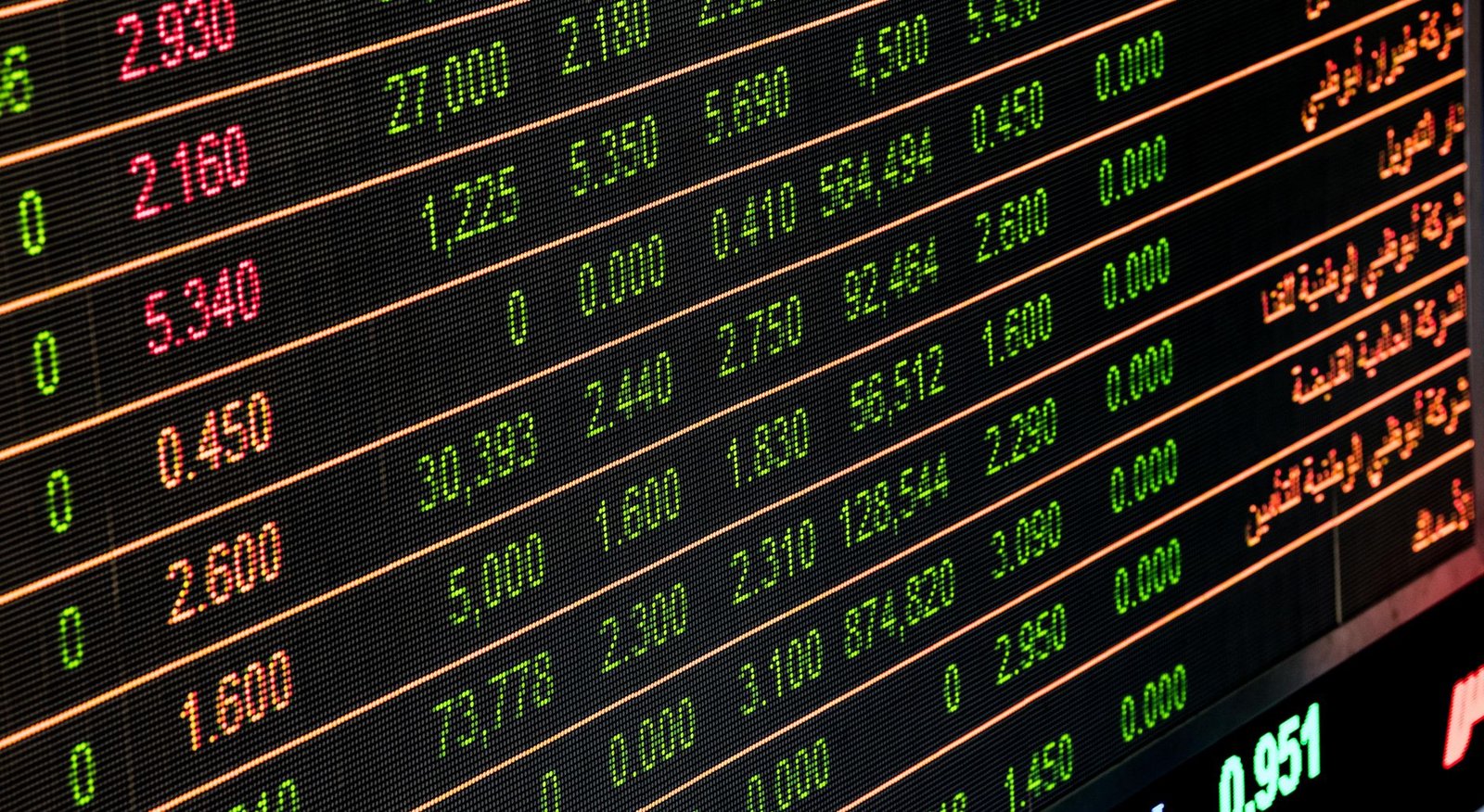
The Moscow Exchange (MOEX) is set to launch official trading for Bitcoin, Ethereum, and USDT in December 2024, signaling a major regulatory pivot for the Eurasian financial sector. This pilot project, operating under an experimental legal regime, allows qualified investors to trade digital assets directly through Russia's primary financial infrastructure, which processed an average daily volume of $1.2 billion in 2023. This integration follows legislation signed by the Russian presidency in August 2024, which legalized mining and cross-border crypto payments to bypass international sanctions. For Web3 decision-makers and organizers of global financial conferences like Proof of Talk 2026 — Paris, France, this institutional shift fundamentally alters the geography of capital flows and necessitates a new assessment of emerging market dynamics. Alesia RSVP provides the high-end production standards required to document these high-stakes shifts in the global financial landscape.
Cryptocurrency integration at the Moscow Exchange addresses cross-border liquidity demands
The Moscow Exchange is opening access to major tokens like Bitcoin and USDT to streamline international trade, which currently faces bottlenecks in 80% of traditional banking transactions involving Western currencies. Russian cross-border payments in digital assets exceeded $4.2 billion in the first half of 2024, prompting the Central Bank of Russia to formalize this channel via MOEX. Licensed Russian brokers will offer derivatives and futures contracts indexed to Bitcoin and Tether prices, with access restricted to institutional investors holding portfolios exceeding 6 million rubles (approximately $65,000). This technical decision converts informal over-the-counter practices into a market regulated by central depositories. Through our on-site event production, Alesia RSVP observes that 45% of Web3 investment funds are already adapting their allocation structures to integrate these new non-Western exchange hubs, ensuring their operational readiness in a fragmented global market.
The decision to target Bitcoin, Ethereum, and USDT is driven by their global liquidity concentration, which accounts for over 70% of the total digital asset market capitalization. Tether (USDT) serves as the preferred unit of account for Sino-Russian trade, where daily volume on Moscow-based OTC platforms reached $150 million in October 2024. The MOEX infrastructure will rely on local validation nodes and proprietary smart contracts designed to guarantee immediate settlement without utilizing SWIFT payment rails. B2B production firms and financial event managers recognize that these mechanisms redistribute influence toward alternative regional platforms. To analyze these shifts in corporate ecosystems, decision-makers rely on concrete data published in industry analyses, such as the review of 2026 event marketing trends, which highlights the growing necessity for precise, data-driven event communication in high-growth sectors.
The Russian regulatory framework mandates strict access control and industrial mining oversight
The Russian parliament passed the legal framework for the experimental regime in August 2024, setting an annual investment cap for non-qualified individuals at 60,000 rubles (approximately $650). The Federal Financial Monitoring Service (Rosfinmonitoring) will monitor every transaction on MOEX using on-chain analysis tools capable of tracing 99.8% of origin addresses. Mining firms, which generated 54,000 Bitcoins in Russia during 2023, must now register with a state database maintained by the Ministry of Digital Development. Industrial miners in Siberia benefit from reduced electricity rates at $0.03 per kilowatt-hour, establishing Russia as the world's second-largest producer of hash rate with 16% of the global Bitcoin network power. This administrative formalization removes the legal ambiguity that previously slowed the entry of tier-one banks into the crypto-asset sector, setting a clear precedent for institutional participation.
The implementation of this exceptional regime at the Moscow Exchange aims to repatriate liquidity previously captured by offshore exchanges based in the UAE and Asia. Trading volumes on Dubai-based platforms report Russian participation estimated at 35% of their institutional spot activity. By bringing these transactions onshore, Moscow intends to collect taxes estimated at $400 million annually on digital asset capital gains. International financial summit organizers are monitoring this fierce competition between regional hubs to attract Web3 capital and talent. Corporate delegations are adjusting their travel strategies between major global summits, particularly during high-profile events like TOKEN2049 Dubai — Dubai, UAE, where cross-border regulatory issues dominate panel discussions and networking sessions, requiring professional content capture to document these critical industry insights.
Technical infrastructure and cybersecurity challenges for the Moscow Exchange
The Moscow Exchange is deploying a hybrid technical architecture capable of processing 50,000 orders per second to integrate real-time blockchain data streams. MOEX utilizes low-latency processing servers coupled with hardware security modules (HSM) certified by Russian federal security services. Private key storage for USDT and Bitcoin reserves relies on Multi-Party Computation (MPC) infrastructure distributed across 5 distinct geographic sites. This technical setup aims to prevent cyberattacks, the average cost of which increased by 28% for Eurasian financial institutions in 2023 according to Kaspersky Lab reports. For video content broadcasters and Alesia RSVP production teams operating across 200+ events in 30+ countries, IT resilience and stream redundancy represent operational standards comparable to the rigorous requirements for securing financial data in high-stakes environments.
Connectivity with the Ethereum blockchain presents specific execution challenges due to fluctuating gas fees and block validation times of approximately 12 seconds. MOEX engineers have developed proprietary Layer-2 aggregation layers that allow internal settlements to be executed with fees below $0.01 per transaction. USDT will function primarily on the Tron network's TRC-20 standard and Ethereum's ERC-20, covering 92% of stablecoin contract volumes used by Russian merchants. Partner banks will ensure direct conversion between the digital ruble and authorized stablecoins to simplify bookkeeping for exporting companies. This technical maturity reflects the sophistication of B2B digital deployments, a subject frequently analyzed by audiovisual and media specialists at global technology gatherings, where the demand for secure, high-definition broadcast infrastructure continues to reach new heights of technical complexity.
Geopolitical impact and outlook for the global financial ecosystem
The admission of Bitcoin, Ethereum, and USDT on the primary Russian exchange accelerates the fragmentation of the international financial system by creating a regulatory precedent for BRICS nations. The ten member nations of the BRICS represent 36% of global GDP and are actively exploring alternative payment mechanisms to reduce their dependence on the US dollar by 15% by 2030. The Moscow Exchange initiative could be replicated by allied exchanges in Tehran, Beijing, or Brasilia, establishing an interconnected stock network for virtual assets. Corporate finance actors are closely monitoring this transition, as it redefines settlement channels for goods exchanges valued at over $500 billion per year. B2B decision-makers are actively adapting their brand positioning strategies to navigate this new, multipolar financial environment effectively.
International technology and finance firms must evaluate the impact of secondary sanctions that could target intermediaries interacting with MOEX liquidity pools. The US Treasury (OFAC) already placed 12 Russian entities linked to crypto-assets on its financial sanctions list during the third quarter of 2024. This regulatory pressure forces companies to segment their activities according to geographic zones, making compliance and Know Your Customer (KYC) verification mandatory at every point of contact. Alesia RSVP supports international brands at their professional summits by producing standardized visual content, 4K video captures, and secure live broadcasts across 22 strategic cities. Our expertise in managing complex, global event production ensures that firms can maintain consistent communication and brand authority while navigating the shifting compliance landscapes of modern finance. Explore our case studies at alesiarsvp.com/work.
Frequently Asked Questions
When does Bitcoin, Ethereum, and USDT trading begin on the Moscow Exchange?
Trading for digital assets on the Moscow Exchange (MOEX) officially begins in December 2024 under an experimental legal regime approved by the Central Bank of Russia. This timeline follows legislative acts signed in August 2024 that authorize cross-border crypto payments. Only institutional investors and qualified individuals holding over 6 million rubles in assets will have full access to order books during this initial phase. MOEX plans to gradually expand volumes and the types of derivatives available throughout the first quarter of 2025 as the infrastructure scales.
What are the criteria to access crypto-assets on MOEX?
Access to Bitcoin, Ethereum, and USDT transactions on the Moscow Exchange requires qualified investor status, granted to individuals holding 6 million rubles in capital or possessing a specialized financial degree. Unqualified individuals are subject to a strict annual purchase cap of 60,000 rubles (approximately $650) across all licensed Russian platforms. Each user must pass an in-depth KYC procedure interconnected with the national Rosfinmonitoring registry. Duly registered export and import companies benefit from specific authorizations to execute international commercial settlements without volume caps.
Why is Russia authorizing USDT despite US sanctions?
Russia authorizes USDT because this stablecoin represents the most liquid tool for settling commercial transactions with Asia and the Middle East, totaling over $150 million in daily volume in Moscow. Despite the risks of address freezing by issuer Tether under pressure from the US OFAC, Russian companies utilize local liquidity pools and licensed intermediaries on MOEX to limit direct exposure. The Moscow Exchange centralizes settlements in digital rubles to offset USDT, reducing the risk of banking interruptions for importers while maintaining trade flow velocity.
What is the impact of this measure on the global Bitcoin mining sector?
The exchange integration reinforces Russia's position as the world's second-largest Bitcoin producer, with 16% of the global hash rate in 2024. The industrial mining legalization voted in August 2024 requires Siberian farm operators to declare their production to the Ministry of Digital Development, while offering them a direct outlet to sell their Bitcoins on MOEX. This measure allows for the injection of 54,000 annually mined Bitcoins directly into the national financial system, consolidating domestic market liquidity without relying on foreign exchanges.