
How to Withdraw Fiat and Crypto From Binance
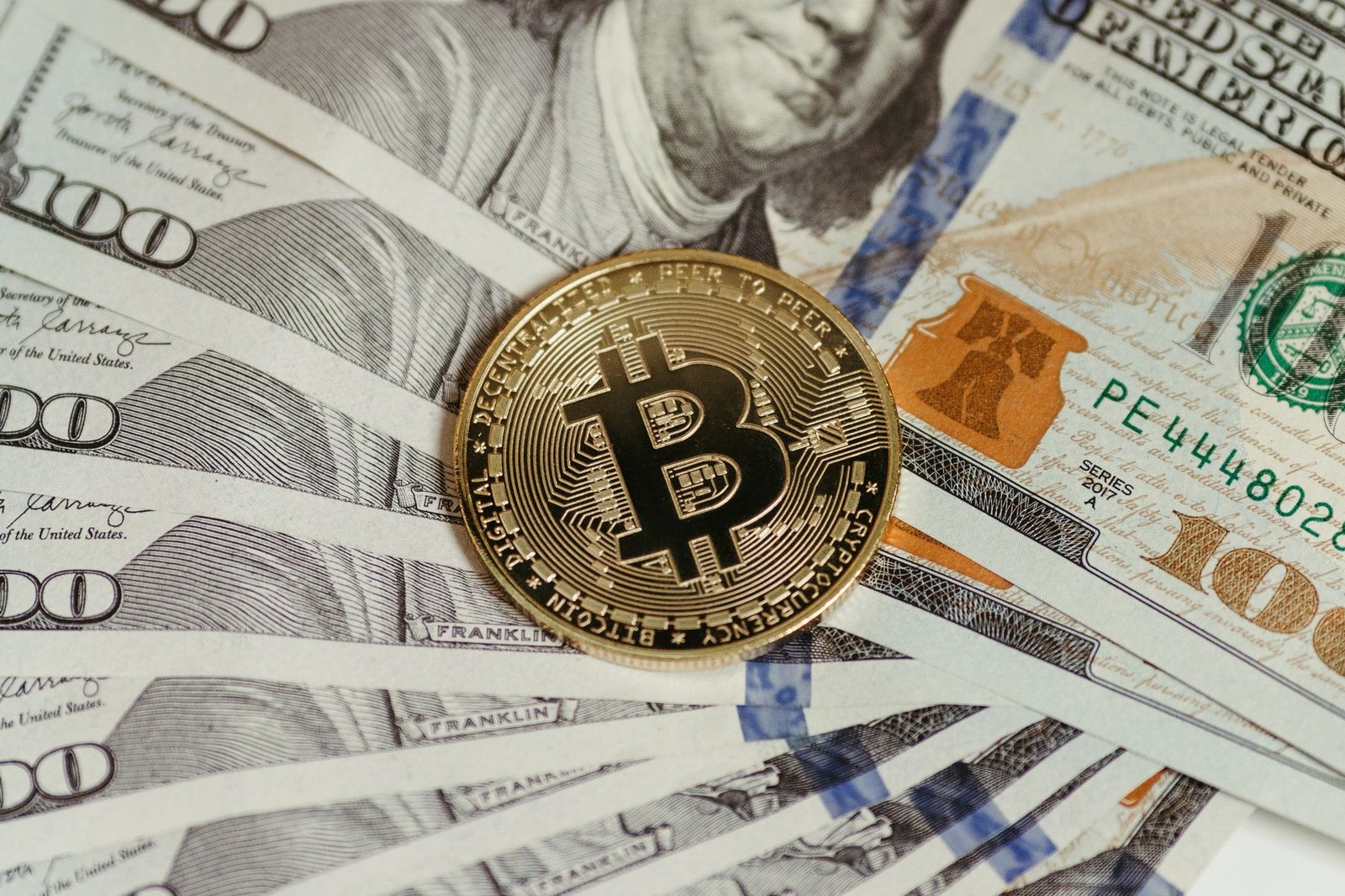
Withdrawing digital assets and fiat currency from Binance requires strict adherence to technical and banking protocols. Across 200+ B2B events produced in 30+ countries for top Web3 teams, Alesia RSVP frequently observes institutional treasury management during major industry summits. Converting euros to a traditional bank account via SEPA transfer or moving tokens on-chain to cold storage demands multi-layer security verification. Processing times range from 5 minutes for fast blockchain token transfers to 72 hours for interbank settlements. Understanding fee structures, daily withdrawal limits capped at 100 BTC for fully verified accounts, and compliance guidelines protects corporate liquidity while preventing unnecessary account freezes during execution.
Withdrawing Fiat Currency to a SEPA Bank Account
Executing a SEPA bank transfer requires navigating to the 'Withdraw Fiat' tab within the Binance Spot wallet interface. Standard SEPA withdrawals carry a fixed transaction fee of €1.00 per operation, accompanied by a €50,000 daily withdrawal limit for standard KYC-verified accounts. Account owners must ensure the receiving bank account name matches the registered Binance account name exactly; failure to align these names results in an automatic payment rejection with a €5.00 return fee. Processing takes 24 to 72 business hours depending on the destination bank protocol. For time-sensitive corporate operations, SEPA Instant settles transfers in under 30 minutes to supported European financial institutions. Enforcing two-factor authentication (2FA) via hardware YubiKeys or TOTP applications remains mandatory to sign and authorize outgoing payment batches across corporate treasury accounts.
Transferring Cryptocurrency to an External Wallet
Transferring crypto assets to external cold wallets like Ledger, Trezor, or MetaMask originates directly within the 'Withdraw Crypto' portal on Binance. Network selection represents the most critical operational variable: transferring USDT over the Ethereum network (ERC-20) incurs an average fee between $3.00 and $15.00, whereas routing via BNB Smart Chain (BEP-20) reduces this cost to $0.30 per transaction. Selecting an incompatible network or inputting an incorrect public key causes irreversible token loss on the blockchain. Corporate treasury protocols must enforce a mandatory address verification step by transmitting a minimal $10 test transaction prior to executing full balances. Operational teams attending events like Proof of Talk 2026 systematically deploy this double-validation procedure to eliminate human error and protect corporate capital during live execution cycles.
Preventing Account Locks and Meeting KYC Requirements
Administrative withdrawal delays stem from identity mismatches or automated security flags triggered after recent security setting updates in 98% of cases. Changing passwords, resetting 2FA authentication, or updating linked phone numbers triggers an automatic 24-hour withdrawal freeze across all outbound channels. European MiCA regulations enforce mandatory compliance checks on outbound transfers exceeding €1,000 destined for non-custodial self-hosted wallets. Submitting proof of address issued within 3 months alongside government-issued identity documents resolves account flags within 48 hours via dedicated institutional compliance channels. For additional corporate strategy and operational insights, review our analysis on 2026 event marketing trends to optimize enterprise workflows.
Optimizing Network Fees and Managing Withdrawal Limits
Reducing transaction costs requires deliberate trading pair selection and strategically choosing underlying transport blockchains prior to submitting withdrawal requests. Swapping assets into low-fee tokens such as Solana or Polygon before transferring saves up to 85% on network overhead compared to native Ethereum transfers. Binance operates a tiered VIP fee schedule based on 30-day trading volume, scaling down spot commissions from 0.10% to under 0.02% for institutional accounts trading over $1,000,000 monthly. Scheduling high-volume asset movements during off-peak gas hours on Ethereum—specifically weekends between 02:00 and 06:00 UTC—reduces gas costs in Gwei by half, delivering maximum capital efficiency for B2B financial operations.
Securing Operations With 3-2-1 Backup Protocols
Securing corporate asset withdrawals relies on deploying the 3-2-1 backup protocol across core IT infrastructure and treasury management software. Enabling Binance Address Whitelisting prevents asset transfers to unapproved external destinations, enforcing a mandatory 48-hour delay before any newly registered wallet address becomes active for withdrawals. This control protects corporate treasuries against session hijacking and phishing vectors. Combining address whitelisting with multi-signature authorization ensures no single transaction exceeding $10,000 can execute without approvals from multiple designated signers. Implementing these rigorous standards protects capital integrity across complex Web3 delivery workflows and digital asset settlement operations worldwide.
Explore our case studies at alesiarsvp.com/work
Frequently Asked Questions
How long does a SEPA transfer take to withdraw euros from Binance?
Standard SEPA bank transfers from Binance to European bank accounts require 24 to 72 business hours to settle completely. Accounts utilizing SEPA Instant finalize euro transfers in under 30 minutes, provided the receiving financial institution supports the instant payment network protocol. Binance charges a fixed fee of €1.00 per standard SEPA withdrawal. To prevent payment rejections and automated return charges of €5.00, the receiving bank account holder name must match the identity verified during Binance KYC checks exactly.
What fees apply when withdrawing Tether (USDT) from Binance?
USDT withdrawal fees depend entirely on the specific blockchain network selected during order execution on Binance. Routing transfers over the Ethereum network (ERC-20) costs between 3 and 15 USDT depending on real-time network congestion. Selecting Tron (TRC-20) or BNB Smart Chain (BEP-20) reduces processing fees down to 1.00 USDT or 0.30 USDT per transaction. Treasuries must verify that destination wallet addresses support the precise network chosen, as selecting an incompatible blockchain results in permanent fund loss.
Why is my Binance withdrawal temporarily locked for 24 hours?
Binance automatically triggers a 24-hour withdrawal lock whenever key security parameters change on an account. Password resets, two-factor authentication (2FA) adjustments, or phone number updates activate this security hold across all outgoing transfer channels. This automated safeguard prevents unauthorized asset transfers following sensitive account modifications. The withdrawal restriction lifts automatically exactly 24 hours after the security update completes, requiring no customer support ticket or manual approval process provided no additional security flags remain on the account.
Can you withdraw crypto from Binance without completing KYC verification?
No, executing fiat or cryptocurrency withdrawals on Binance without completing Level 1 KYC identity verification is completely impossible. Binance mandates identity verification across all global account tiers to remain fully compliant with international anti-money laundering regulations. Submitting a valid government-issued photo ID alongside completing live facial recognition checks unlocks standard daily withdrawal limits of €50,000 for fiat currencies and up to 100 BTC for cryptocurrency assets within 48 hours of initial verification submission.