
ETHMilan 2026 AV and Video Production Playbook
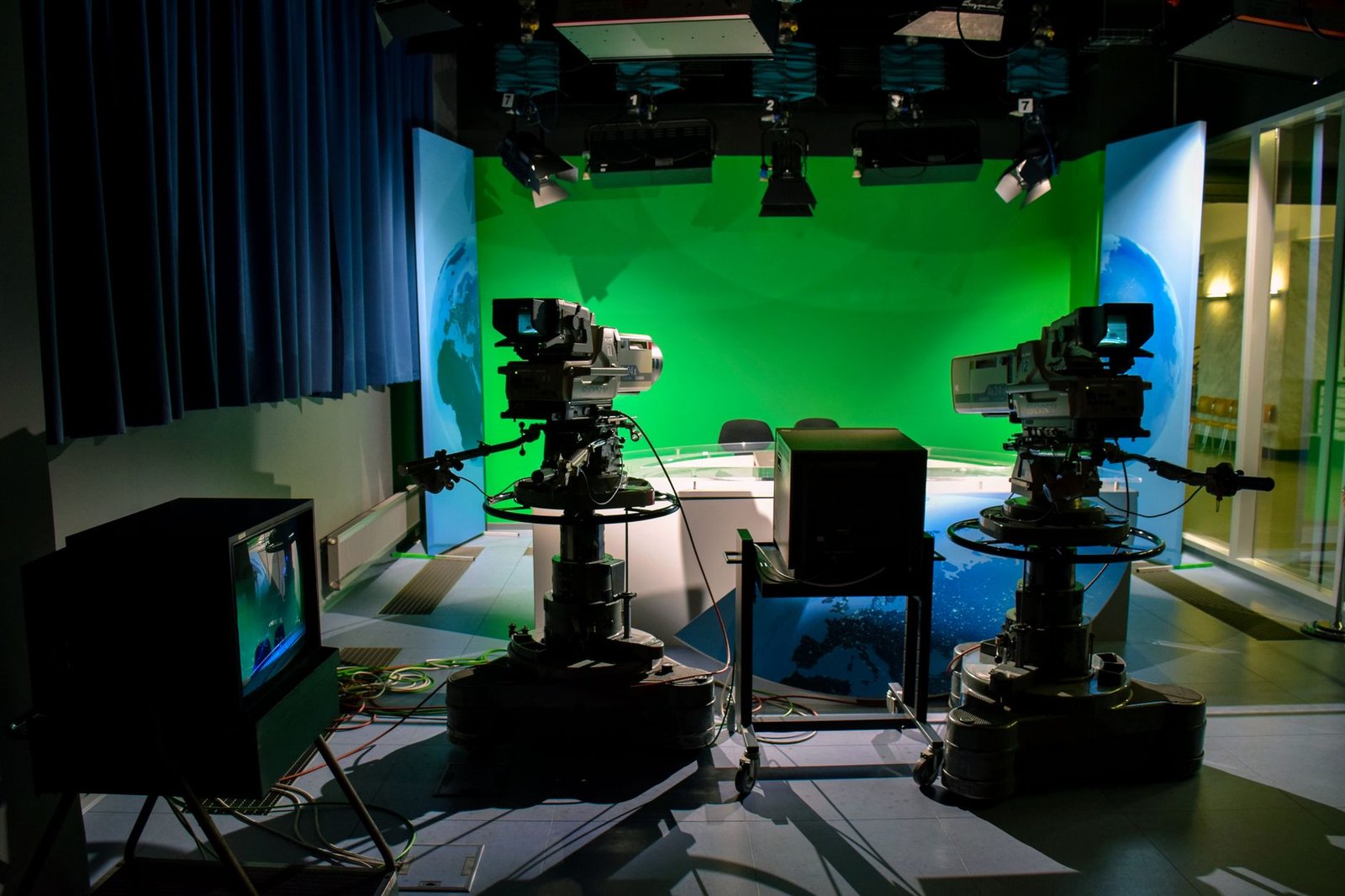
Milan's tech ecosystem hosts Web3 engineers, founders, and venture funds under tight venue constraints where standard production setups fail. Scaling technical video production and AV engineering for ETHMilan 2026 demands precise hardware deployment, redundant signal pathways, and aggressive delivery timelines. When hosting international protocol developers across historical industrial spaces in Lombardy, marketing directors cannot treat recording as an afterthought. At Alesia RSVP, our team has produced over 200 events across 30 countries and 22 operational cities, supporting Tier-1 clients including OKX, EY, and Taiko. This guide establishes the operational benchmarks, bandwidth guarantees, hardware specifications, and turnaround protocols required to broadcast, capture, and package high-fidelity media assets during Milan's flagship Ethereum conference.
Engineering AV Infrastructure in Milanese Industrial Venues
Milanese industrial venues like Superstudio Più or BASE Milano require dedicated 63A three-phase electrical distribution and localized rigging grids to prevent catastrophic voltage drops during multi-track tech presentations. When executing AV builds in post-industrial spaces across the Navigli or Tortona districts, concrete load-bearing beams and thick masonry frequently degrade standard wireless signals by up to 40%. Audio engineering mandates Dante-networked digital snake lines paired with Shure Axient Digital wireless microphones operating strictly within Italian frequency spectrum allocations (470–694 MHz). Visual displays should deploy minimum 2.6mm pixel pitch LED walls configured for 3,840 Hz refresh rates to eliminate stage flicker on camera sensors. Running redundant copper lines alongside primary SDI feeds guarantees that visual delivery remains uninterrupted if stage-side hardware encounters physical interference during heavy attendee traffic. These technical tolerances convert challenging architectural acoustics and legacy electrical grids into broadcast-ready stages for keynote speakers and technical workshops.
Low-Latency Live Streaming and Redundant Cellular Uplinks
Low-latency multi-platform streaming requires a dedicated symmetrical 100 Mbps uplink paired with bonded cellular hardware to guarantee 99.99% broadcast uptime. Municipal venue networks throughout Milan regularly experience severe bandwidth throttling during high-density developer conferences when hundreds of attendees initiate concurrent transactions and video uploads. To safeguard the primary live stream, production engineers run hardware encoders alongside Teradek bonded cellular systems aggregating four Italian SIMs across TIM and Vodafone networks. This architecture integrates a strict 3-2-1 backup protocol where primary RTMP and SRT feeds transmit to YouTube and decentralized platforms while local master files record directly to uncompressed ProRes SSDs. Reporting from CoinDesk highlights that protocol announcements lose up to 60% of their real-time engagement when live broadcasts stutter or drop audio frames. Establishing secondary fallback pipelines ensures immediate failover within 1.5 seconds if the primary venue fiber drops signal during critical developer keynotes.
On-Site Media Post-Production and Sizzle Delivery Timelines
On-site video editors must deliver high-impact sizzle reels within 4 to 6 hours to capture peak social momentum while keynotes trend across global timelines. Sponsoring brands and marketing leads require immediate visual proof to publish across X and LinkedIn while sessions remain active. At Alesia RSVP, our dedicated on-site DIT (Digital Imaging Technician) station ingests multi-cam footage via 10 Gbps local networks, running real-time color grading and proxy generation. For extended operational insights into technical event workflows, review our analysis on 2026 AV trends and immersive event production. The production team outputs 9:16 vertical edits within 180 minutes of major fireside chats, while delivering comprehensive 4K keynote archives within 24 to 72 hours post-event. By synchronizing audio stems with multi-cam switches, organizers avoid post-event editing bottlenecks and feed marketing channels while community sentiment remains at its highest volume.
Budget Modeling and Crew Allocation for Web3 Conferences in Lombardy
Technical AV and multi-track video capture at a mid-sized Italian conference requires a capital allocation between €18,000 and €48,000 depending on stage volume and broadcast scope. Single-stage operations supporting 400 attendees generally sit near the €18,000 mark, covering a three-camera switched feed, professional lighting rigs, and certified audio engineers. Multi-stage developer summits with live audience interaction, simultaneous interpretation, and on-site podcast booths scale toward €48,000 to account for expanded hardware redundancy and localized staffing regulations. In Italy, production budgets must account for local collective bargaining agreements, venue load-in fees, and safety certifications (certificato di conformità) required by Milanese fire safety marshals. Allocating at least 25% of the media production budget directly to audio engineering and redundant power distribution prevents avoidable failures that compromise sponsor deliverables and post-event replay quality across global developer networks.
Deploying On-Site Podcast Studios for Protocol Leadership
An on-site pop-up podcast studio converts conference downtime into 15 to 20 evergreen executive interviews with minimal disruption to speaker schedules. Setting up a sound-dampened mobile broadcast booth directly outside the main hall requires just 16 square meters of floor space and dedicated directional microphones like the Shure SM7B. Video capture utilizes a three-camera 4K cinema setup with fixed prime lenses, controlled softbox lighting, and instant ISO recording to dedicated Blackmagic hardware. Protocol teams and Tier-1 sponsors utilize these 20-minute rapid-fire interview blocks to discuss technical roadmaps, governance proposals, and ecosystem grant programs without fighting exhibition floor ambient noise. Editors transcode the synchronized audio-video package within 2 hours, supplying social media teams with clean audiograms, quote cards, and 1080p clips before speakers leave the venue.
Frequently Asked Questions
What upload bandwidth is required to live stream ETHMilan 2026 reliably?
Dedicated symmetrical 50 Mbps bandwidth is the absolute minimum baseline required for a stable single-stream 1080p60 transmission, while multi-stage broadcasting requires at least 100 Mbps symmetrical fiber. Shared venue Wi-Fi is entirely unsuitable because attendee mobile devices inevitably overwhelm local access points during major announcements. Production teams must mandate a hardwired connection isolated via a virtual local area network (VLAN) solely for the broadcast console. In addition, deploying Teradek bonded cellular hardware combining multiple SIM cards provides a seamless failover system if venue connectivity drops unexpectedly.
How quickly can sponsors receive edited video assets during the conference?
Four to six hours is the standard delivery window for preliminary highlight reels and high-impact vertical clips produced by on-site editing teams. Dedicated DIT stations ingest multi-cam cards directly from the stage floor, applying pre-built LUTs and motion graphic templates in real time. Sponsoring protocols receive optimized 9:16 vertical edits tailored for X and LinkedIn while stage discussions are still actively generating online conversation. Comprehensive 4K talk archives with mastered audio stems are delivered via cloud repositories within 24 to 72 hours following event closure.
What video production gear works best in Milan's historic event spaces?
Compact full-frame cinema cameras paired with wireless video transmitters provide the maneuverability and low-light performance required in historical Milanese venues. Thick stone walls and rigid architectural constraints often restrict cable paths, making Dante audio-over-IP networks and certified wireless video links practical necessities. Production crews should utilize LED lighting panels with high color rendering indexes (CRI 96+) running on localized battery stations if venue circuits cannot support high wattage draws. Digital audio consoles equipped with auto-mixing suppression effectively eliminate echo and reverberation caused by vaulted ceilings and industrial concrete surfaces.
How do local Italian labor regulations affect conference AV production schedules?
Italian labor laws enforce strict regulations regarding maximum daily working hours, mandatory rest periods, and safety compliance paperwork for audiovisual personnel. Event organizers must allocate adequate setup shifts spanning 24 to 48 hours prior to door opening to prevent overtime penalties and crew fatigue. All technical rigging and high-voltage power installations require certification from licensed local electricians to comply with Lombardy municipal safety standards. Engaging an experienced production partner ensures full adherence to local labor contracts, venue access windows, and municipal permitting without risking schedule delays or regulatory fines on show day.
Production Partnerships for Milan
Executing flawless technical AV and video coverage across Milan requires local logistical precision, certified hardware configurations, and immediate content turnarounds. See our Web3 event coverage at alesiarsvp.com/ethcc.
Frequently Asked Questions
What upload bandwidth is required to live stream ETHMilan 2026 reliably?
Dedicated symmetrical 50 Mbps bandwidth is the absolute minimum baseline required for a stable single-stream 1080p60 transmission, while multi-stage broadcasting requires at least 100 Mbps symmetrical fiber. Shared venue Wi-Fi is entirely unsuitable because attendee mobile devices inevitably overwhelm local access points during major announcements. Production teams must mandate a hardwired connection isolated via a virtual local area network (VLAN) solely for the broadcast console. In addition, deploying Teradek bonded cellular hardware combining multiple SIM cards provides a seamless failover system if venue connectivity drops unexpectedly.
How quickly can sponsors receive edited video assets during the conference?
Four to six hours is the standard delivery window for preliminary highlight reels and high-impact vertical clips produced by on-site editing teams. Dedicated DIT stations ingest multi-cam cards directly from the stage floor, applying pre-built LUTs and motion graphic templates in real time. Sponsoring protocols receive optimized 9:16 vertical edits tailored for X and LinkedIn while stage discussions are still actively generating online conversation. Comprehensive 4K talk archives with mastered audio stems are delivered via cloud repositories within 24 to 72 hours following event closure.
What video production gear works best in Milan's historic event spaces?
Compact full-frame cinema cameras paired with wireless video transmitters provide the maneuverability and low-light performance required in historical Milanese venues. Thick stone walls and rigid architectural constraints often restrict cable paths, making Dante audio-over-IP networks and certified wireless video links practical necessities. Production crews should utilize LED lighting panels with high color rendering indexes (CRI 96+) running on localized battery stations if venue circuits cannot support high wattage draws. Digital audio consoles equipped with auto-mixing suppression effectively eliminate echo and reverberation caused by vaulted ceilings and industrial concrete surfaces.
How do local Italian labor regulations affect conference AV production schedules?
Italian labor laws enforce strict regulations regarding maximum daily working hours, mandatory rest periods, and safety compliance paperwork for audiovisual personnel. Event organizers must allocate adequate setup shifts spanning 24 to 48 hours prior to door opening to prevent overtime penalties and crew fatigue. All technical rigging and high-voltage power installations require certification from licensed local electricians to comply with Lombardy municipal safety standards. Engaging an experienced production partner ensures full adherence to local labor contracts, venue access windows, and municipal permitting without risking schedule delays or regulatory fines on show day.