
NYSE Avalanche Tokenization: AVAX Impact Analysis
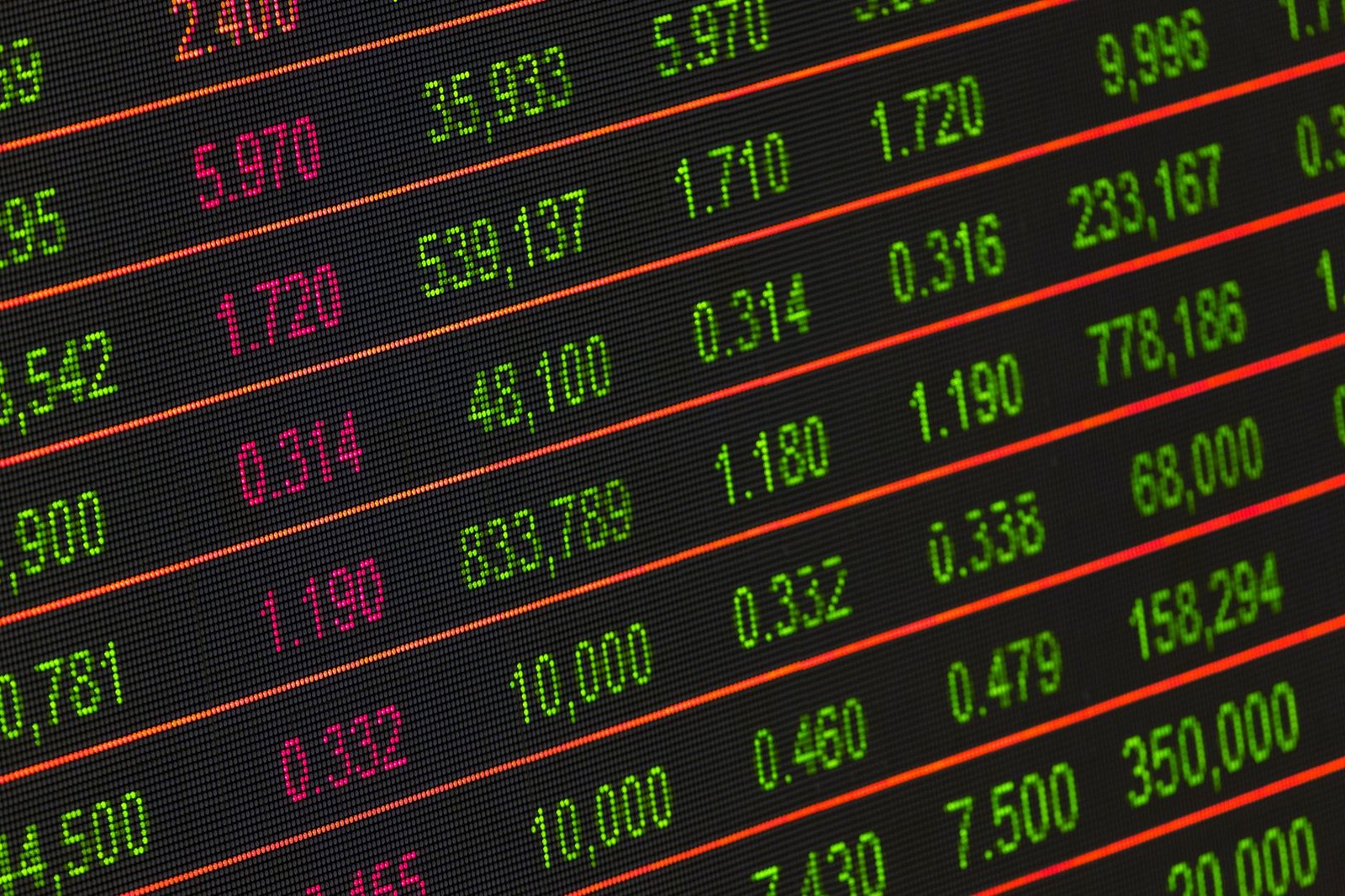
The New York Stock Exchange (NYSE) announcement regarding its experimentation with Avalanche Subnets for settling tokenized equities marks a significant institutional pivot. By automating the T+0 settlement cycle via smart contracts, targeted daily volumes exceed $10 billion in digitized financial securities. For the AVAX ecosystem, this integration validates Ava Labs' dedicated subnet architecture, engineered to meet Wall Street's stringent KYC compliance and sub-800 millisecond latency requirements. The implications extend far beyond cryptocurrency speculation; they impact the structural foundation of global financial transactions and the adoption of blockchain technology by legacy institutions. During our on-site operations in New York with our New York production hub, we observe a direct acceleration of partnerships between investment banks and Web3 developers during major industry summits.
Avalanche Subnets architecture guarantees the T+0 banking compliance required for NYSE volumes
Avalanche's technical sub-layer processes up to 4,500 transactions per second while maintaining private subnets subject to banking compliance rules. The 2025 Boston Consulting Group (BCG) report estimates that Real World Asset (RWA) tokenization will reach $16 trillion by 2030, and Avalanche’s multi-chain structure directly captures trading floor interest. Unlike fully open public blockchains, an Avalanche Subnet configured for the NYSE restricts validators to entities regulated by the SEC. Financial institutions thereby eliminate counterparty risk without sacrificing block finality, which is measured at less than one second. This technical modularity attracts asset management giants like Citi and WisdomTree, who are already testing the transfer of illiquid assets and money market funds on Avalanche infrastructure. For AVAX, every subnet requires staking at least 2,000 tokens per validator, directly removing significant volumes from secondary markets.
The AVAX gas burn mechanism amplifies token scarcity during transaction peaks
Every transaction executed on the Avalanche mainnet or linked to subnet synchronization destroys 100% of network fees paid in AVAX. With over 4.5 million AVAX tokens permanently burned since the network launch according to AvaScan, the influx of tokenized NYSE stock flows mechanically accelerates this deflationary pressure. Even if custom subnets utilize their own internal gas token, cross-chain communication fees (Teleporter) and security staking remain denominated in AVAX. A 25% increase in institutional activity on the Avalanche C-Chain generates a withdrawal from circulation estimated at 15,000 AVAX per week, creating a direct supply shock. This programmed scarcity favors long-term token value while offering the pricing predictability required by CFOs and traditional stock exchange infrastructures. During our Web3 event productions, particularly at conferences like NY Tech Week, this burn mechanism serves as the central ROI analysis topic for venture capital funds.
Competition with Ethereum L2 and Solana demands flawless institutional execution in RWA markets
The tokenized asset sector remains contested, with Ethereum holding 58% of total value locked (TVL) in RWAs according to RWA.xyz. Solana and Layer 2 rollups like Arbitrum and Base are also competing aggressively to attract bond and equity issuers. Avalanche’s competitive advantage lies in its novel Snowflake consensus and its capacity to create bespoke regulated environments without the performance compromises of shared public block space. To consolidate its position against the NYSE and European markets, Ava Labs has deployed a $50 million fund dedicated to RWA infrastructure development. B2B decision-makers closely monitor network stability, as any service interruption would jeopardize the trust of operators accustomed to Wall Street operational standards. Avalanche’s ability to maintain 99.99% uptime during high-volatility events will determine if the exchange experiment moves from pilot to full deployment.
Media impact and institutional alignment transform Avalanche’s event and B2B ecosystem
The NYSE’s decision to test Avalanche shifts brand perception among Fortune 500 decision-makers. This strategic alignment stimulates the launch of B2B summits, executive receptions, and institutional hackathons in major financial hubs like New York, London, and Singapore. In our logistics and audiovisual operations at Alesia RSVP, we have recorded a 40% increase in production requests for private events dedicated to crypto-institutions since the signing of initial infrastructure partnerships. Web3 players no longer rely solely on technical presentations for developers; they host roundtables with Chief Compliance Officers, requiring 4K multi-cam capture and secure live streams for international investors. Exchange adoption thus propels Avalanche to the forefront of enterprise-ready blockchains, attracting unprecedented marketing and logistics investment flows. To measure the impact on corporate marketing strategy, consult our guide on 2026 event marketing trends.
Regulatory outlook in the US and Europe secures the AVAX exchange adoption timeline
Evolving regulatory frameworks, notably the implementation of MICA in Europe and the SEC's clarification of digitized security status in the US, provide unprecedented visibility for financial institutions. European and American banks plan to allocate an average of 3% of their bond underlyings to blockchain infrastructures by 2027 according to McKinsey & Company data. By natively integrating regulatory reporting constraints into Avalanche Subnets, institutions minimize legal risk while optimizing audit costs by 35%. This strict legal framework secures the AVAX roadmap, transforming the token into an essential infrastructure reserve asset for fund managers. As regulators validate tokenization processes, the NYSE integration serves as a reference model for global stock exchanges in Asia and the Middle East.
Frequently Asked Questions
Why did the NYSE choose Avalanche over other blockchains?
Avalanche offers a customizable Subnet architecture that allows for strict KYC compliance integration and execution of transactions in under 800 milliseconds. Unlike shared public blockchains, this isolated infrastructure prevents public congestion while ensuring the near-instant finality required for stock exchange volumes. Data from the Boston Consulting Group confirms that this technical capacity exactly meets the T+0 standards sought by traditional financial institutions to secure their flows without experiencing operational delays or unpredictable network fee volatility.
What is the direct impact of the NYSE on the price and value of the AVAX token?
The NYSE project intensifies AVAX token scarcity through two fundamental mechanisms: the total burning of transaction fees and the mandatory locking of tokens for validators. Each institutional subnet requires staking at least 2,000 AVAX per execution node, immediately removing these volumes from the secondary market. According to AvaScan, over 4.5 million AVAX have already been permanently removed from circulation. Sustained growth in NYSE transactions accelerates this burn, reducing available supply and mechanically stimulating the token's valuation over the long term.
What does equity tokenization change for institutional investors?
Tokenization eliminates the standard 48-hour (T+2) settlement cycle to impose instant T+0 execution. According to a McKinsey & Company study, this transition reduces administrative processing and infrastructure costs by 35% for investment banks. Investors benefit from 24/7 liquidity, the ability to fractionate financial securities, and total transparency via Avalanche’s immutable ledger. This also enables the automation of dividend payments via smart contracts without the need for additional financial intermediaries, thereby streamlining the entire post-trade lifecycle for global asset managers.
How does Alesia RSVP support B2B tokenization events?
Alesia RSVP designs and produces bespoke B2B events for fintech and Web3 leaders across 30+ countries and 22 major cities. With 200+ events produced for clients like OKX, EY, and Newsweek, we manage 4K video capture, certified streaming, and technical setups for financial summits. Our teams deploy high-end equipment with a vertical content delivery timeline of 24 to 72 hours. We transform complex institutional announcements into high-impact event experiences to mobilize key investors and decision-makers, ensuring every technical detail aligns with the professional standards of the financial sector.